International Competition
The three competition blocks are shaped by a curatorial principle of assembly rather than genre: films are grouped by internal resonance and the artistic logic of dialogue between them, not by predefined categories. Works are selected from an open call on FilmFreeway.
International Competition #1
90 min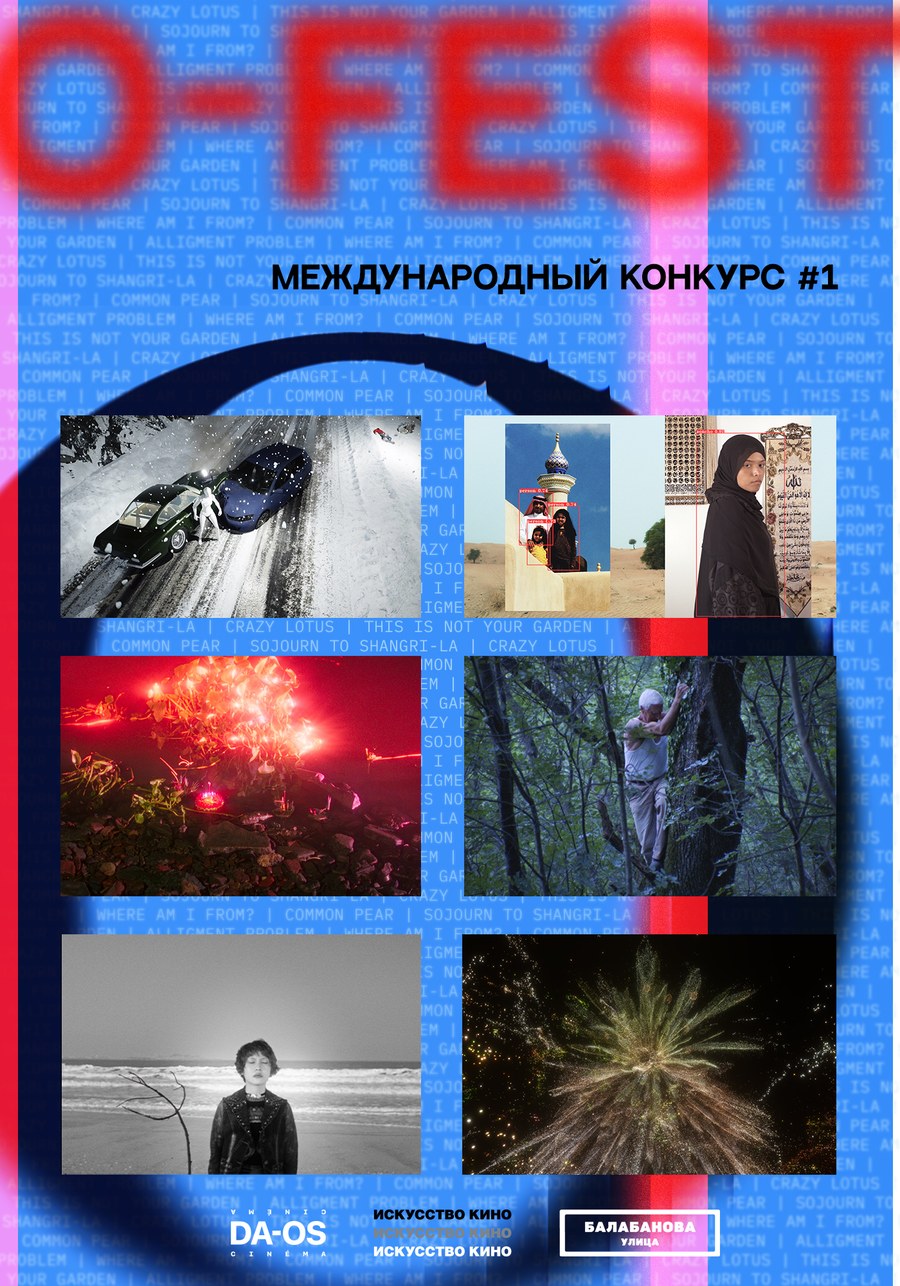
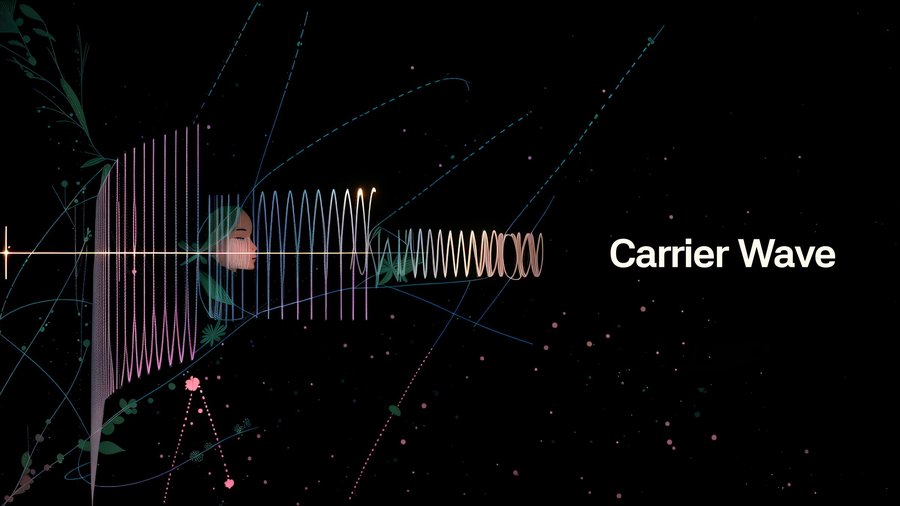
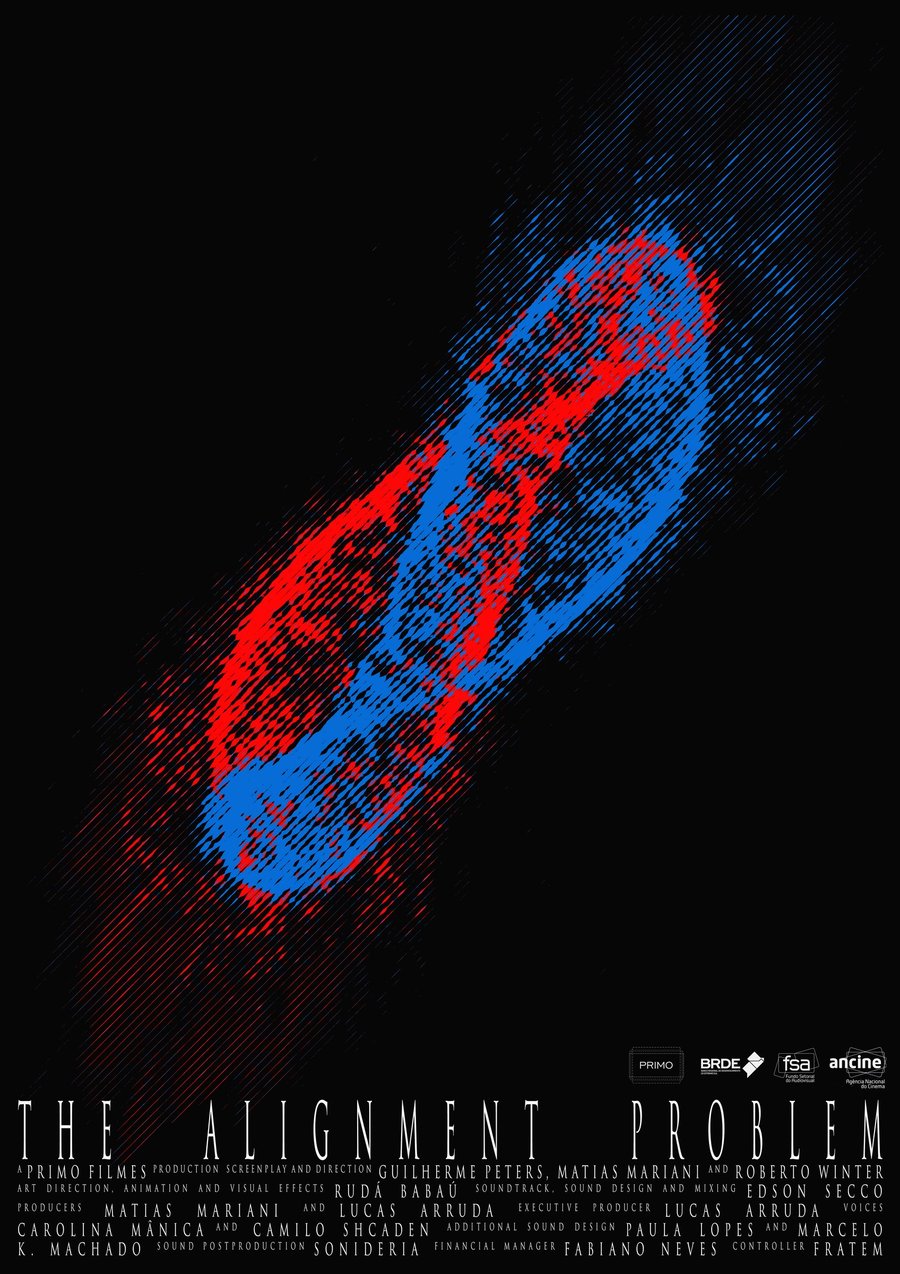
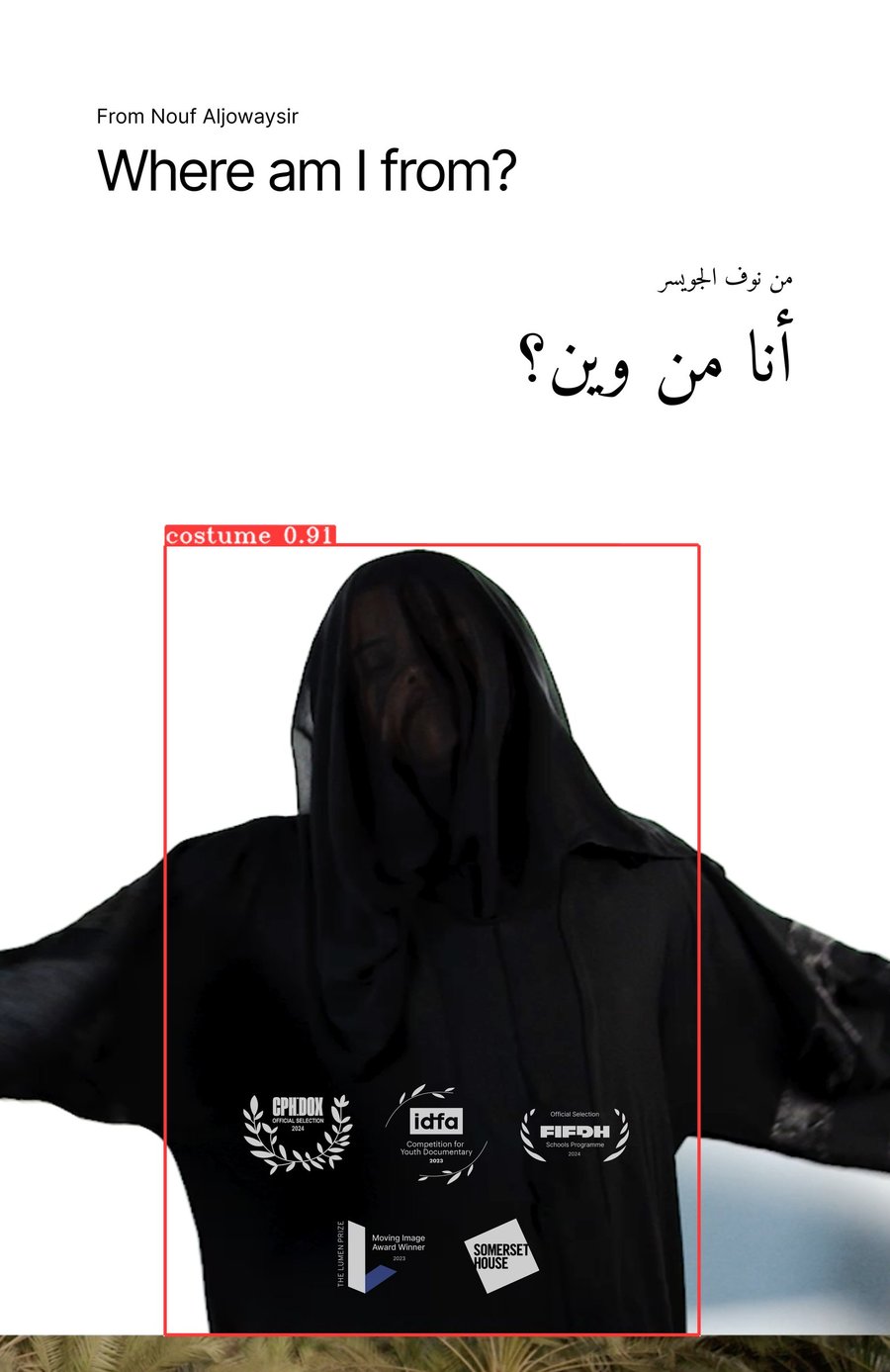
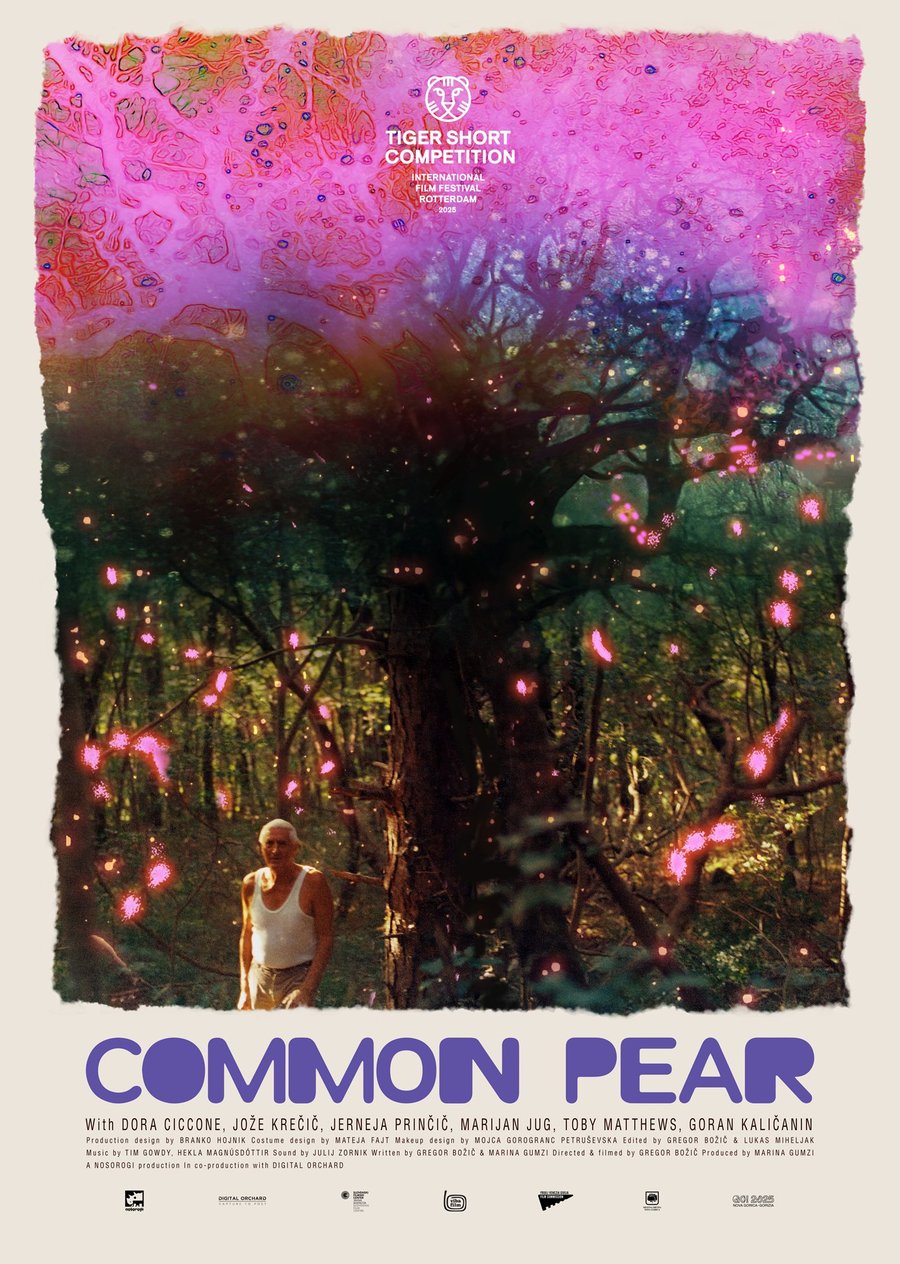
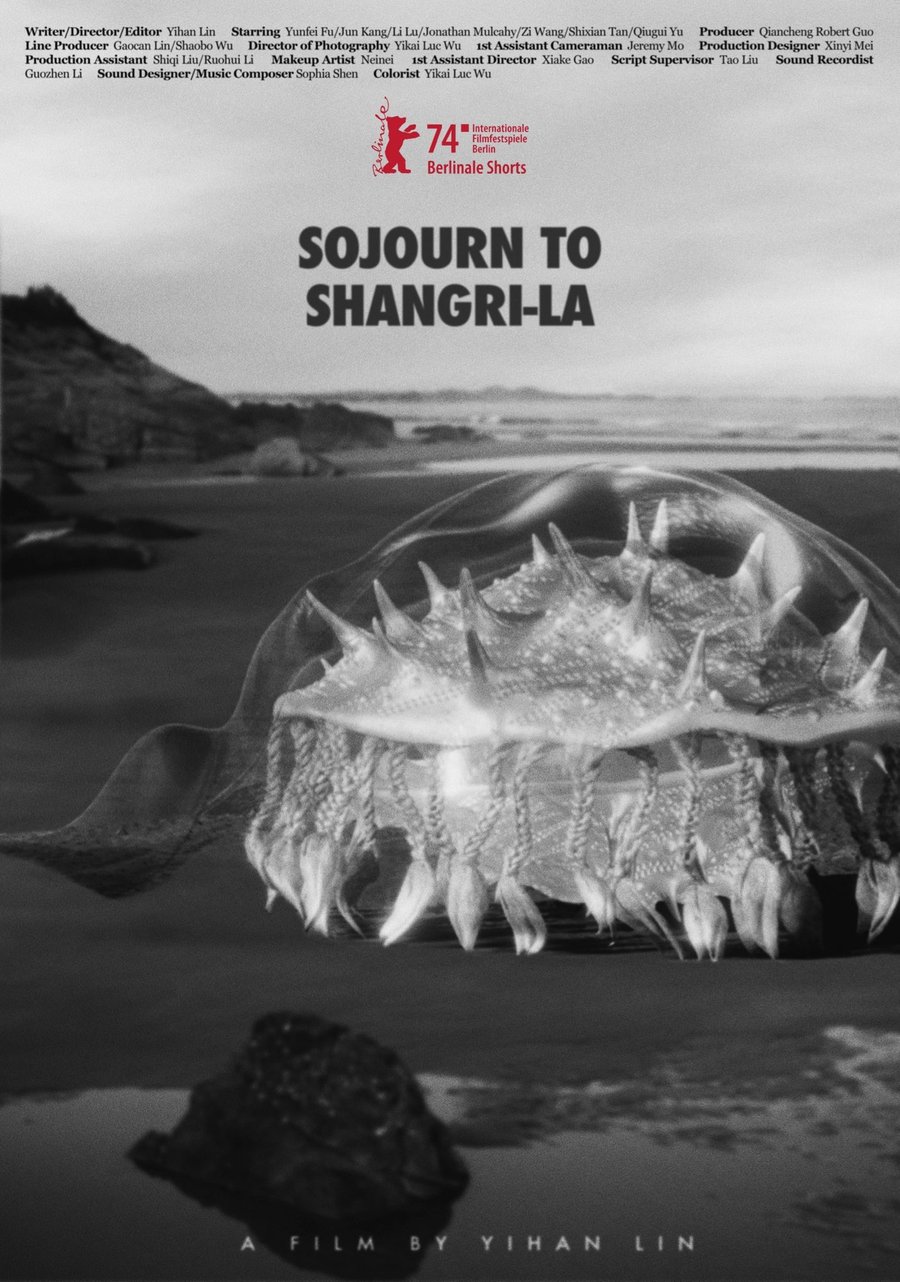
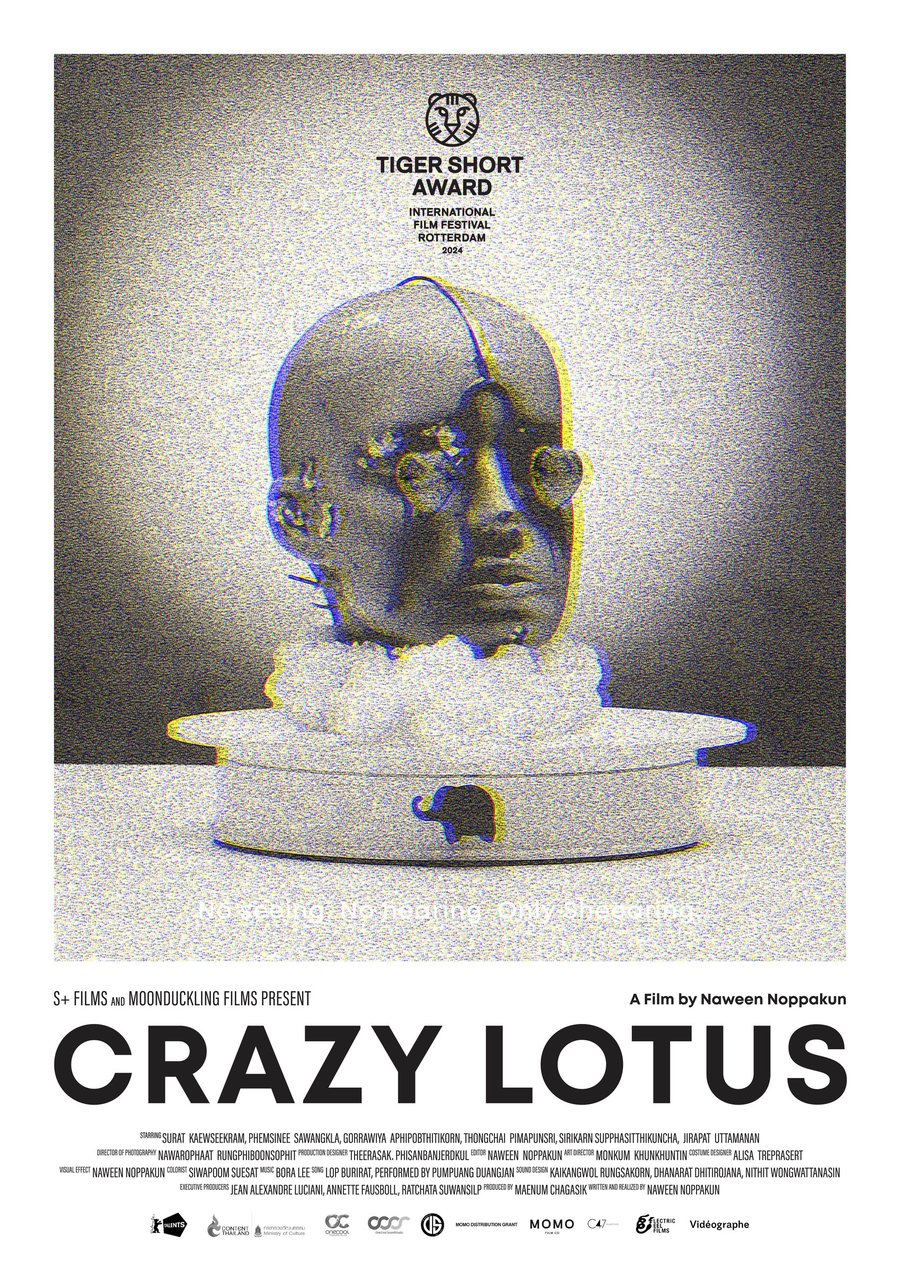
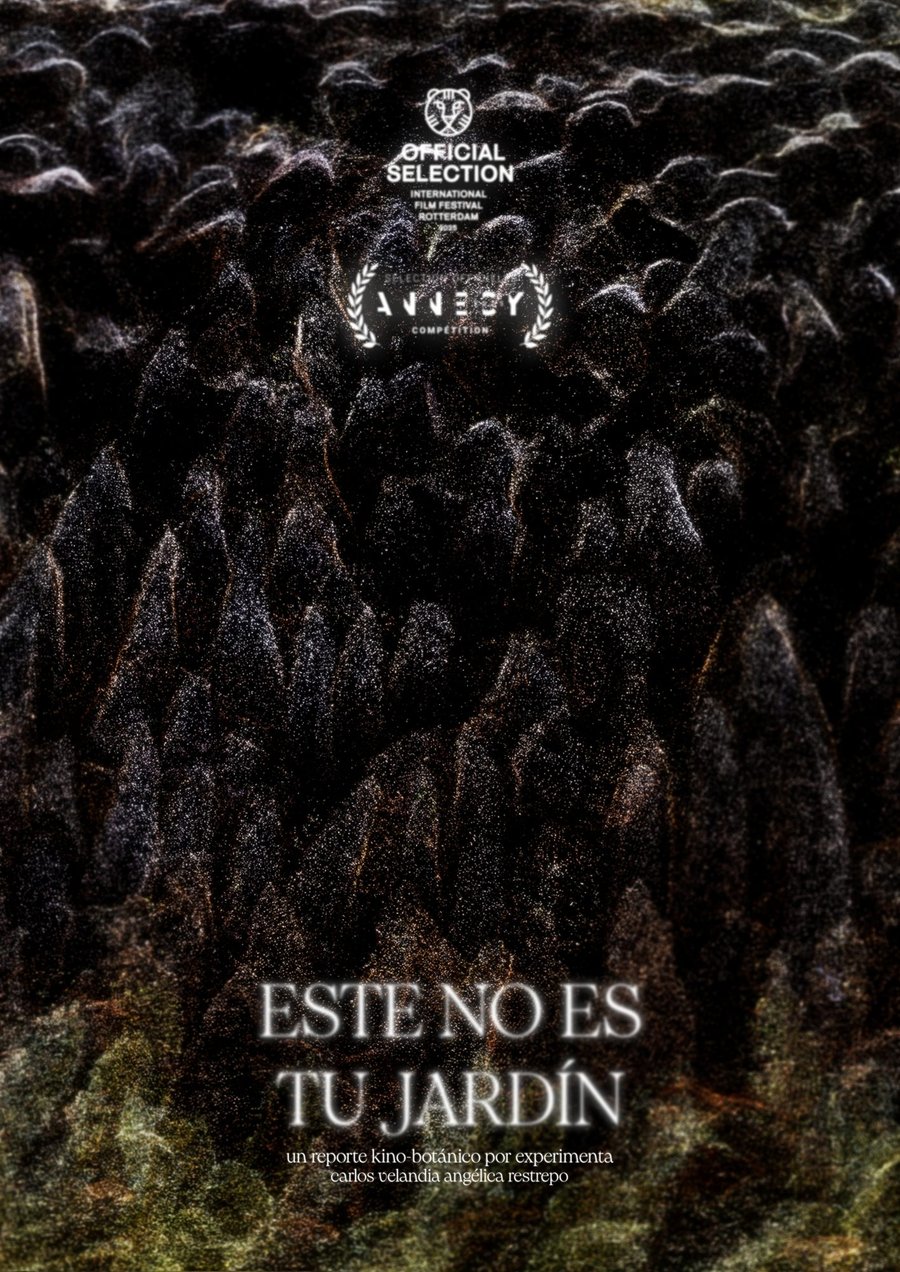
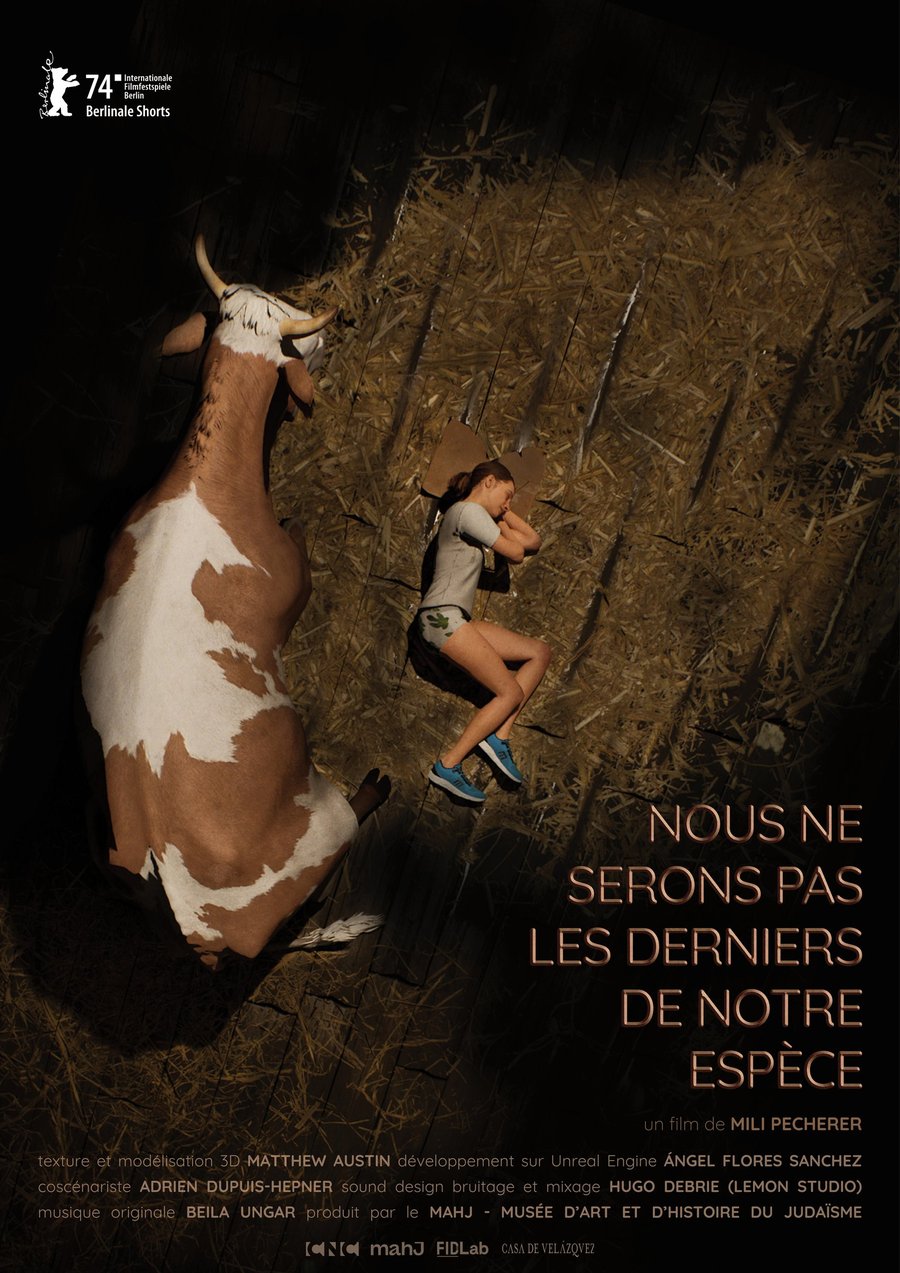
The first block of the competition brings together films in which technology becomes not merely a tool but a full-fledged environment, absorbing the human being, their memory, and their imagination. Here the digital and the physical, the human and the non-human, the past and a possible future are constantly intertwined, forcing us to reconsider how our reality is formed and who has the right to narrate it.
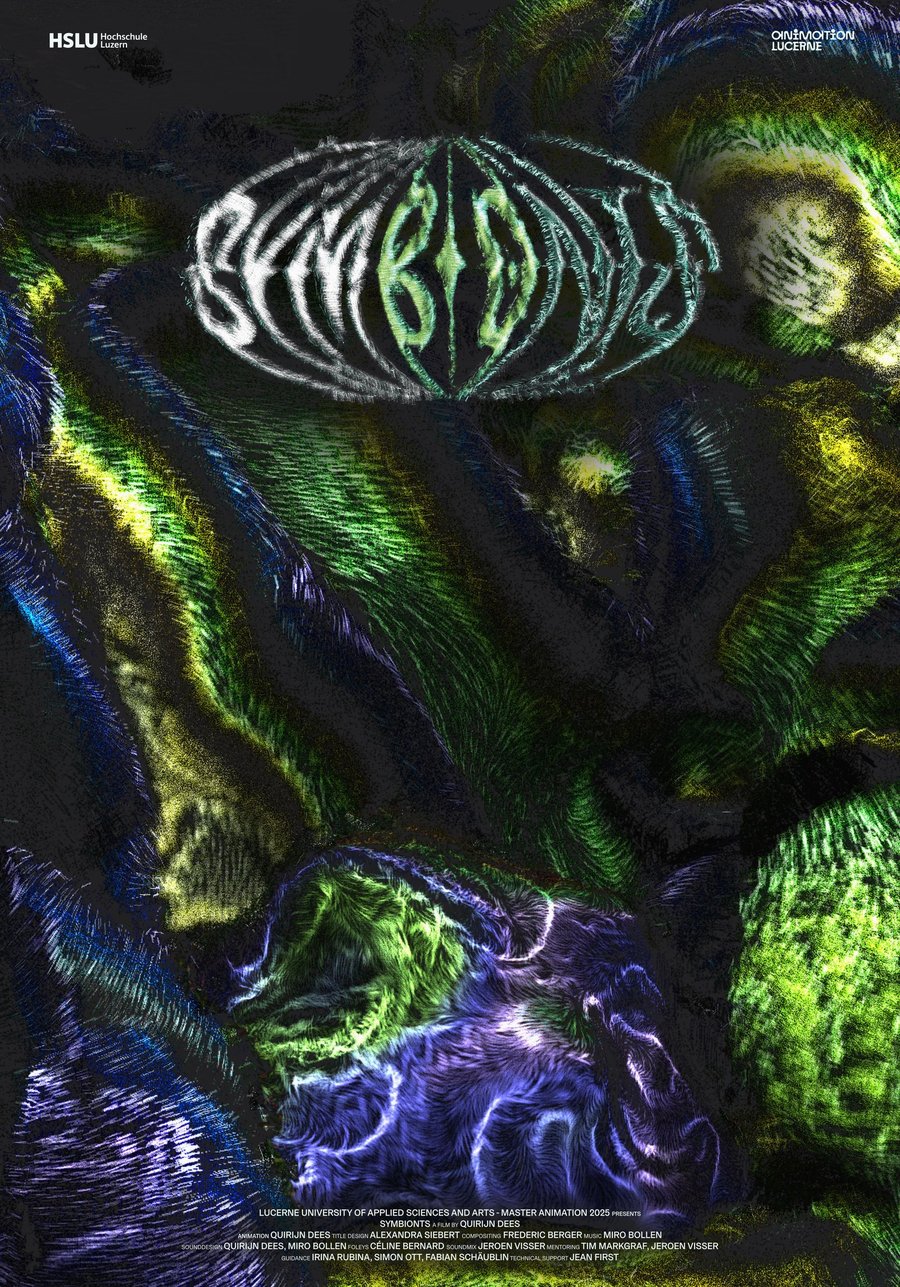
The authors and characters of the films in this first block turn to questions of identity, power, collective memory, and ecological crisis. Some works explore the border between creator and creation, others between personal memory and algorithmic interpretation, between human and nature, the real and the digital. Experimenting with 3D animation, glitch aesthetics, docufiction, and immersive imagery, the films in this block offer different ways of imagining the present and a possible future — from digital cities and artificial interlocutors to the return of plants displaced by humans.
International Competition #2
96 min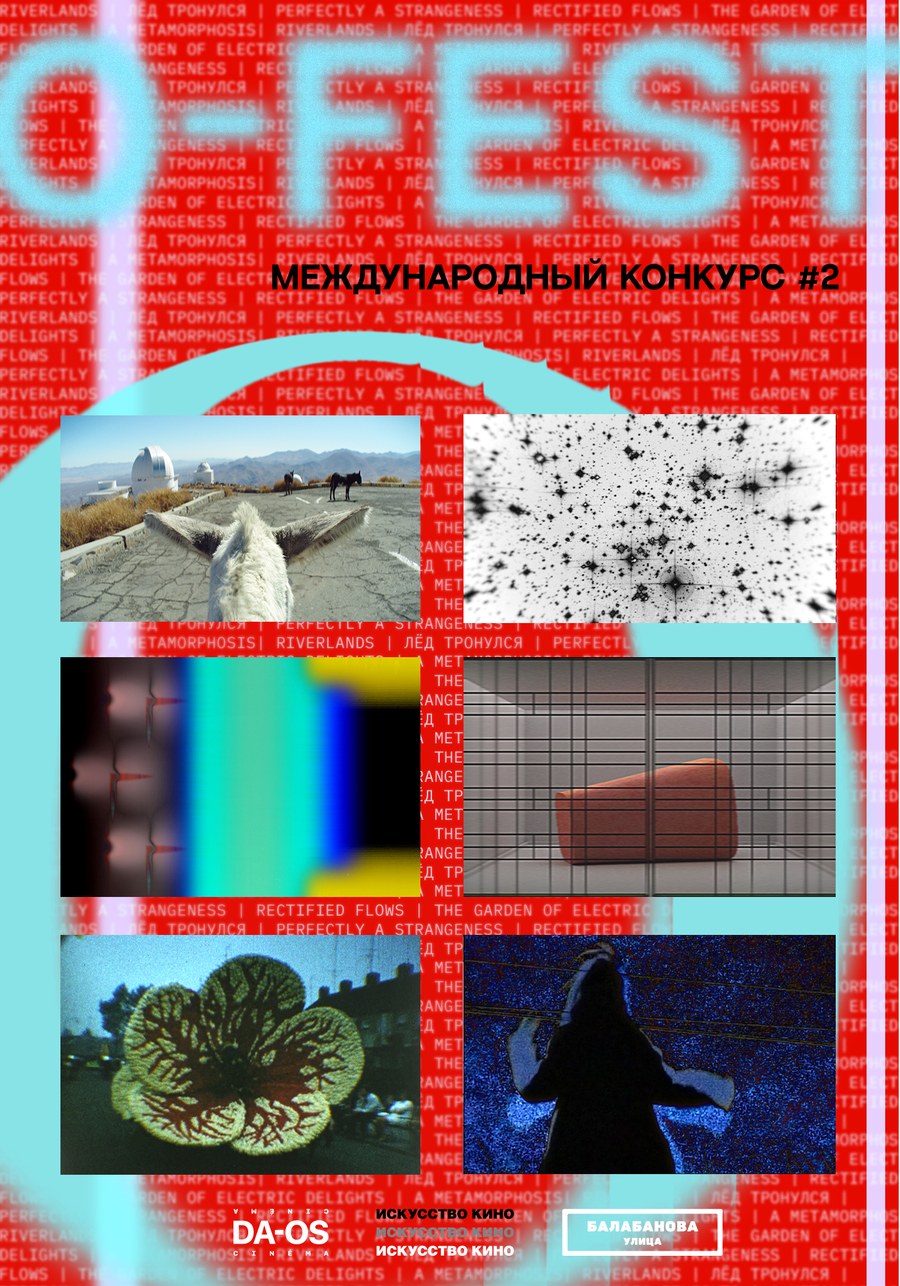
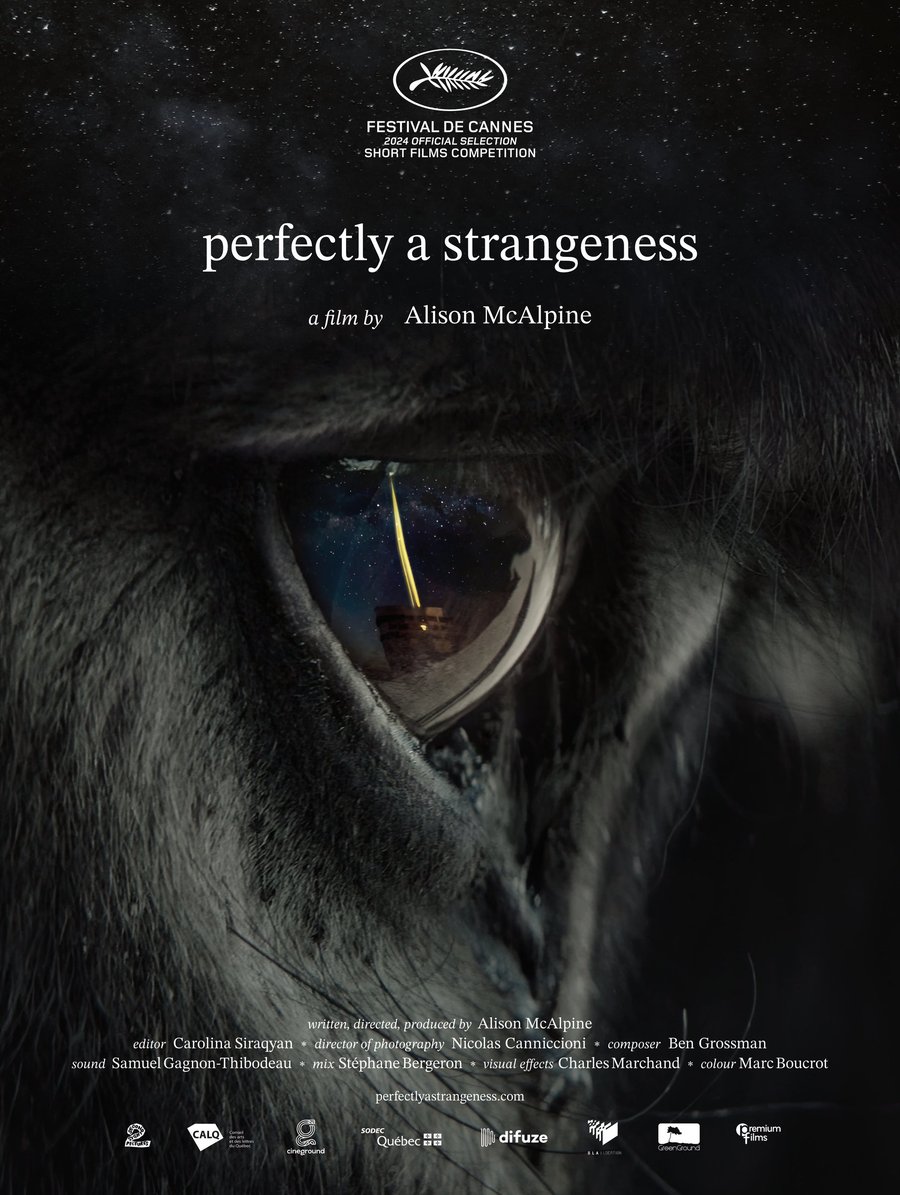
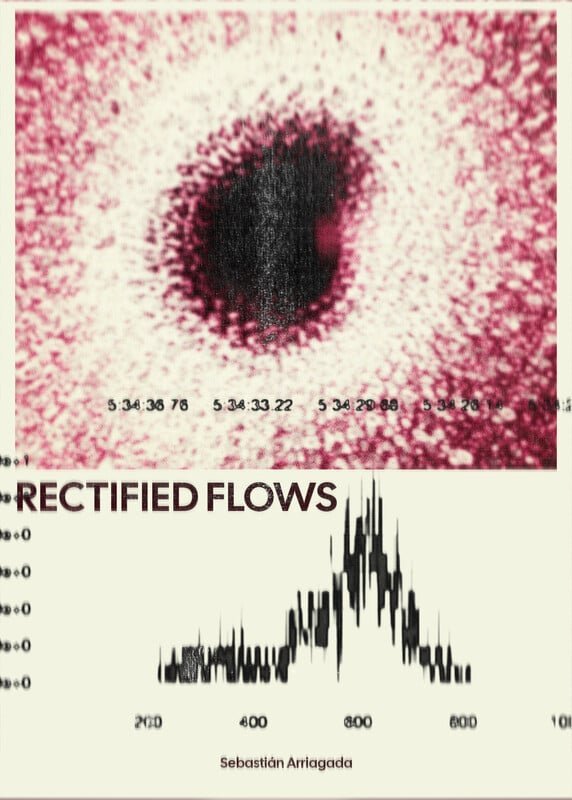
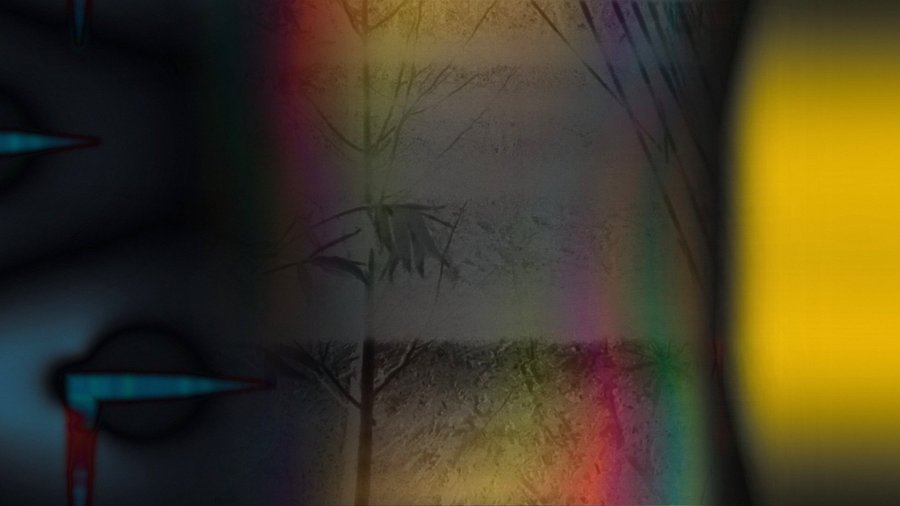
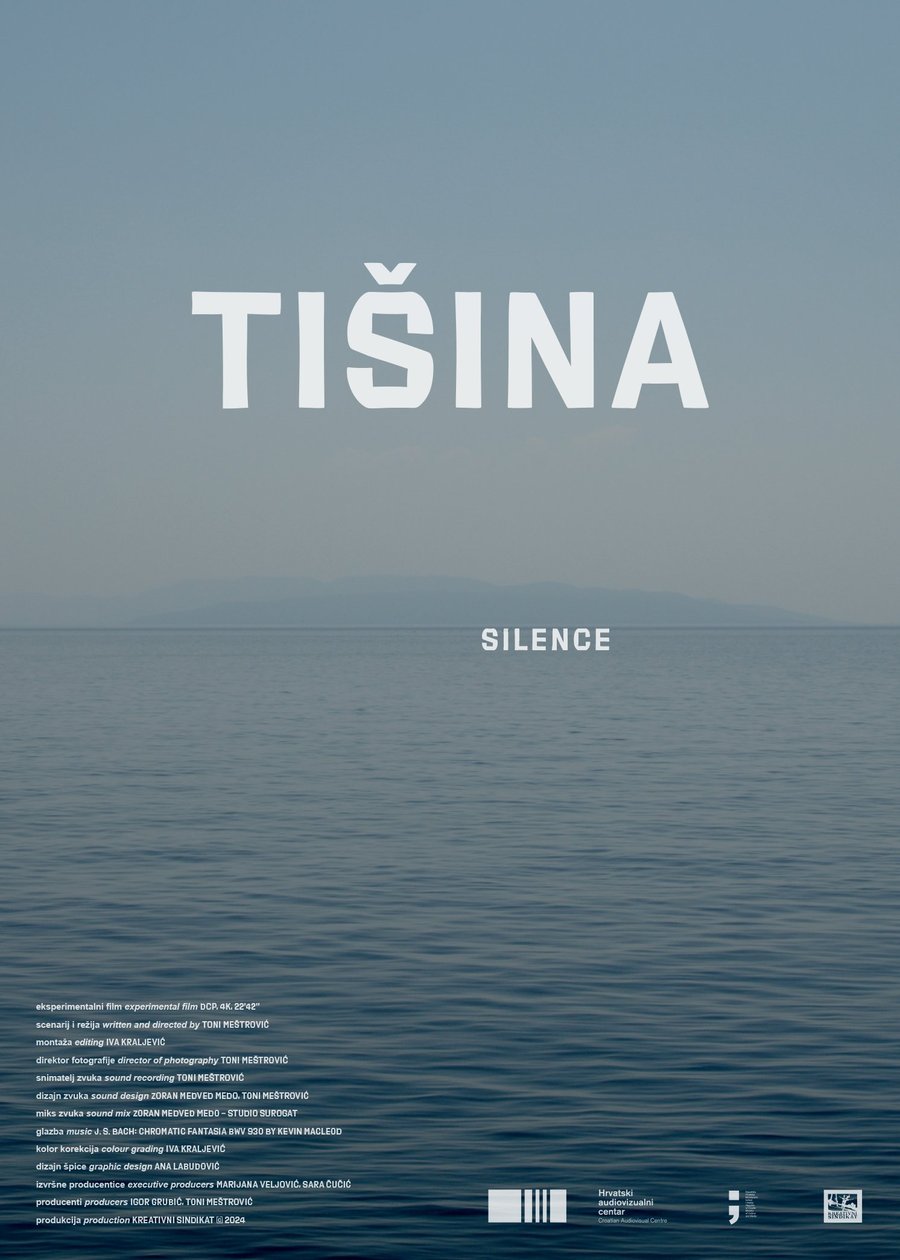
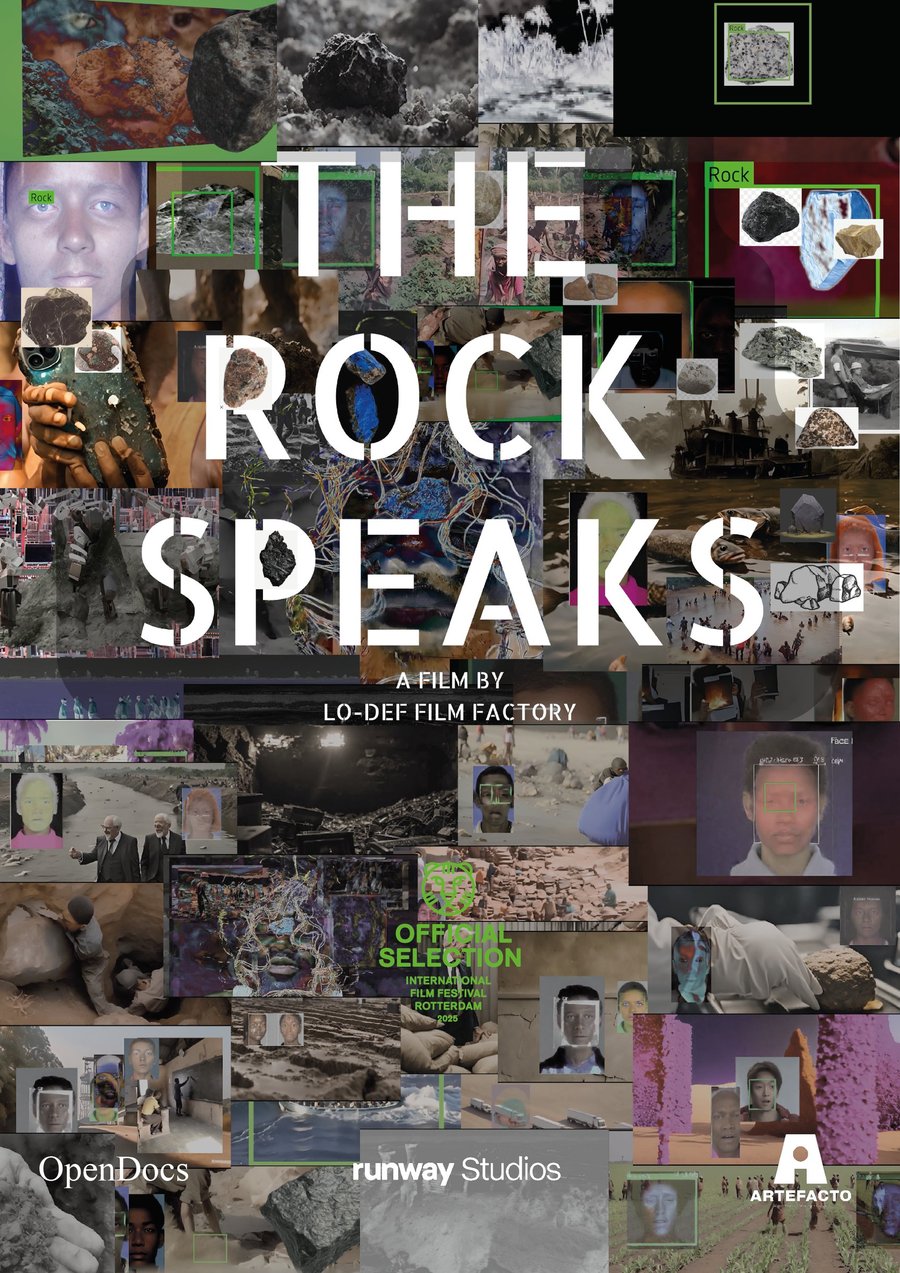
The second competition block turns to what lies beyond the ordinary human gaze. Telescopes and stones, rivers and chemicals, analog signal and digital data become independent protagonists in these films, with the human reduced to just one element within larger systems. The authors in this block work at the border of the documentary and the poetic, fact and myth, technology and animacy: scientific imagery turns into abstract, almost corporeal forms, an industrial object begins to be perceived as a living being, and a river becomes a carrier of family memory and the history of an entire community. The question that unites these formally very different works: what happens to matter, memory, and the living when they are looked at closely and for a long time — or when eyes are closed to them for years.
International Competition #3
99 min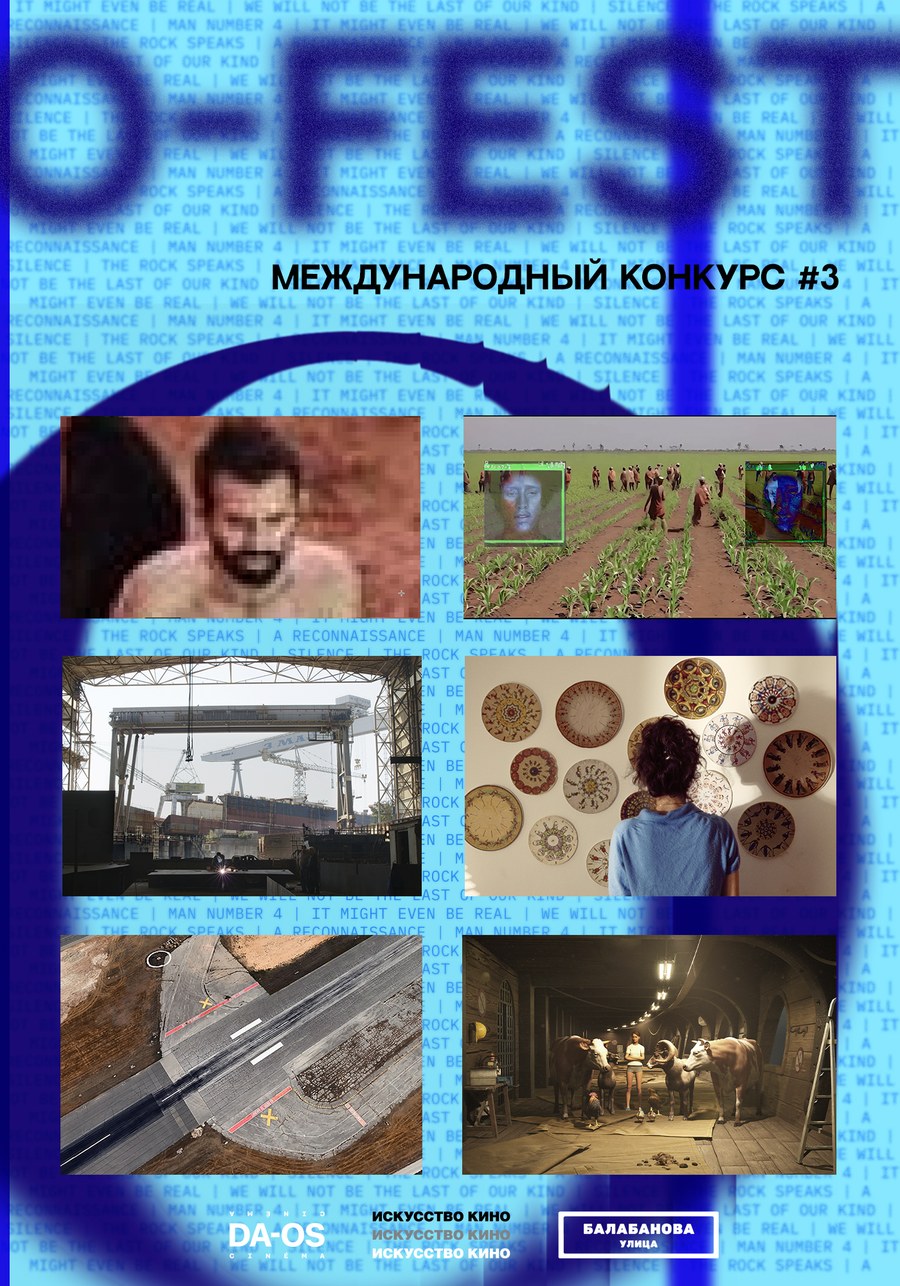
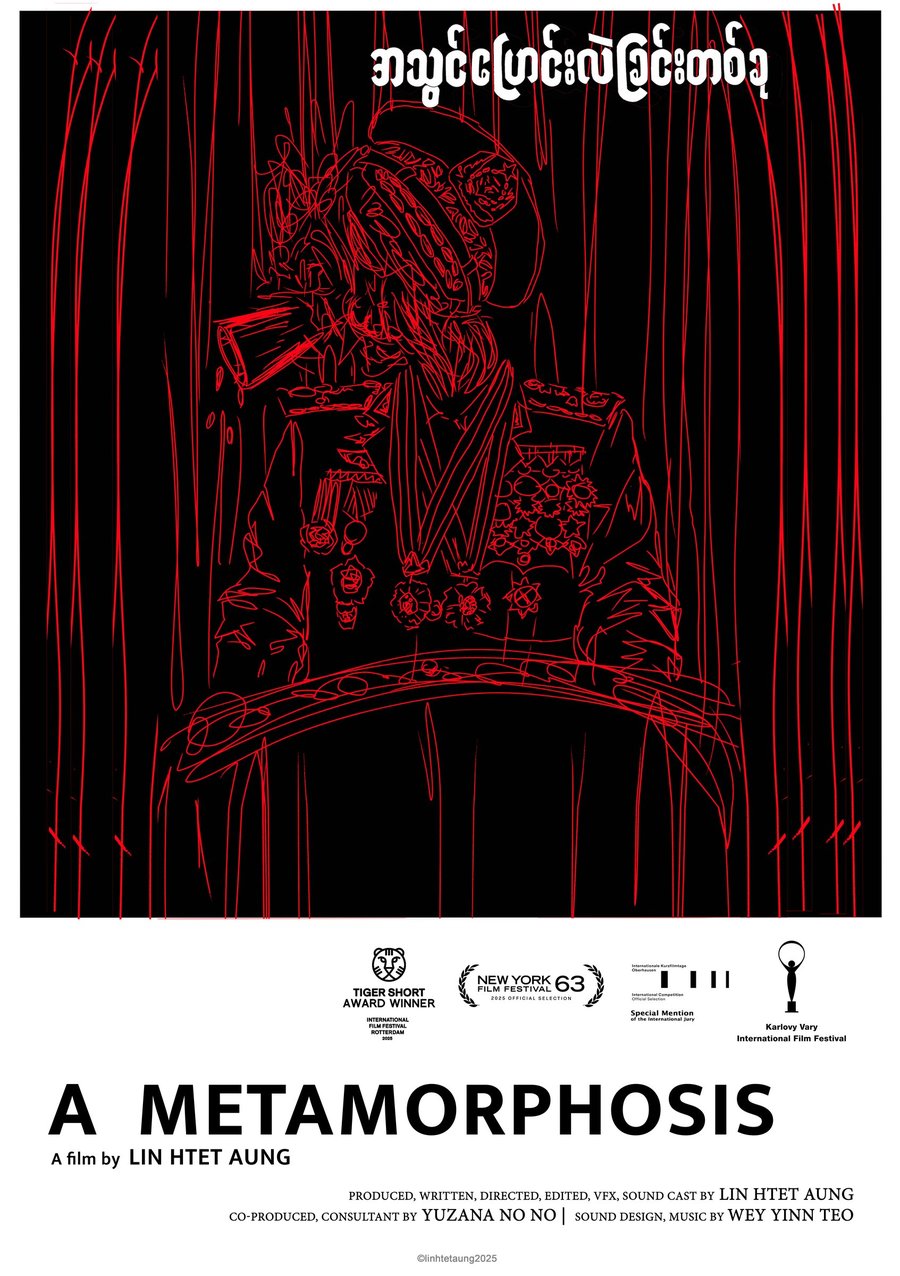
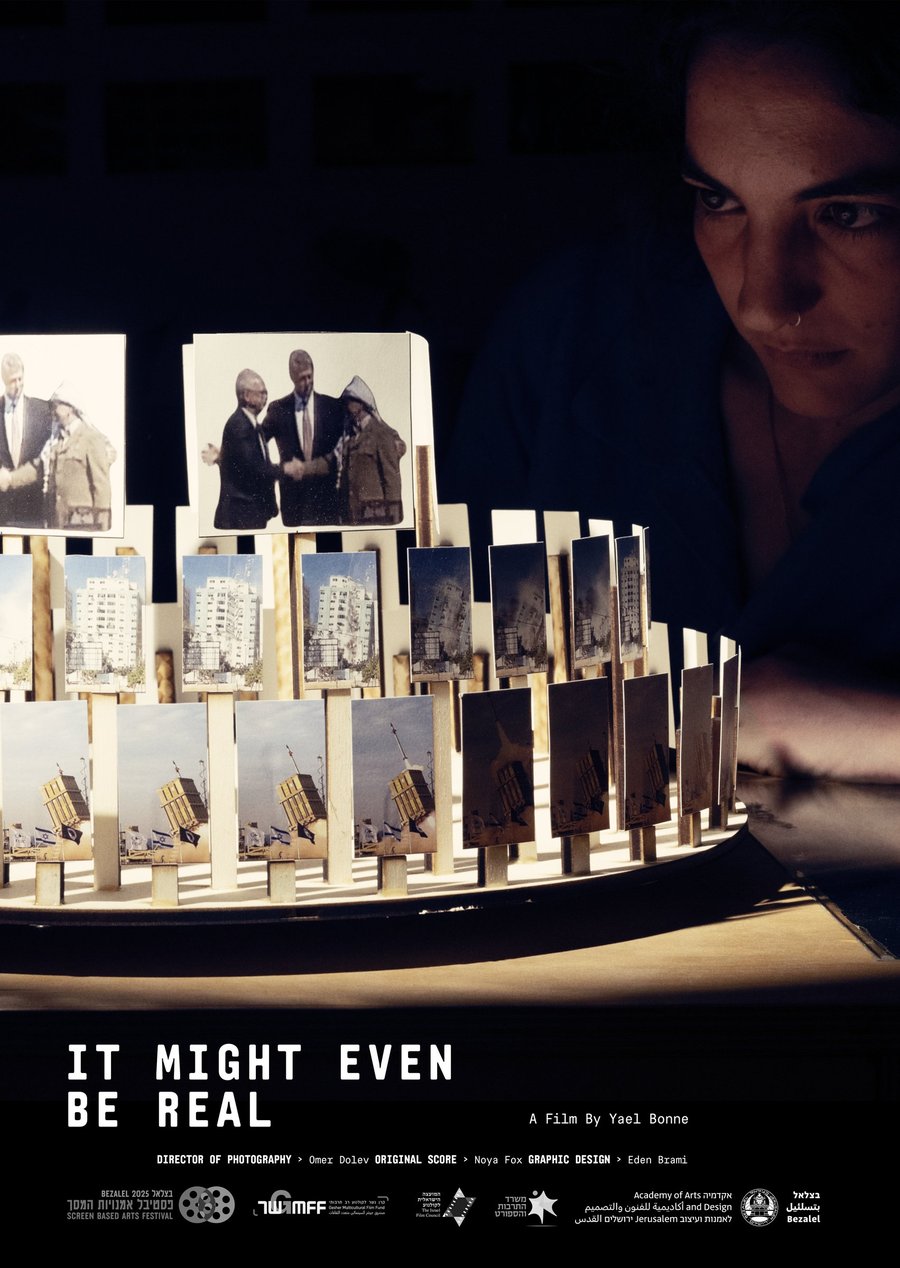
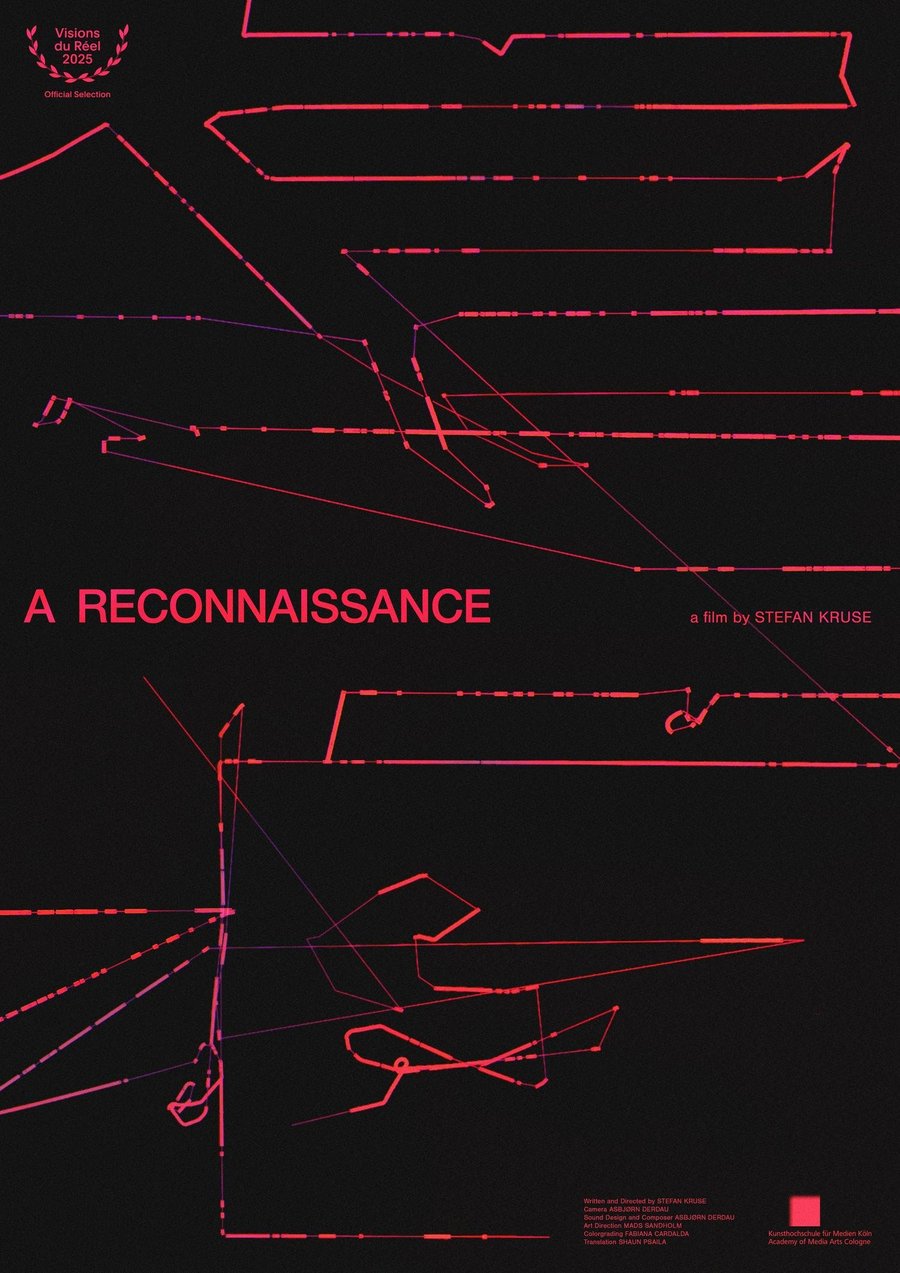
The third competition block is about systems and mechanisms that often remain invisible behind familiar images and technologies. The films in this block explore how an image can record, conceal, or, conversely, expose these mechanisms. Animation turns a search for hope into an attempt to get through difficult circumstances, an abandoned shipyard becomes evidence of economic change, and a photograph, a satellite image, or an AI-generated picture turn out to be part of a wider system. The viewer is invariably placed in the position of a witness: someone who watches what is happening — resource extraction, a stalled production line — but cannot intervene directly. Through documentary investigation, allegory, essay, or personal diary, the authors of this block examine how the power of the observer is structured — who is watching, who is being watched, and what is left for the person caught between these two positions.
Festival Selections
Night Screenings and "De Memoria" are selections the festival’s own curatorial team puts together itself, rather than receiving ready-made from a guest curator. These are authored thematic cross-sections of competition and out-of-competition submissions: about memory, home, loss, and an image that lays bare its own physical nature.
Night Screening #1
85 min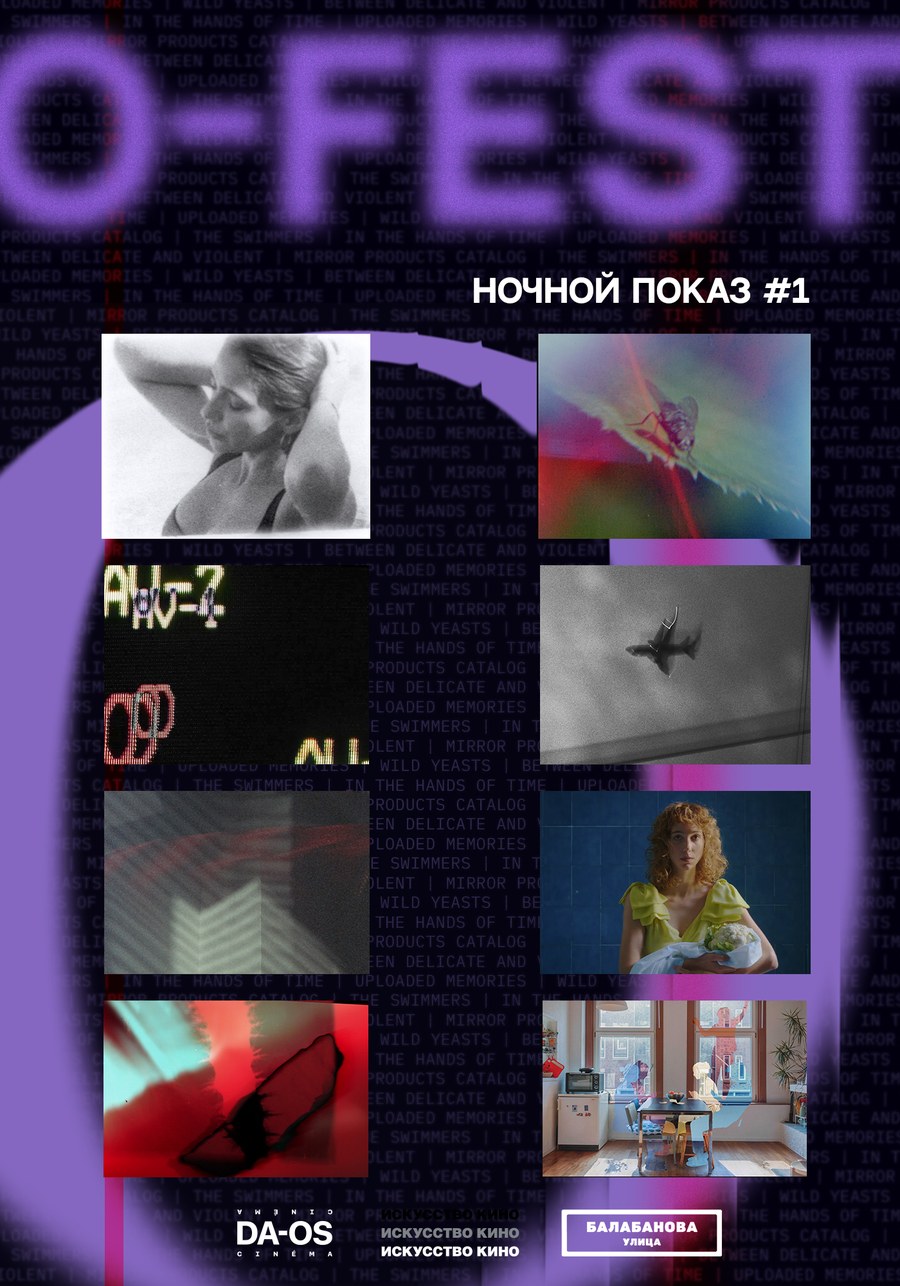
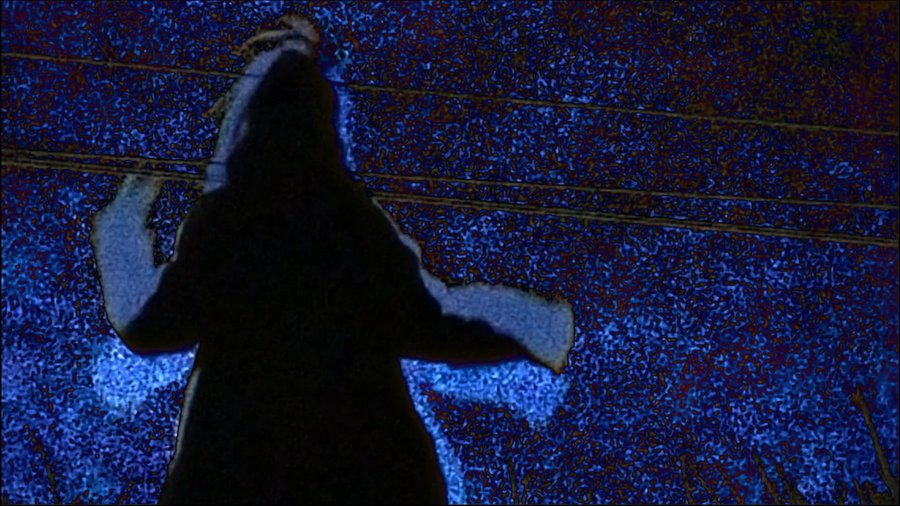
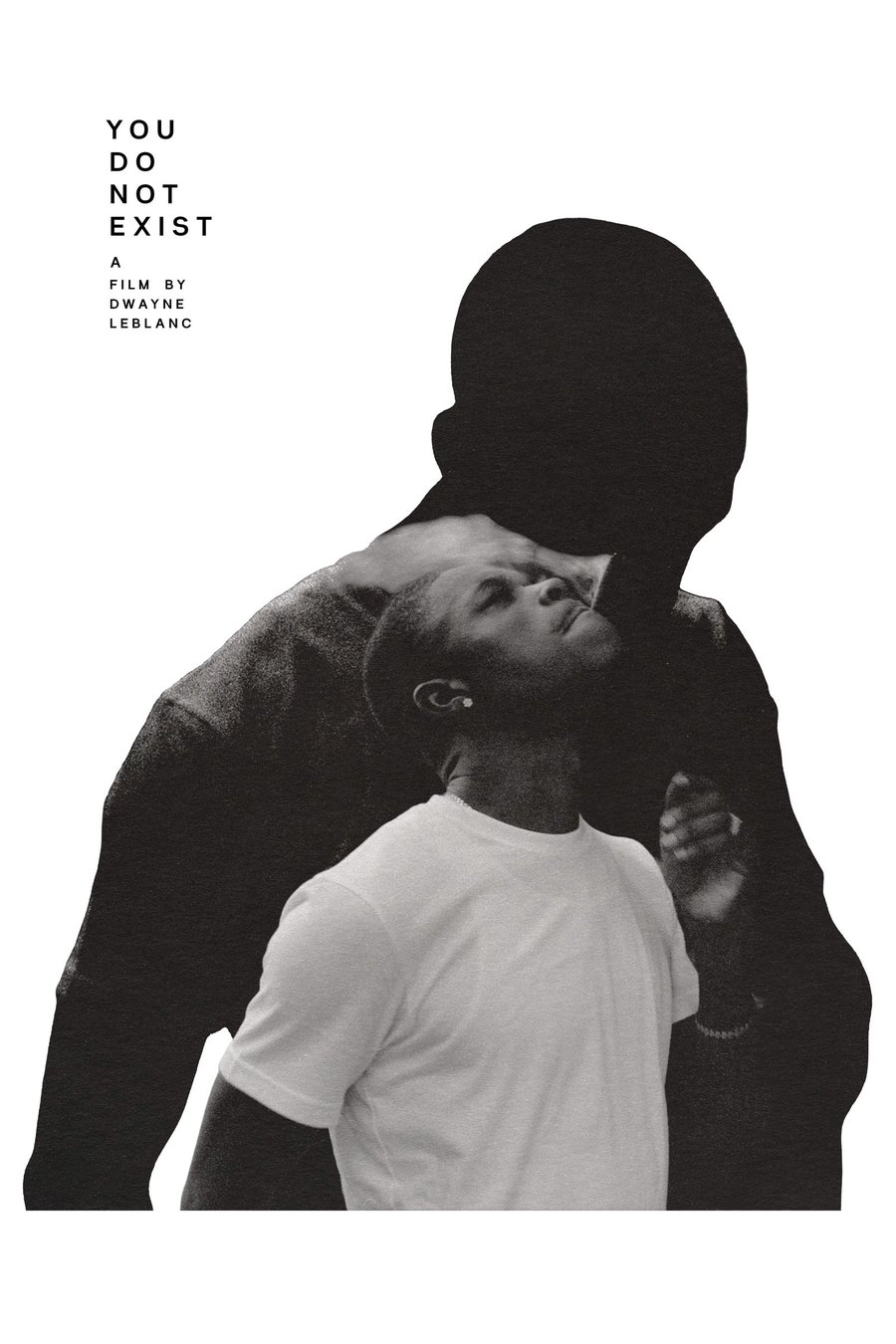
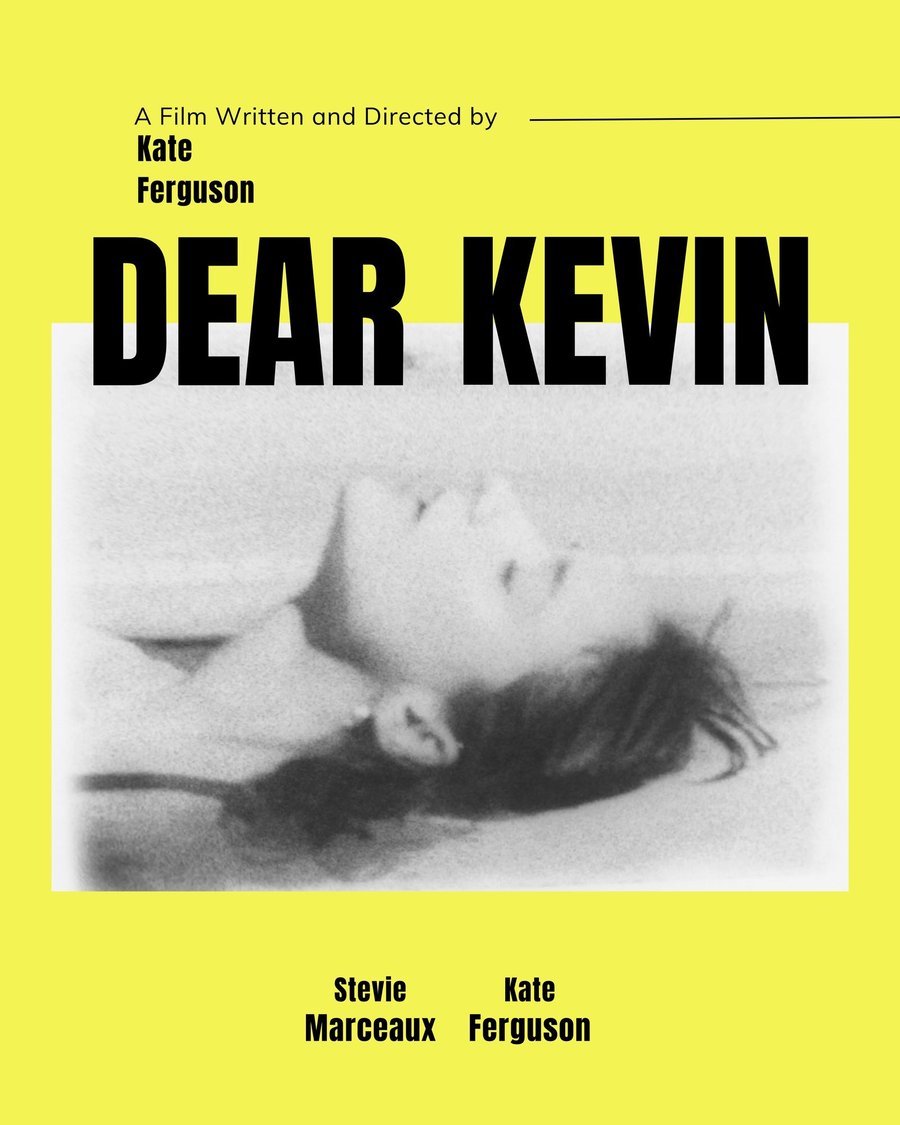
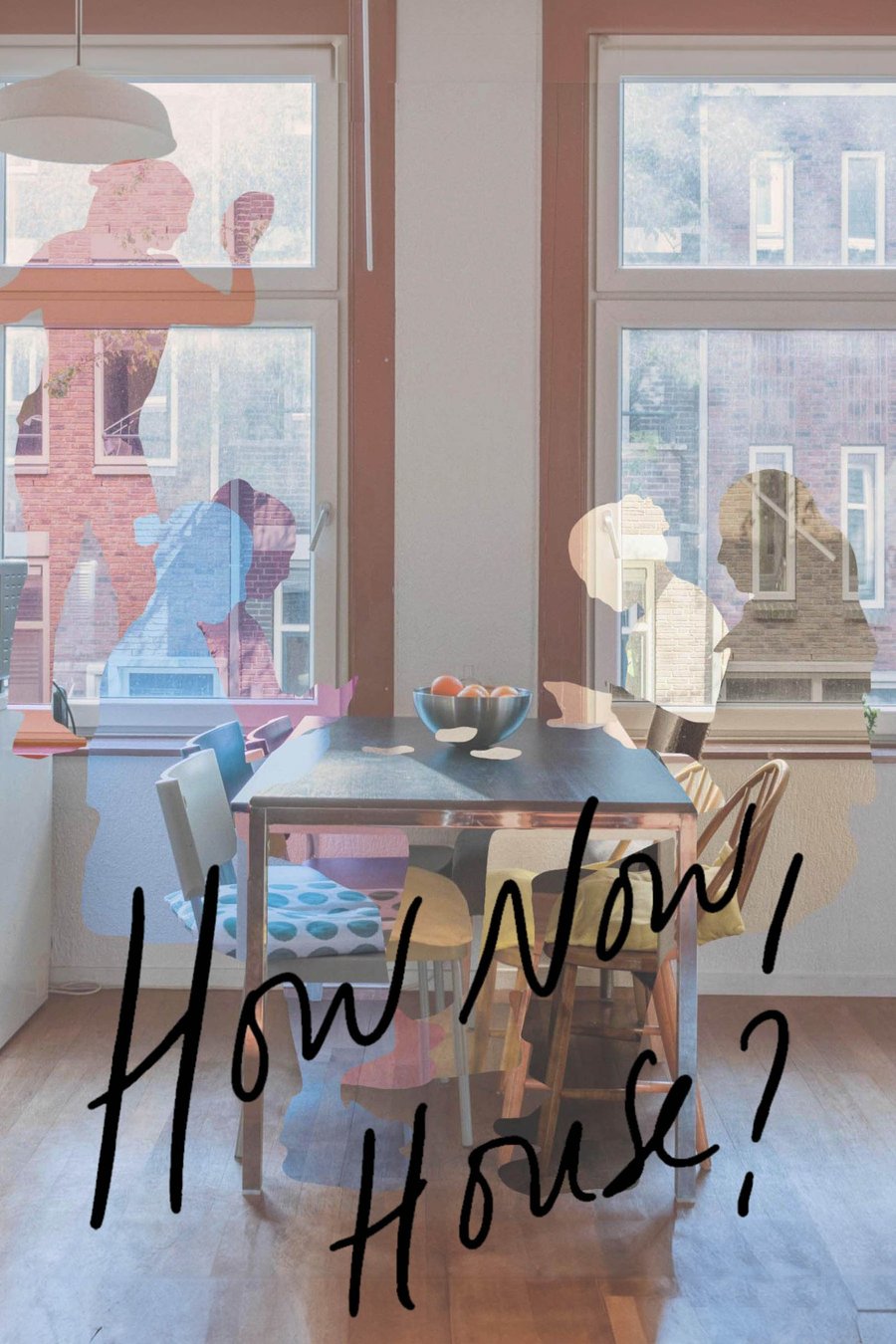
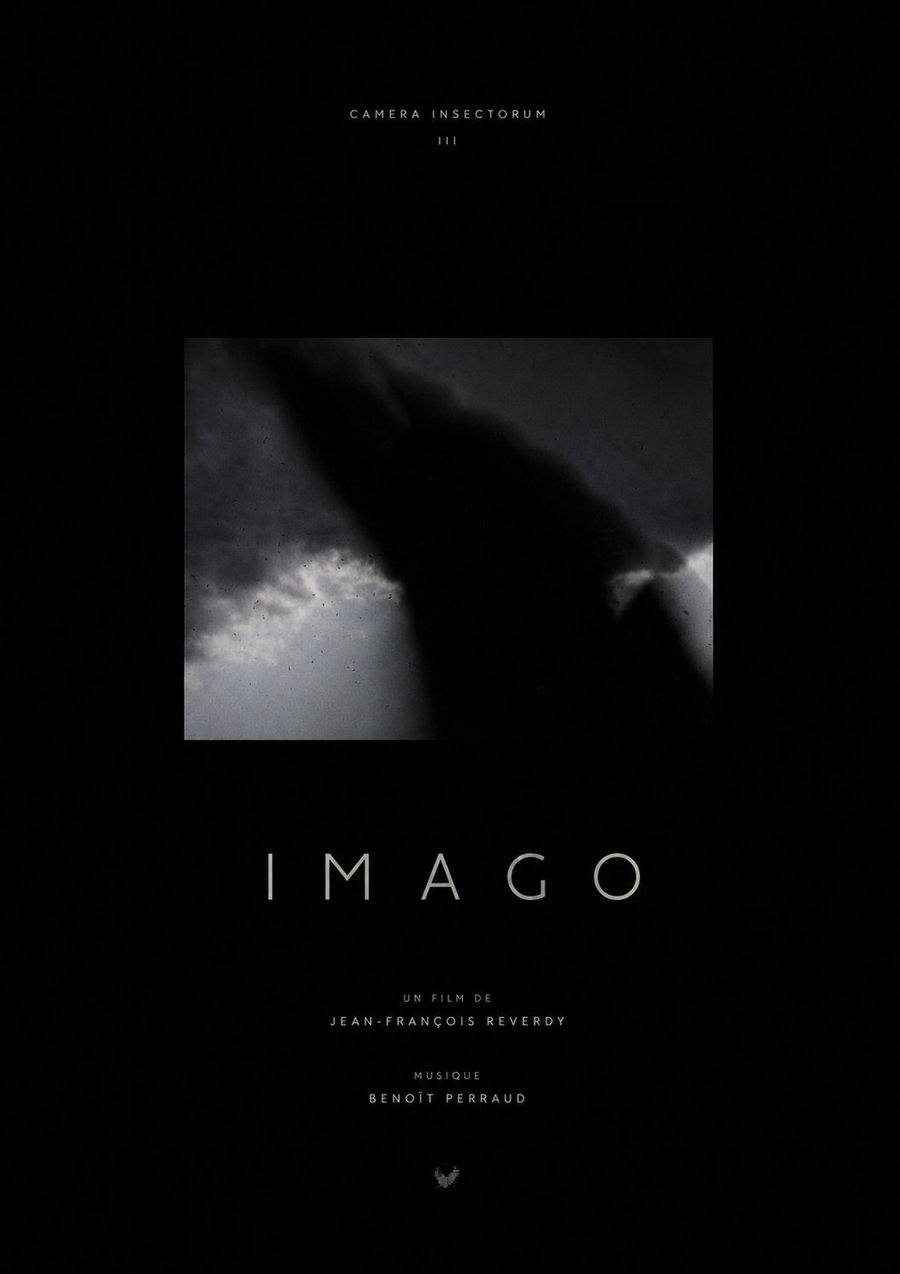
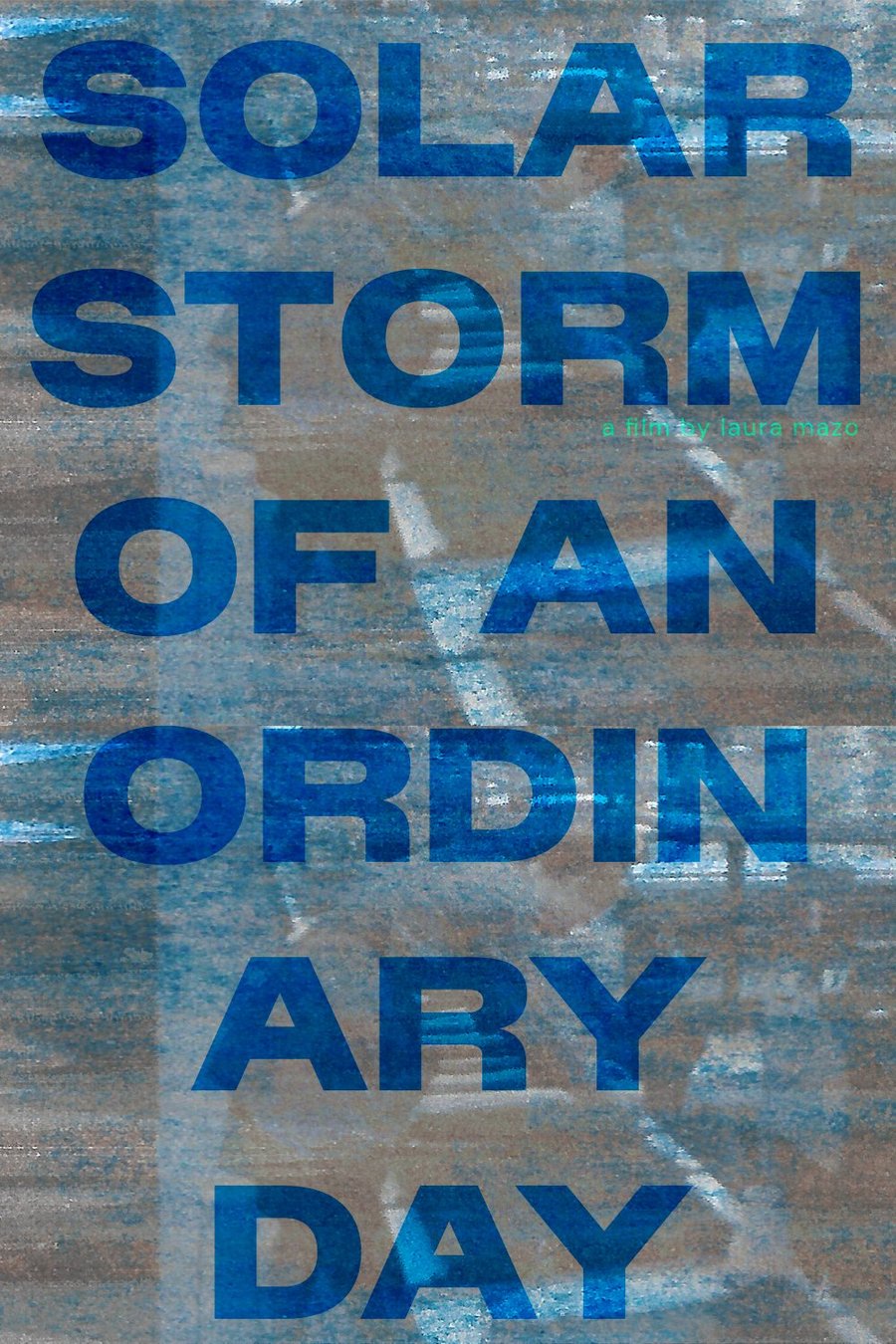
In the first block of the night programme, the image lays bare its own physical nature instead of hiding it behind a polished surface. Light, grain, interference, and flicker become not technical flaws but a language in which the films speak of memory, home, and loss: characters return to familiar places, live through loss, look closely at their own memories, and try to re-establish a connection with the space around them. Here cinema doesn't so much narrate memory as become its material trace — fragmentary, incomplete, and constantly shifting.
Night Screening #2
88 min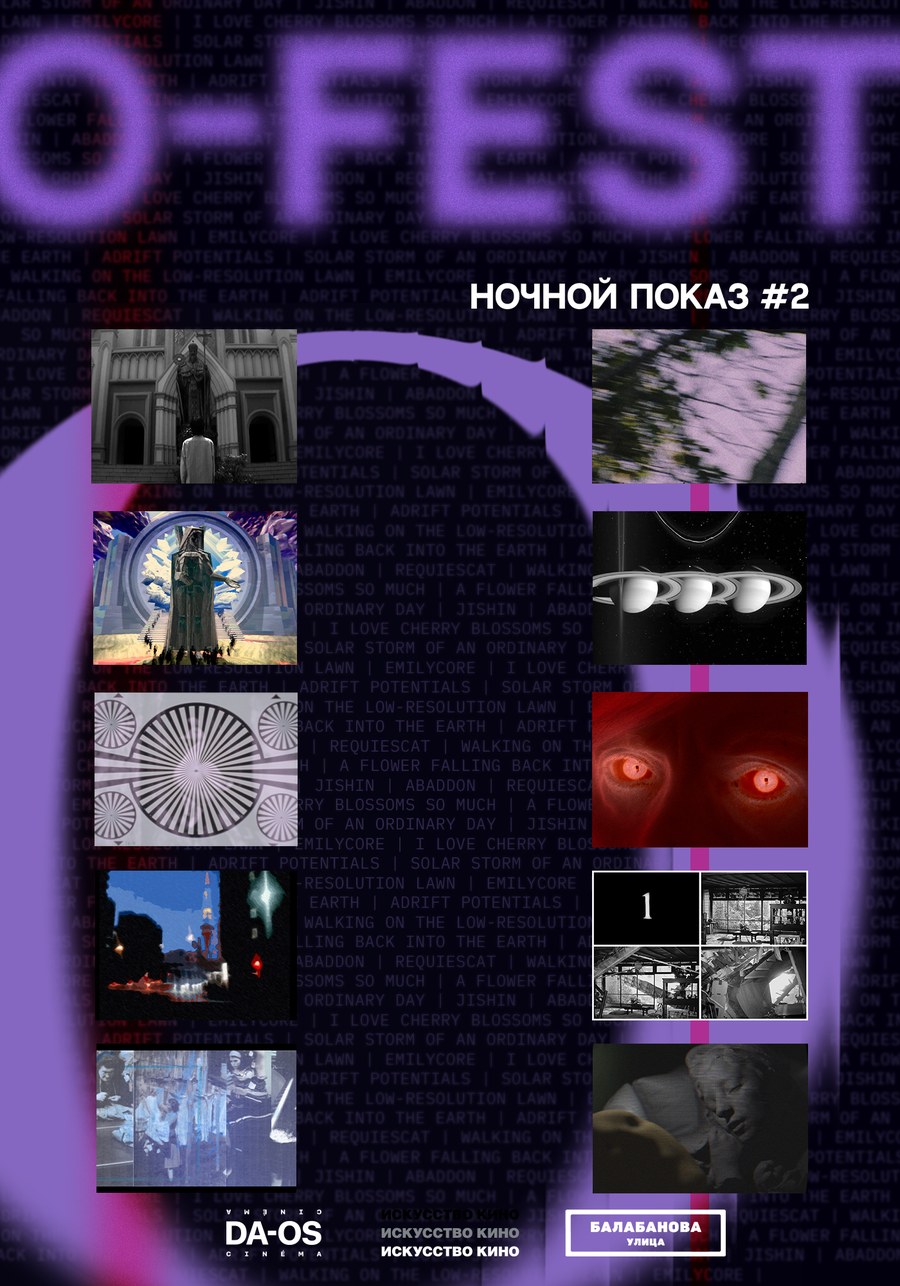
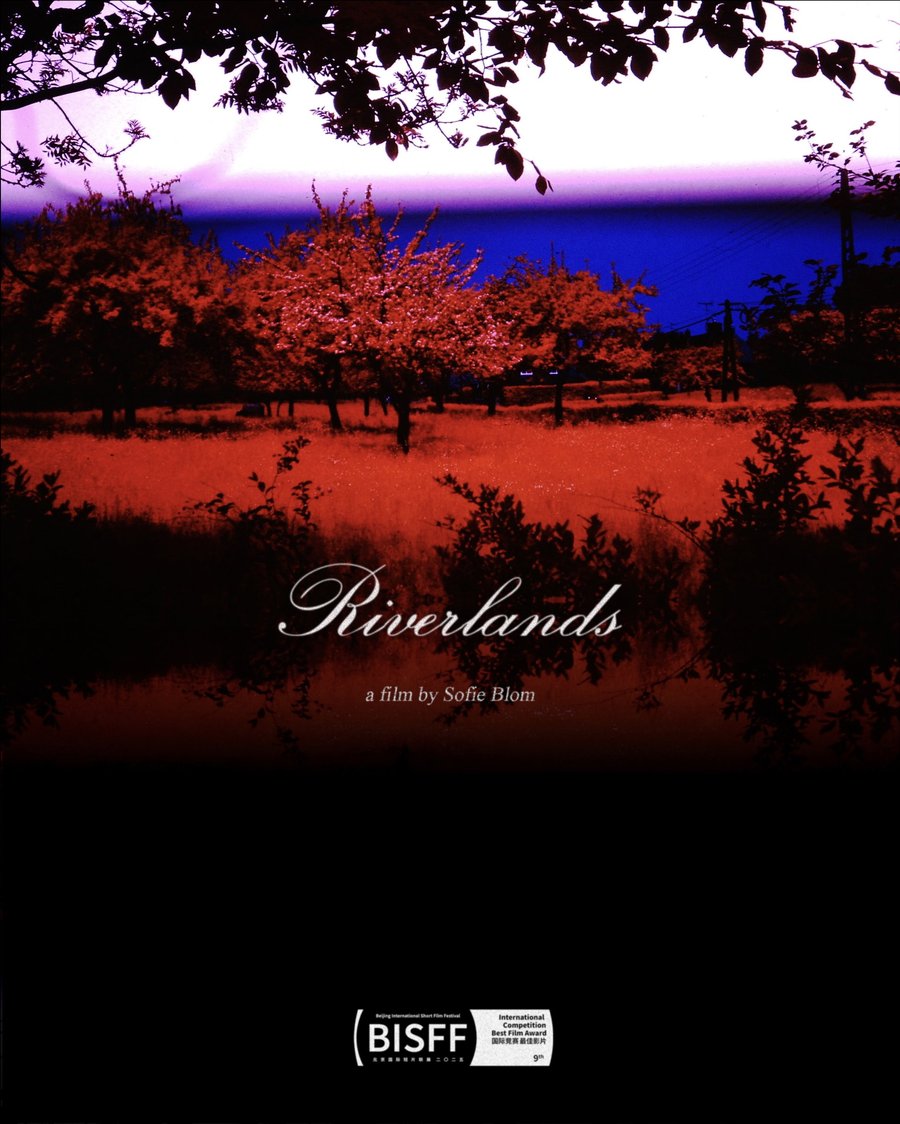
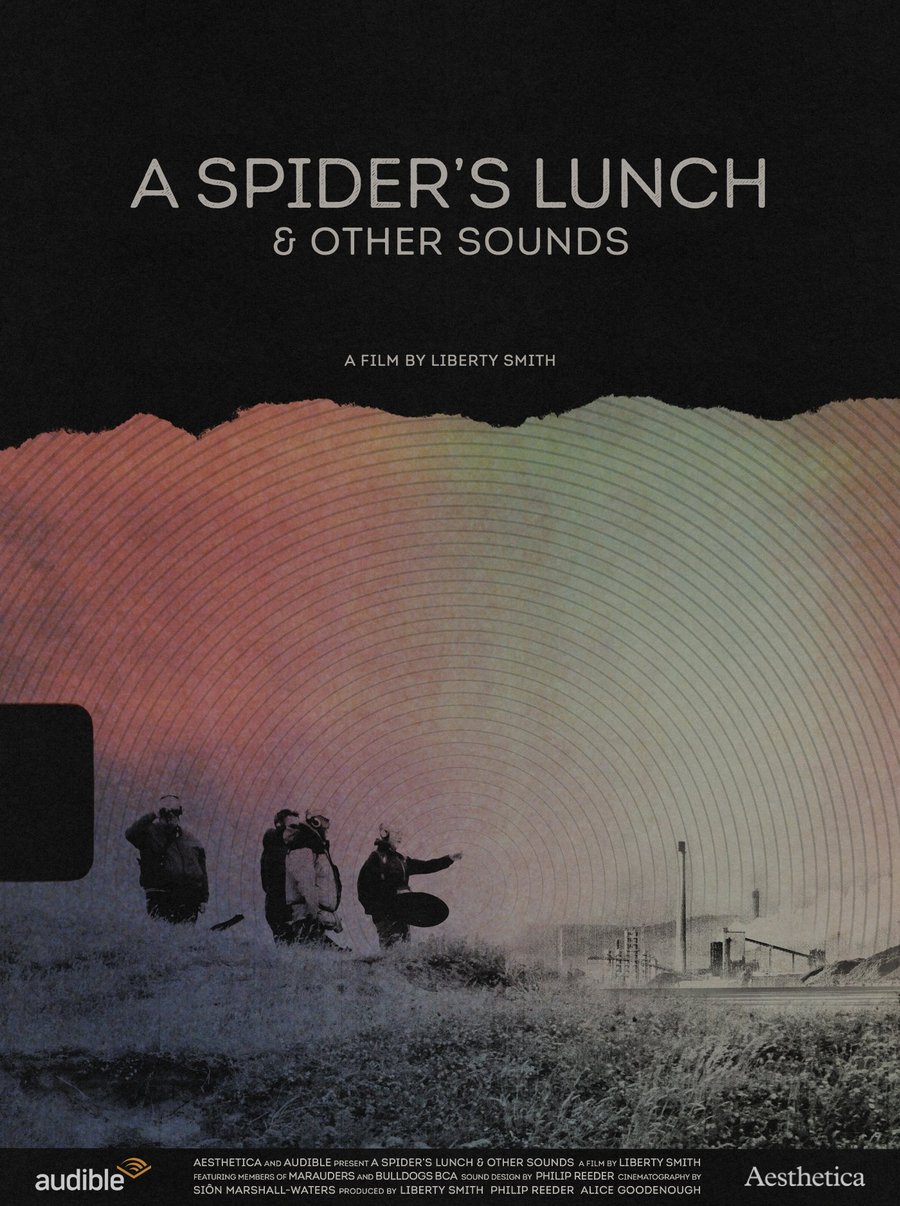
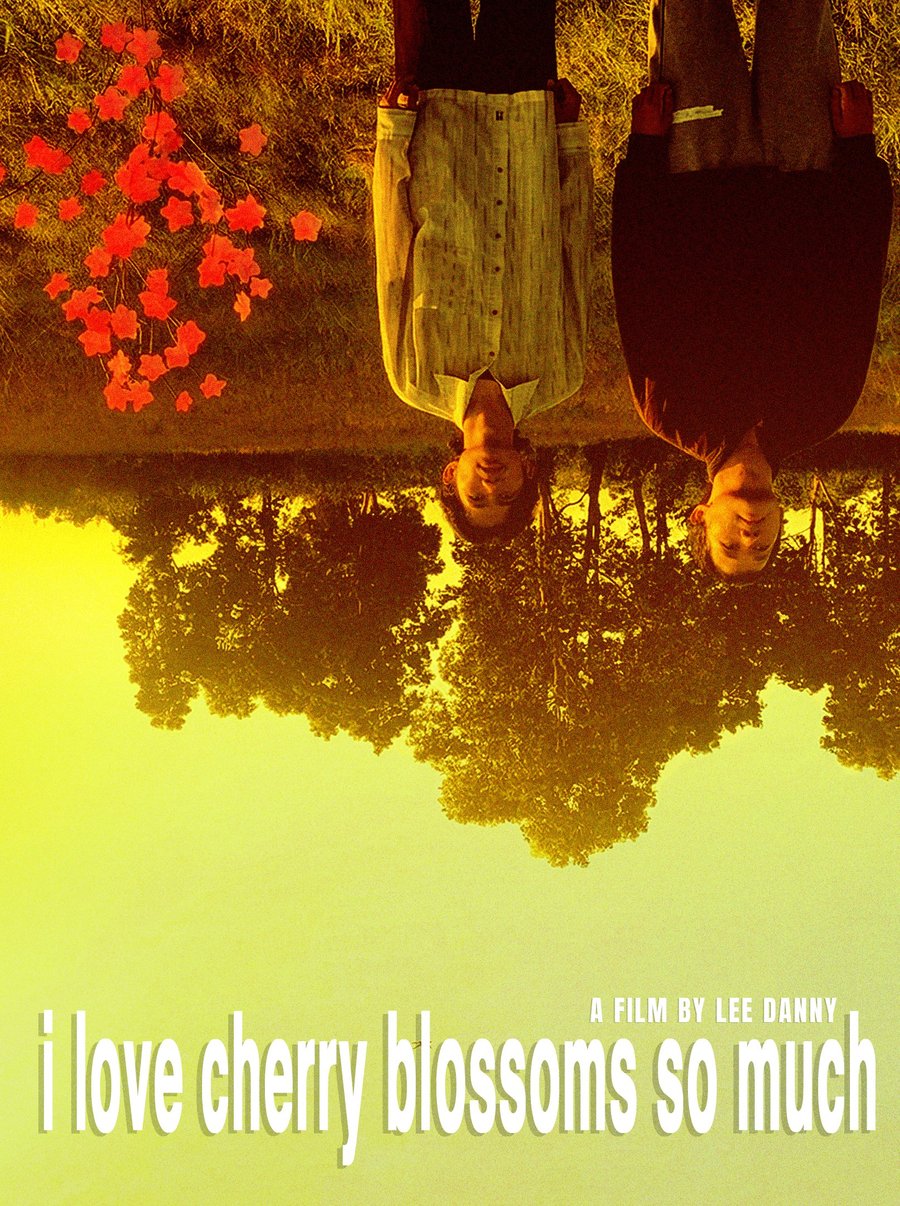
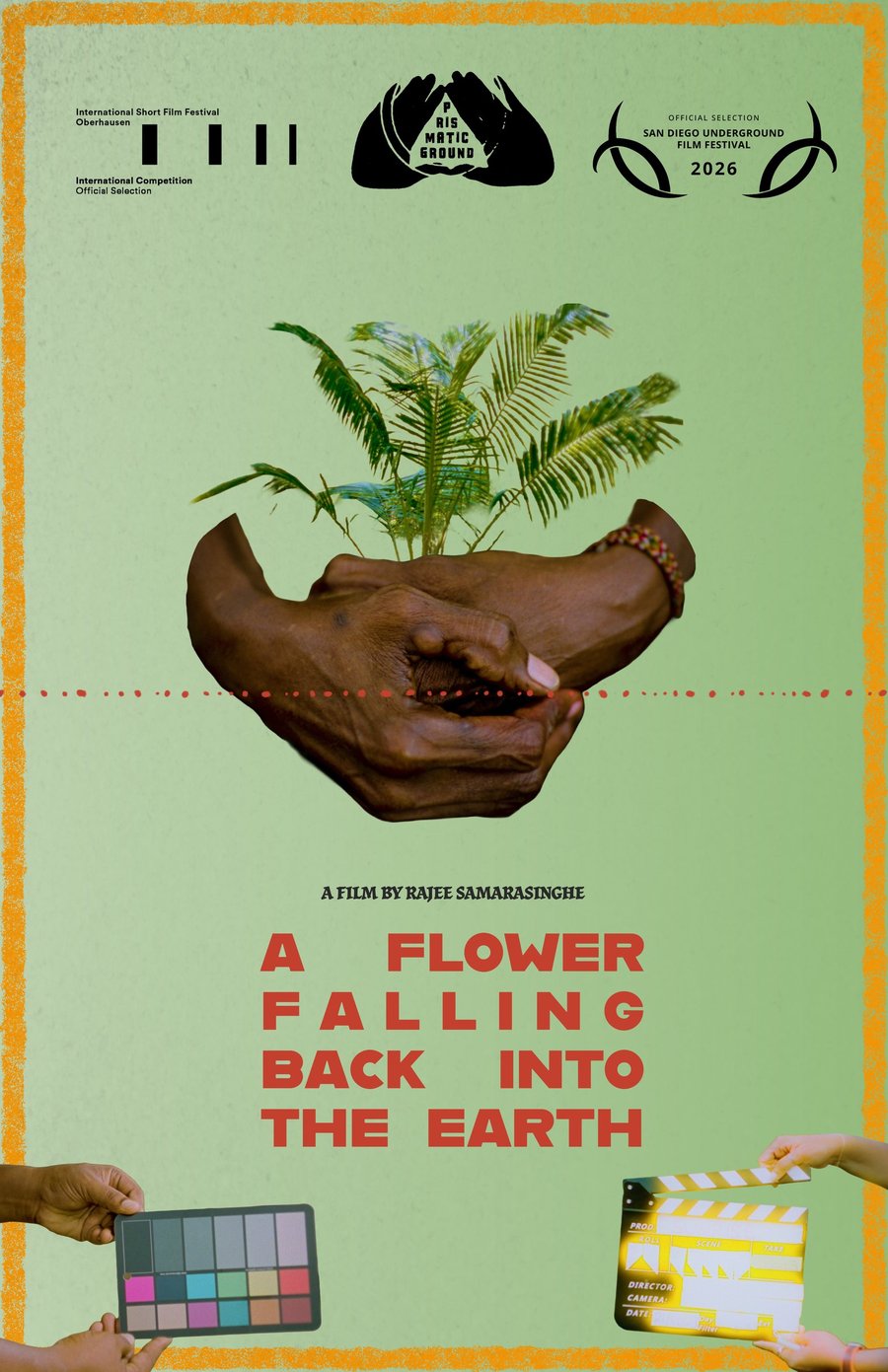
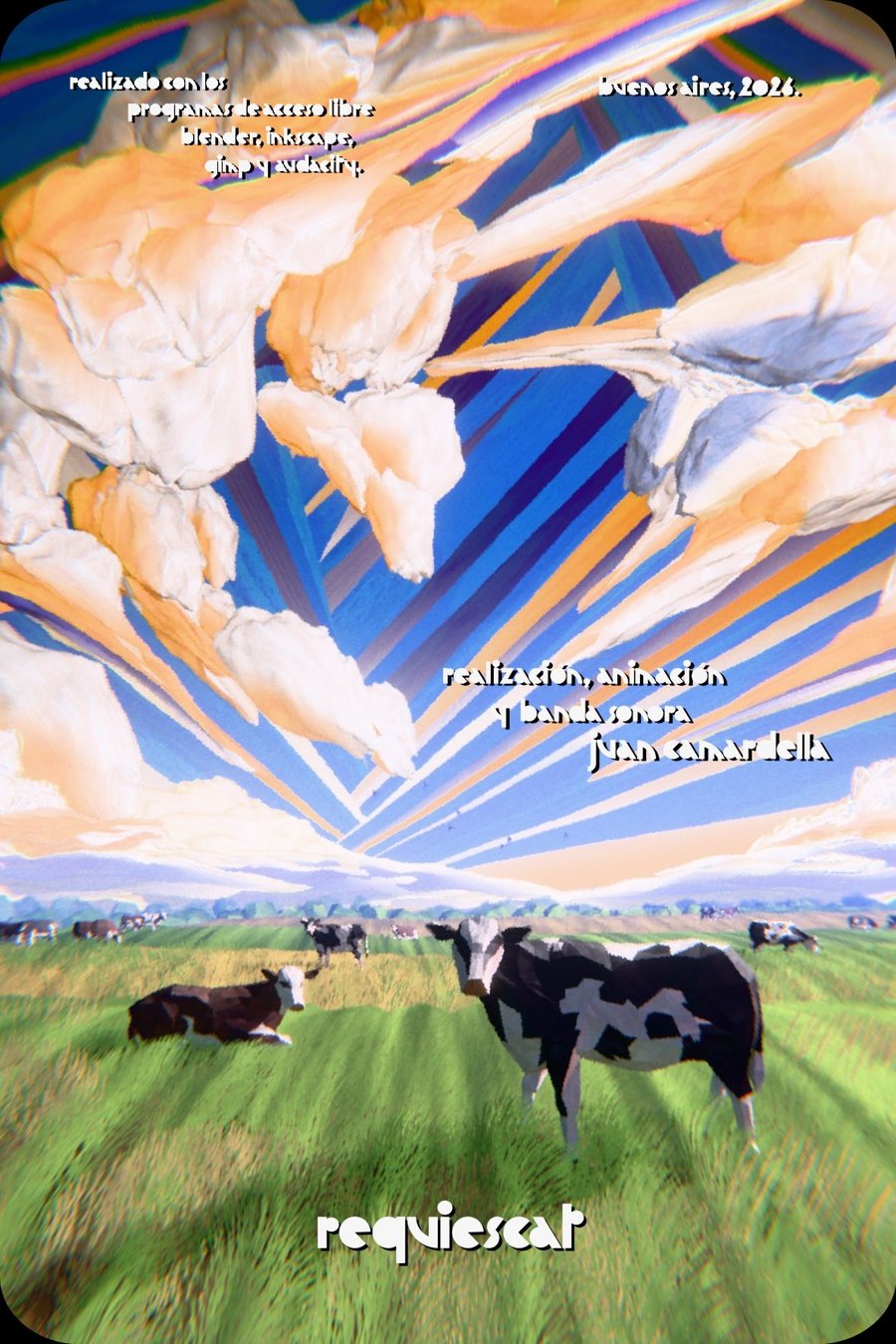
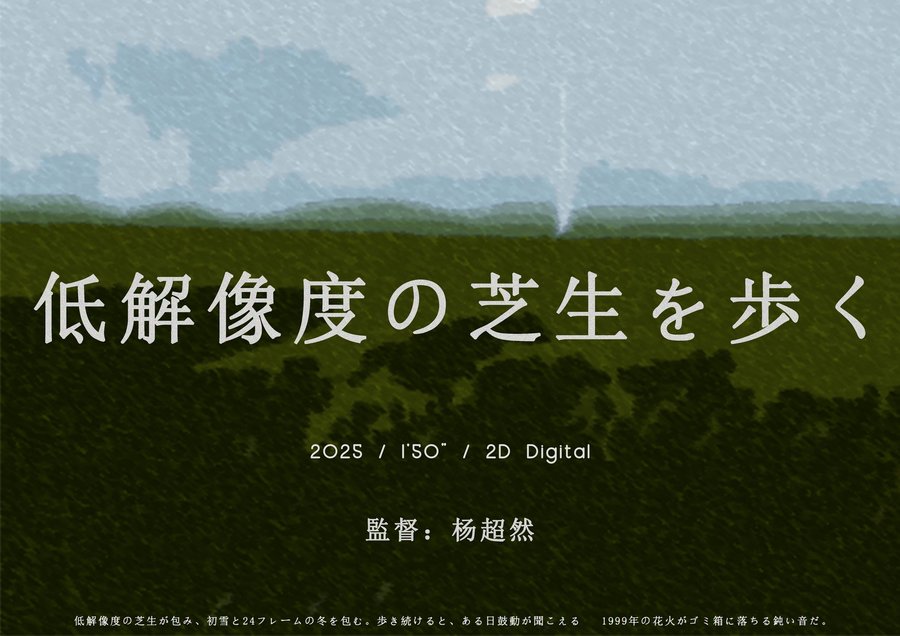
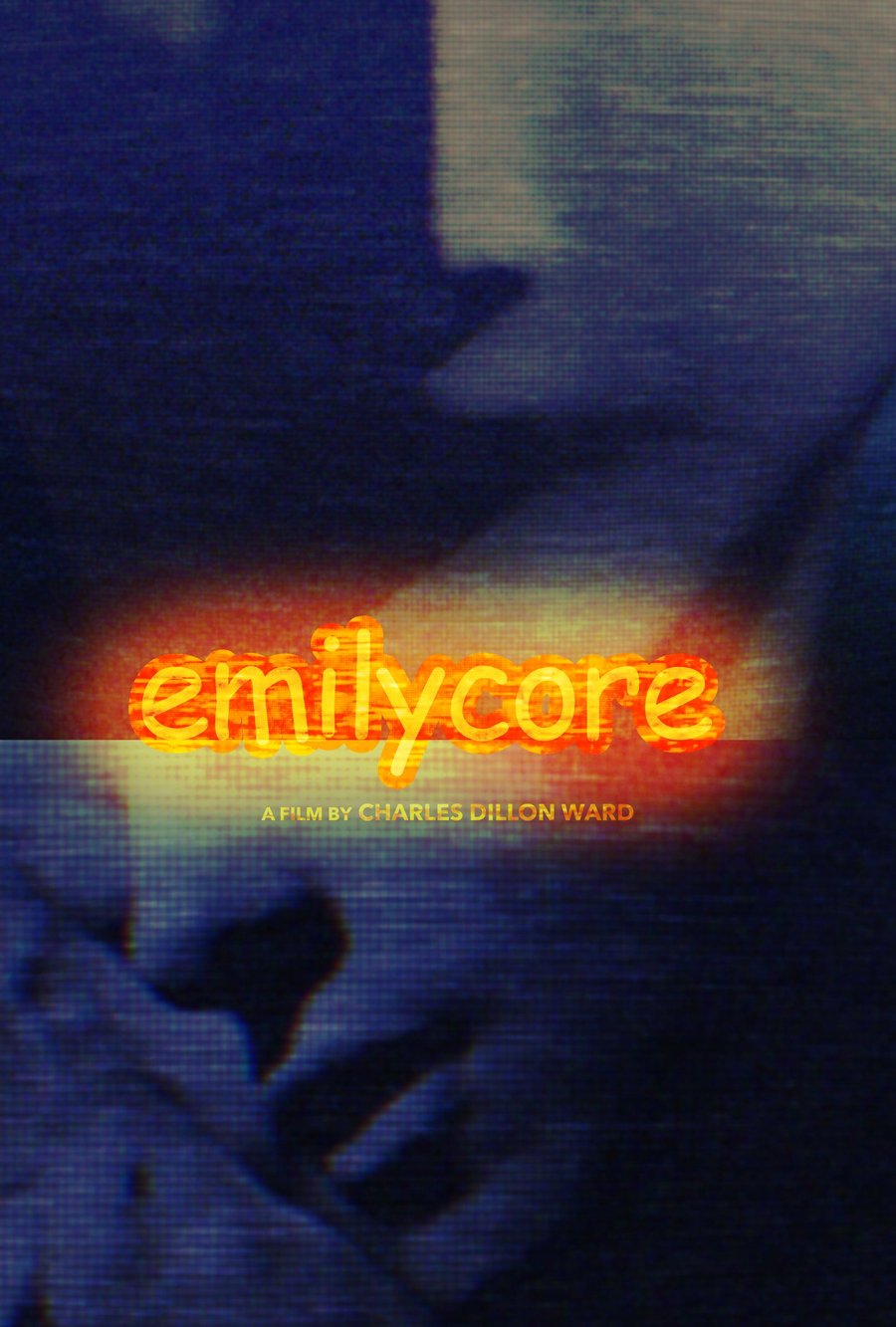
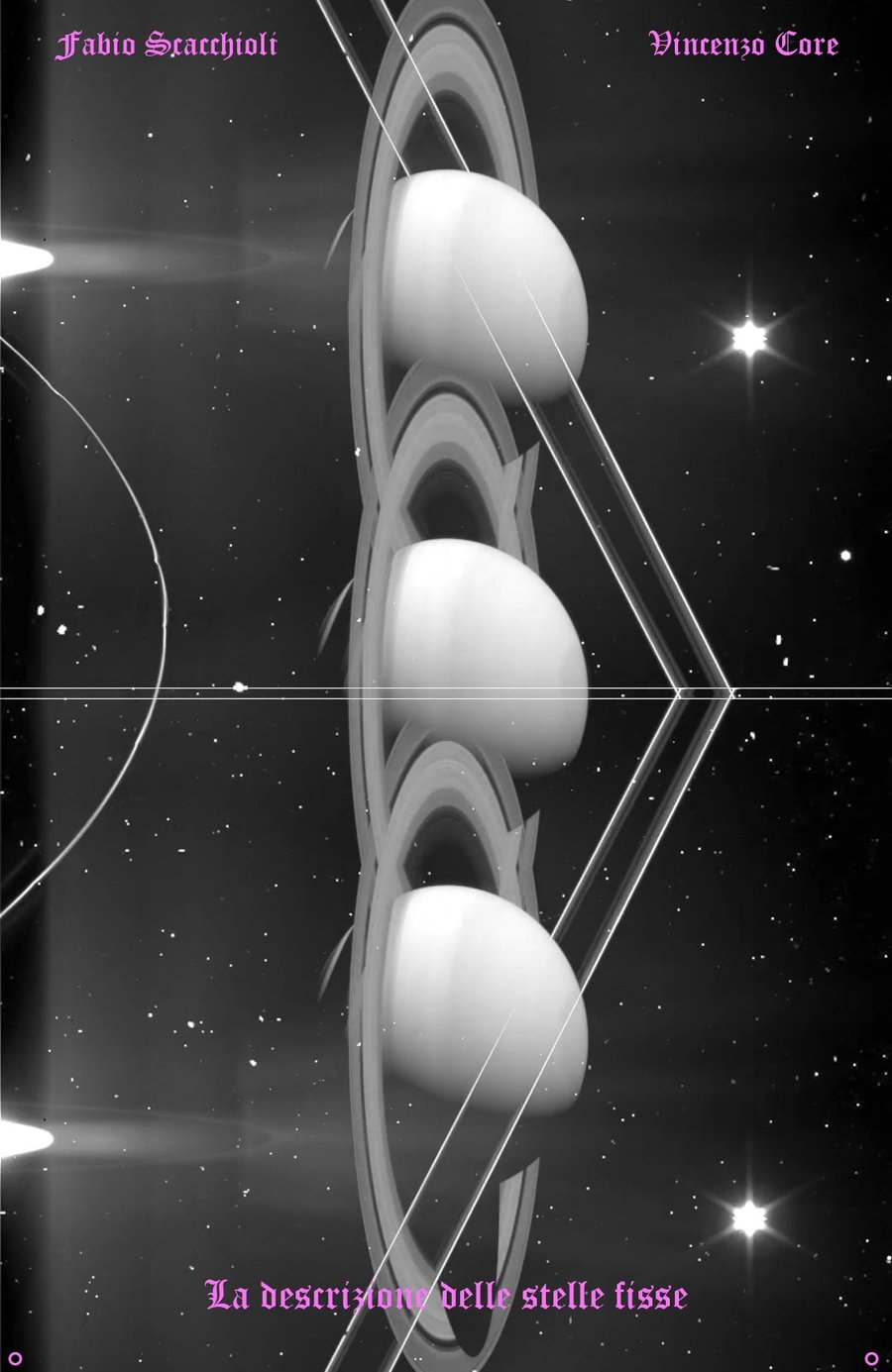
You can love something you've never seen and mourn someone who vanished without a trace — this night block rests precisely on such paradoxes of distance. Here, people long for a cherry blossom that never existed, reconstruct someone else's unfinished film from found footage, look closely at the body of a woman whose son disappeared during the war, and at archival footage that assembles into a portrait of human violence. Some works move entirely into allegory and staged gesture: a fabricated earthquake from old Hollywood cinema, an angel descending to free the earth from a dragon, a husband listening to his wife murmuring in her sleep and to an endless feed on his phone. Different in scale and language, these films are bound by a shared feeling: intimacy and loss are almost indistinguishable here, and the image keeps trying, again and again, to hold onto what has already slipped away — whether a person, an era, or an entire ecosystem.

De Memoria
88 min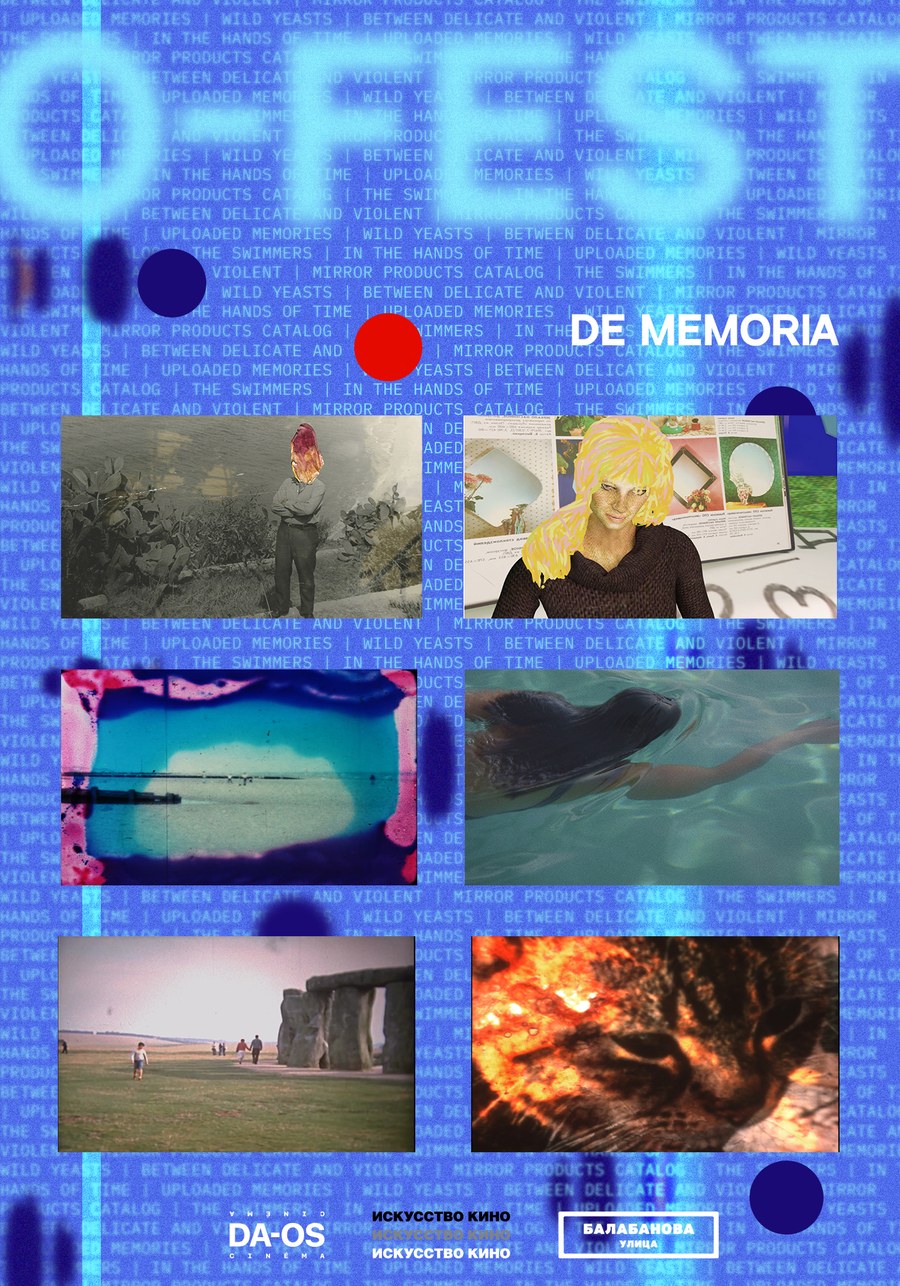
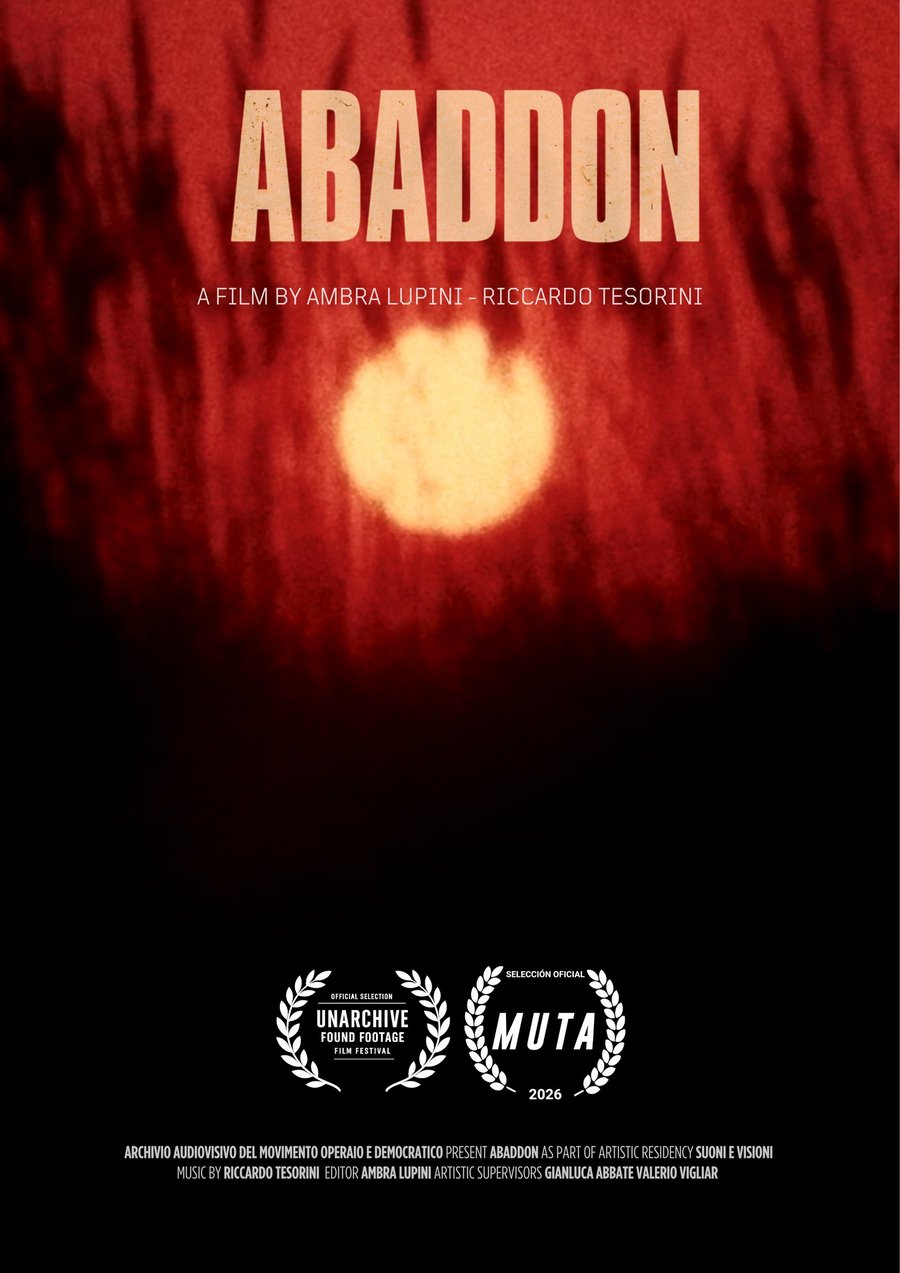
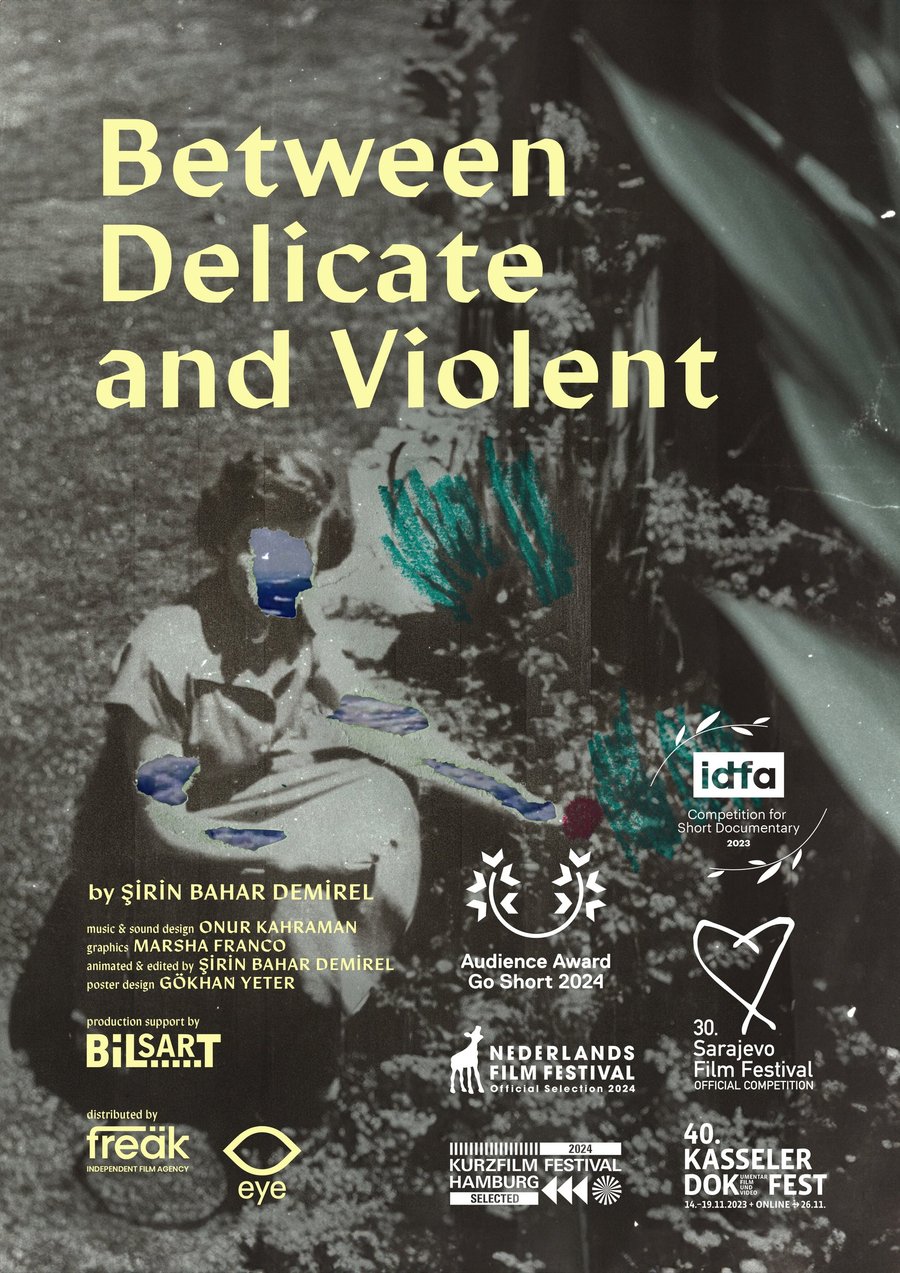
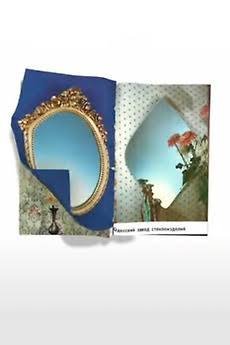
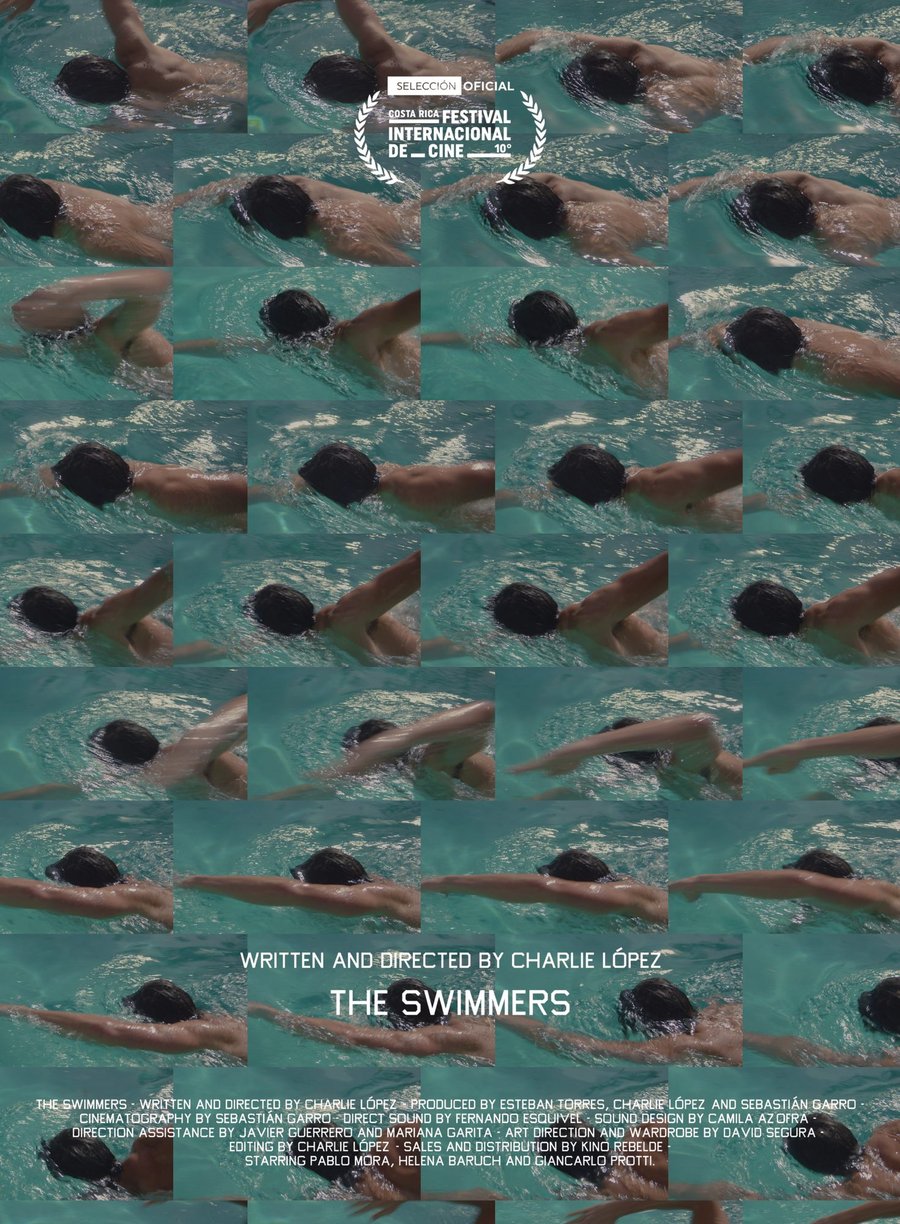
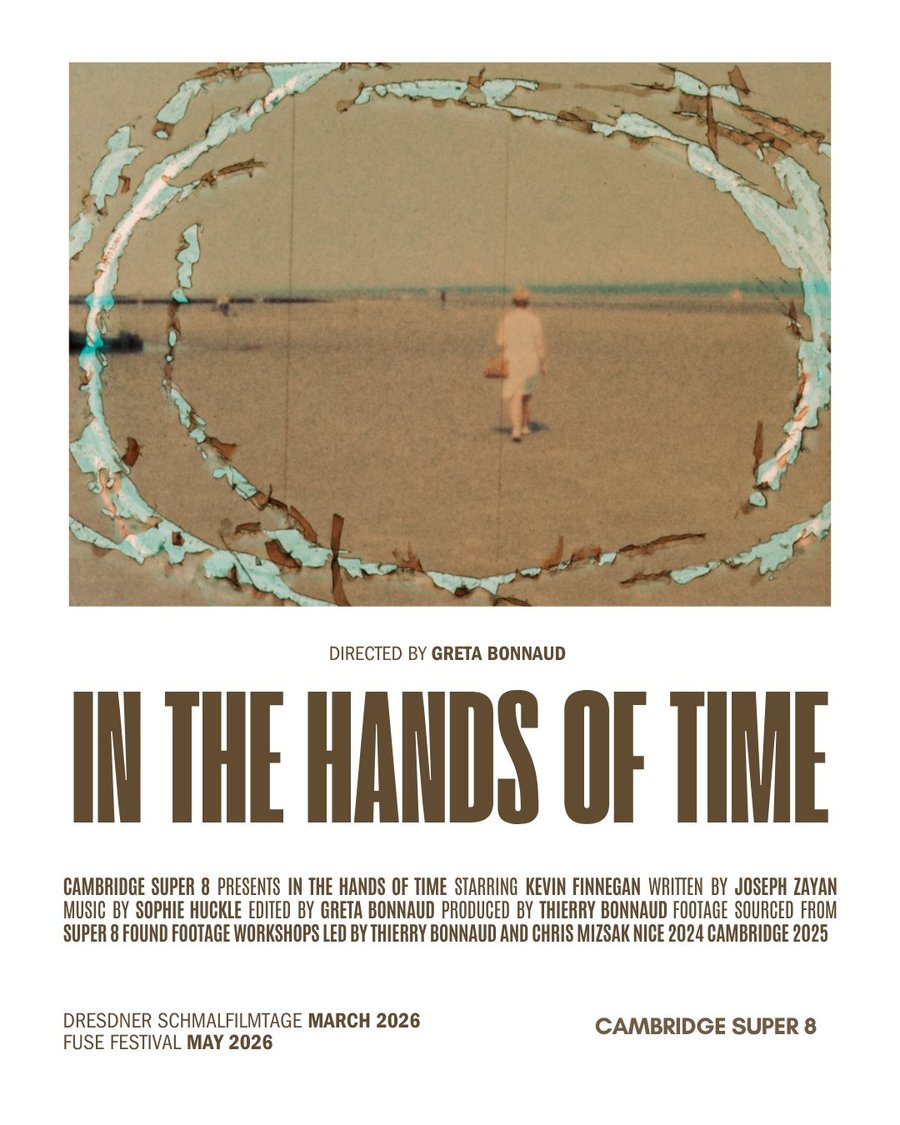
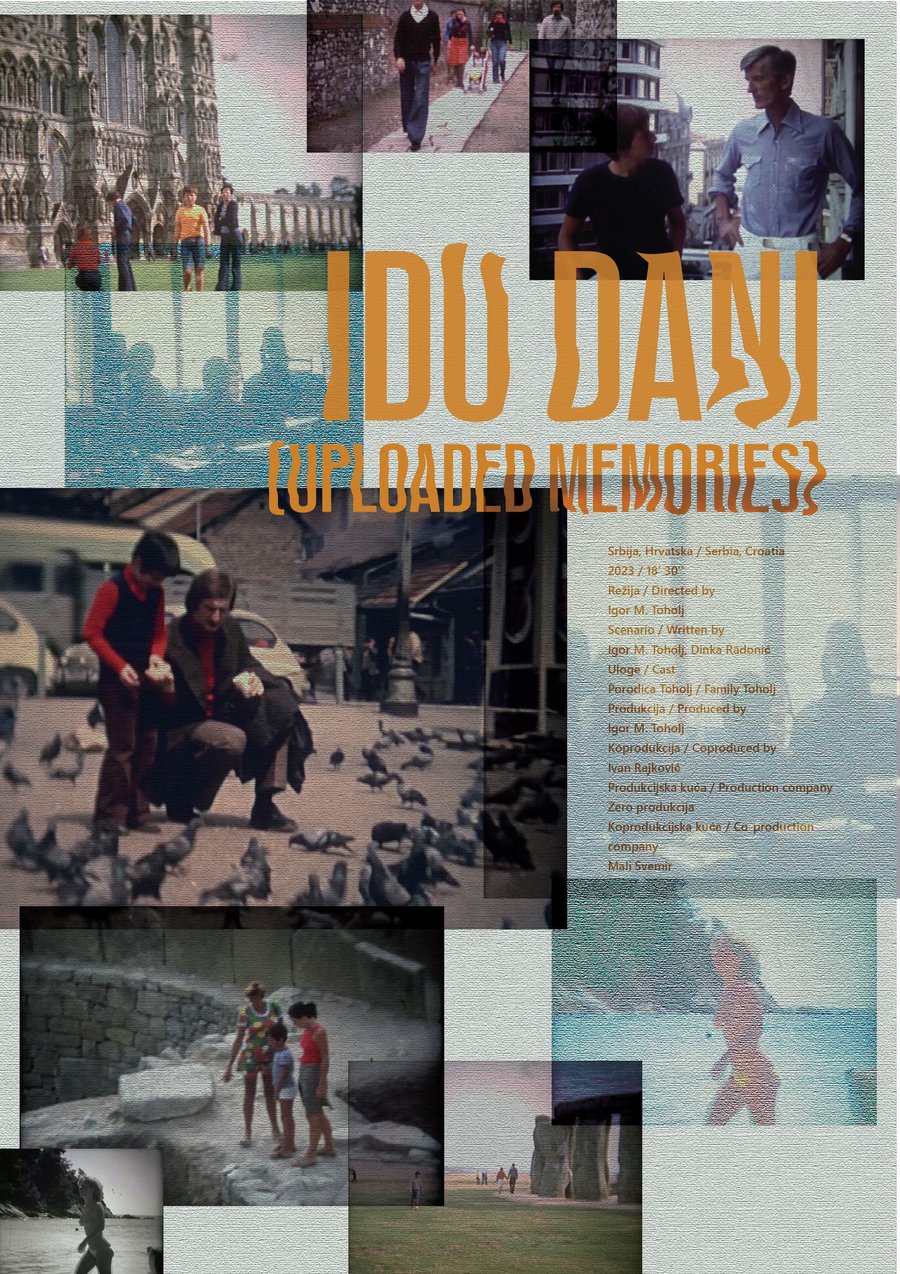
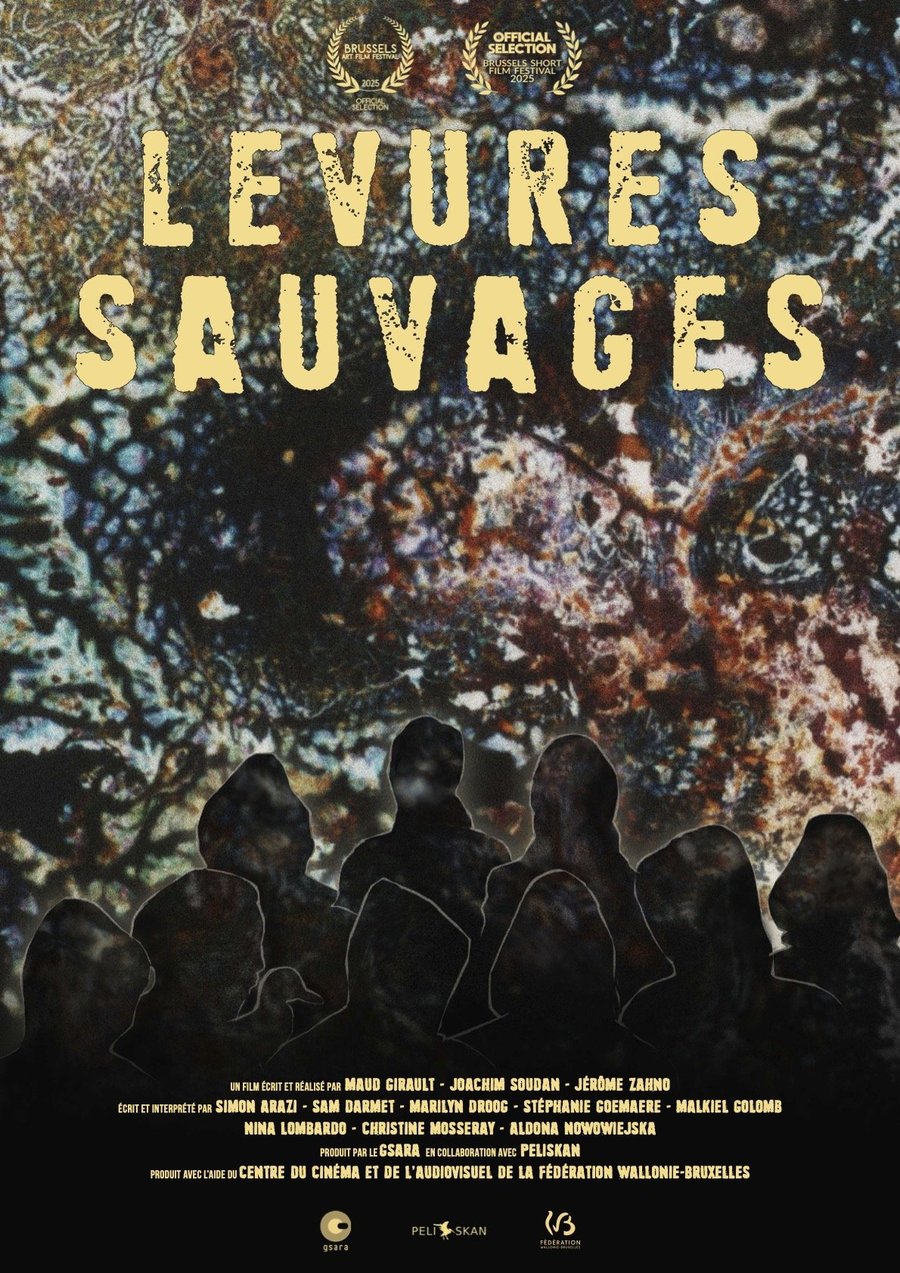
Hands, mirrors, cathode-ray tubes, swimming pools, damaged film, algorithmic editing — the "De Memoria" block sifts through the most varied media on which memory can take hold. In some films, a memory surfaces on its own, woken by old Super 8 footage or the recognisable interior of a Soviet House of Cinema; in others it has to be reconstructed almost by force — poring over the stitches of an embroidery, reading the biographies of nameless models out of a mirror catalogue, entrusting an algorithm to assemble a chronology from a digitised archive. Personal memory here regularly flows into the collective: domestic violence turns out to be part of a shared female experience, a swimming pool becomes a class symbol, nostalgia for the Soviet past becomes a subject of satire. What unites these films is not so much the theme of memory itself as an attention to its material carriers — body, film, object, code — and to the gap that always remains between what was lived through and what can be remembered or reconstructed from it.
Special Screenings
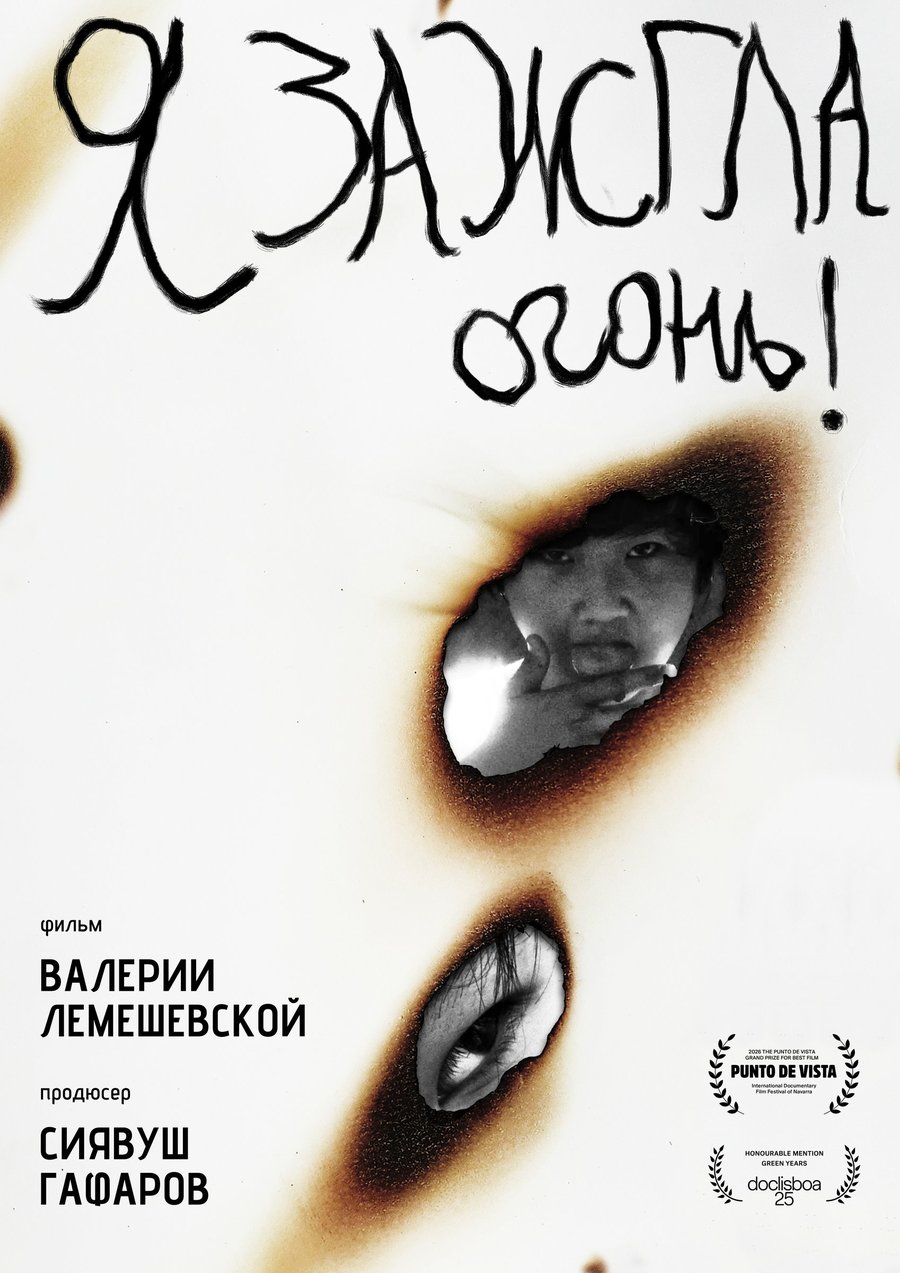
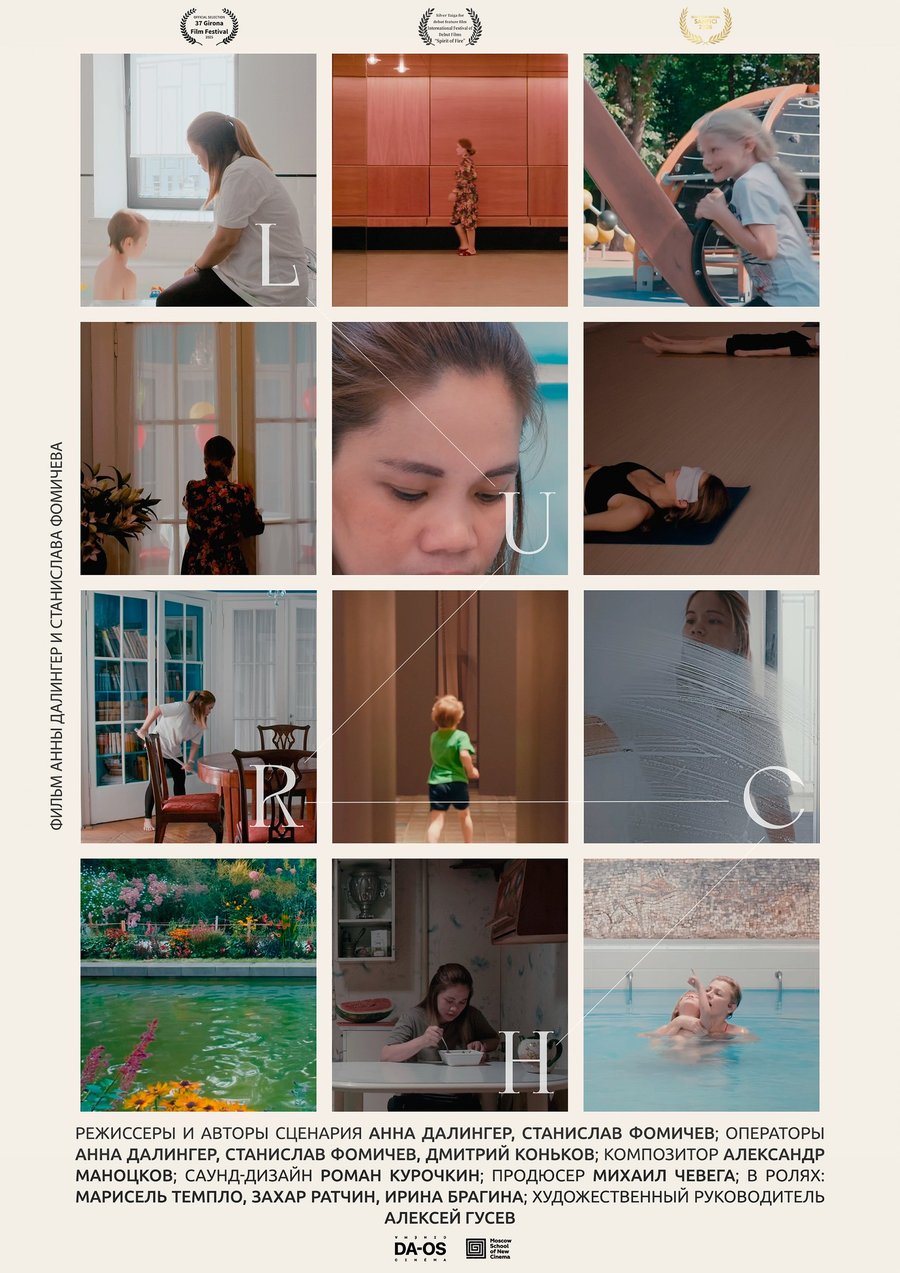
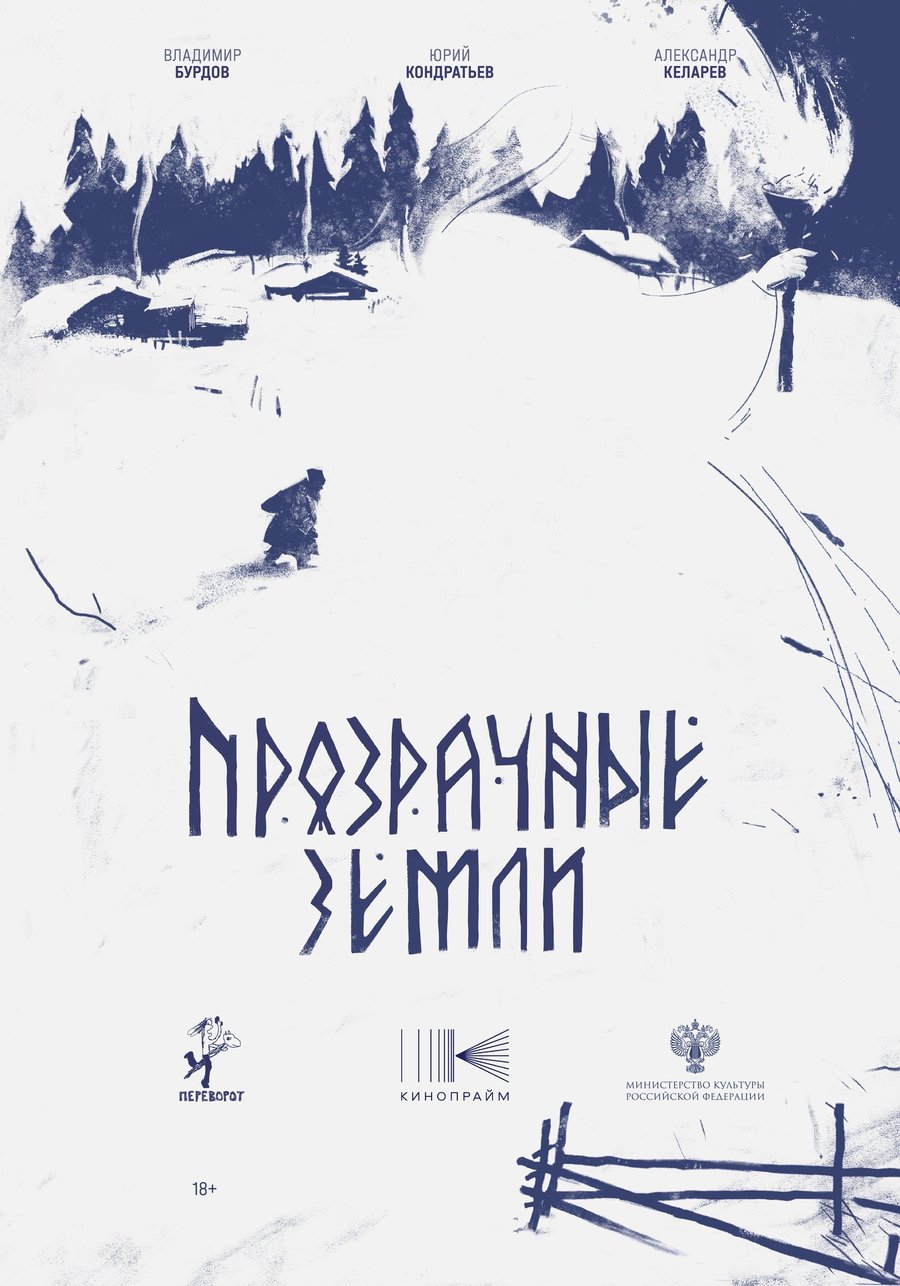
Three feature-length films shown apart from the shorts competition — a mystical tableau by Dmitry Davydov from the Mayak festival, a festival-circuit favourite among international documentary festivals by Valeria Lemeshevskaya, and the first public screening of the directorial debut by the festival’s own founders, Anna Dalinger and Stanislav Tikhonravov.
Curated Programmes
Programmes assembled entirely by a guest curator from their own collection of works. "How To Express It" was put together by Mikhail Zheleznikov, programme director of the Message to Man festival; the Nobuhiko Obayashi retrospective by Alina Roslyakova.
How To Express It — Mikhail Zheleznikov’s Curated Programme
76 min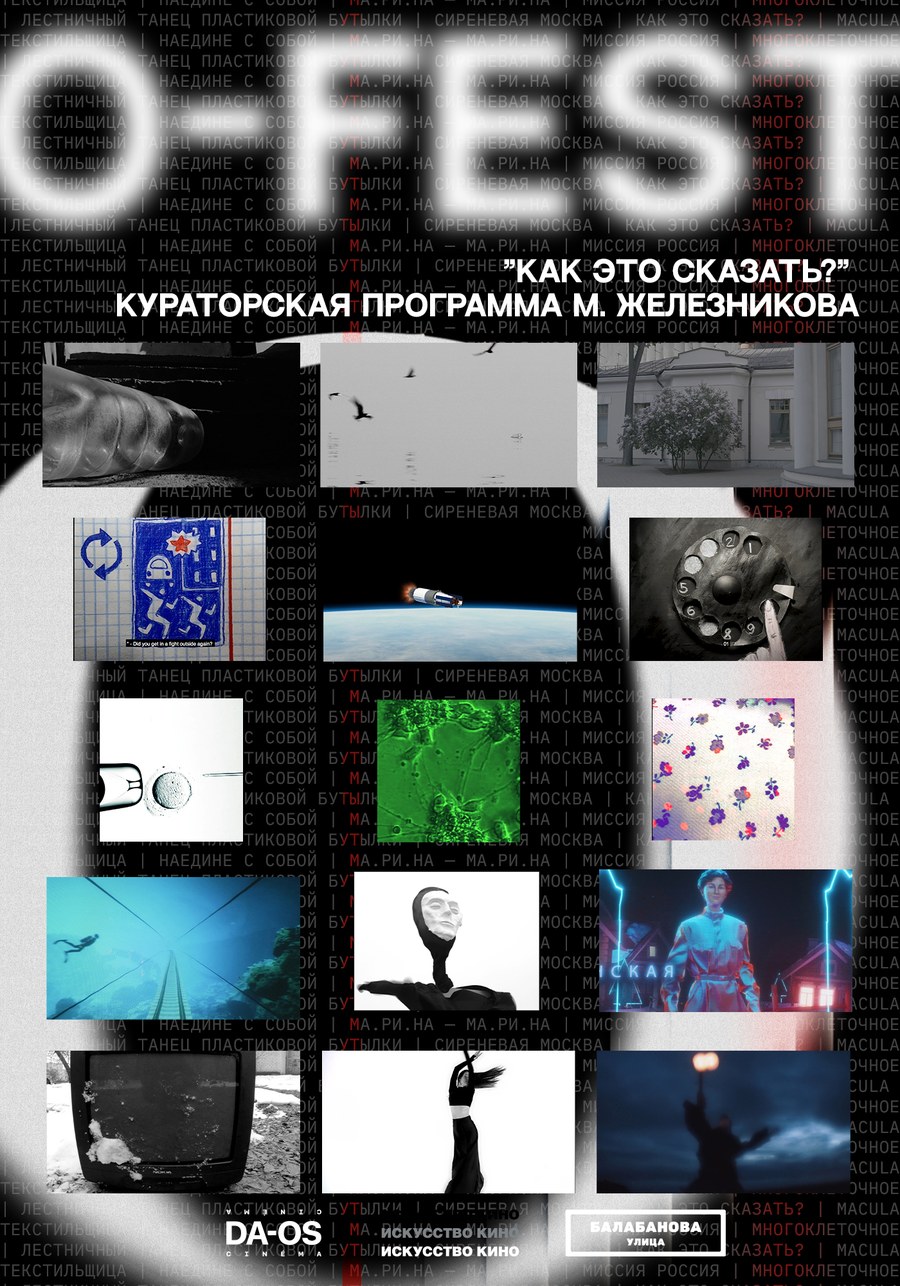
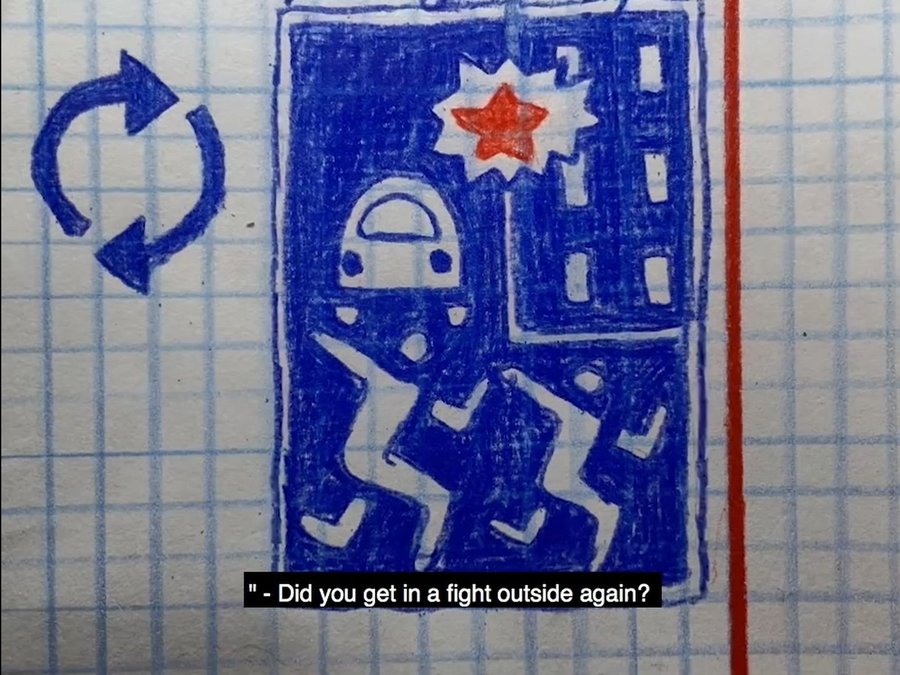
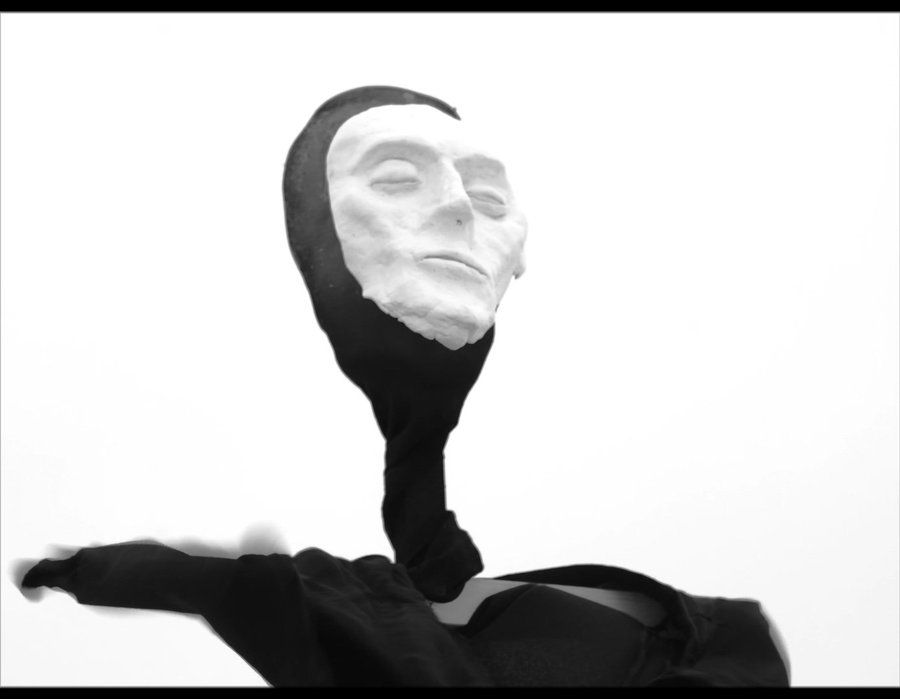
"How To Express It" is a special curated session that Mikhail Zheleznikov put together for O-FEST from ten films he loves, eight of which have never been shown in Moscow before. The programme wasn't assembled around a theme but by instinct — and yet, between works so different in language and scale, a sense of kinship emerges, as if these films had simply ended up next to one another, like fellow travellers sharing a compartment. Here, an almost mischievous experiment with a plastic bottle sits alongside a documentary essay about growing up in a closed society, an abstract painting in colour and city alongside a personal video diary assembled from a father's old footage, a parable about the evolution of a cell alongside a naive fairy tale about a child in an adult's body. What unites them is tone rather than plot: an attentive, slightly detached, and often ironic gaze at how perception, memory, and identity are constructed.
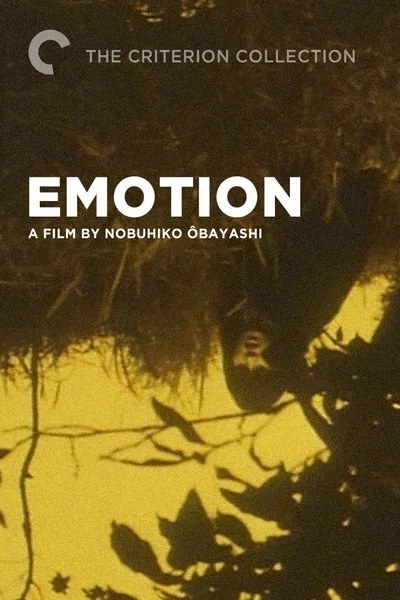
Nobuhiko Obayashi Retrospective
90 min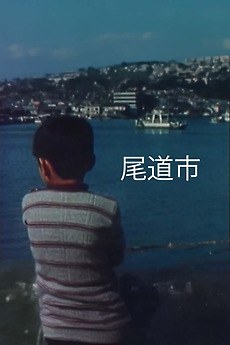
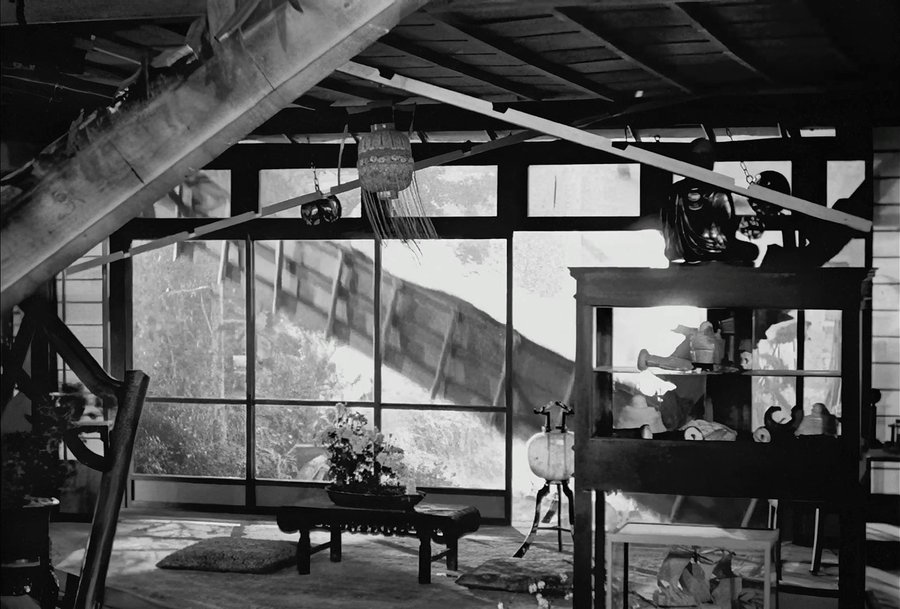
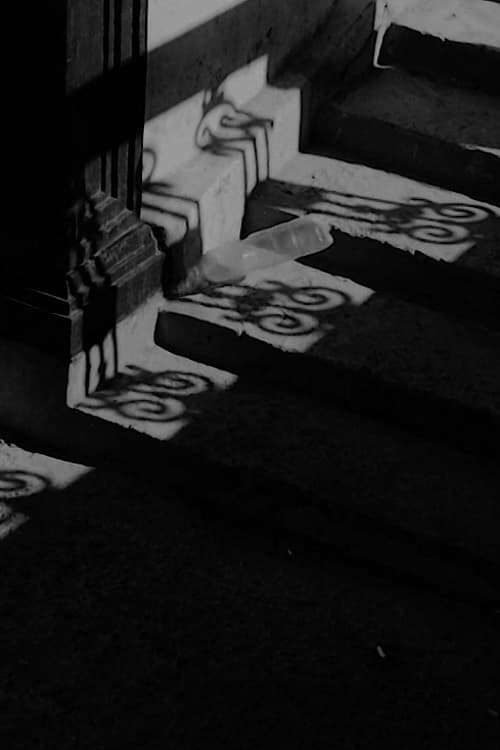
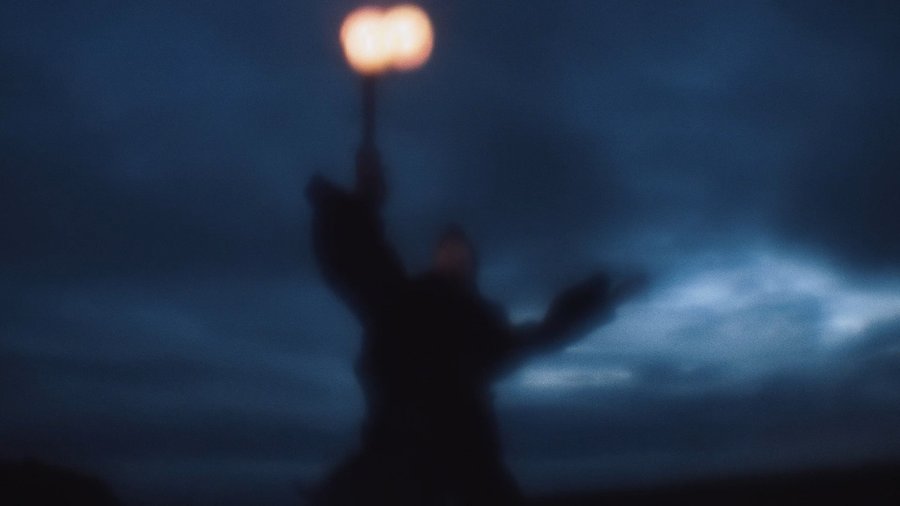
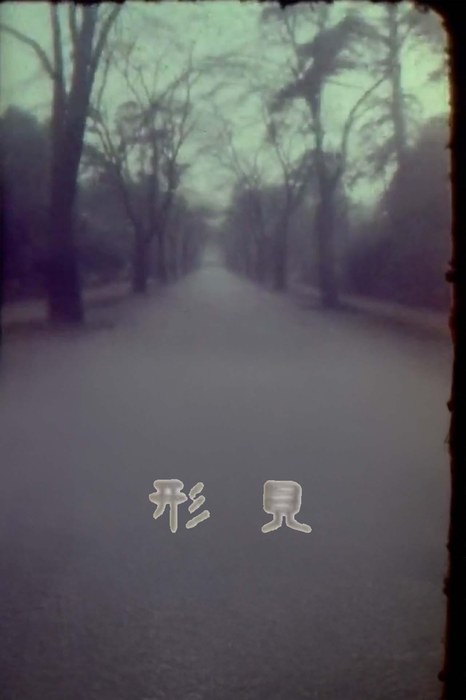
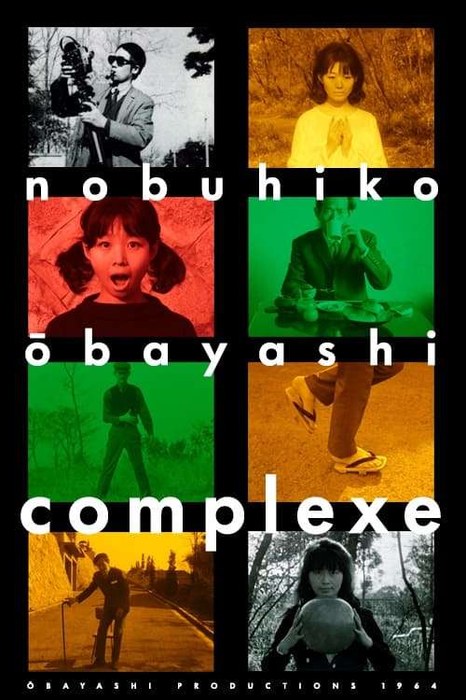
In this program, Alina Roslykova turns to Nobuhiko Obayashi — the director who revolutionized the Japanese film industry by breaking down the boundary between experimental and mainstream cinema. Before earning the reputation of the "Kurosawa of commercials" and turning studio production on its head with his feature debut, the teen horror film House, Obayashi spent several years working at the very heart of the Japanese underground. His early films offer a unique testimony to the sparks flying through Japan's 1960s, and to the emergence of the artistic method of one of the country's most singular directors — a troublemaker and a "wizard of visual effects."
Partner Programmes
A programme brought to the festival by a partner institution — Dan Smith's Moscow International Video Art Exhibition.
MIVAE Exhibition
53 min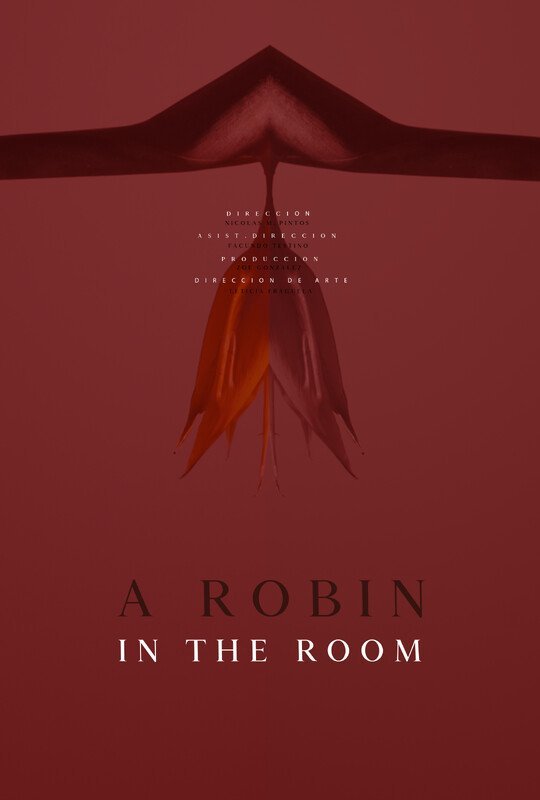
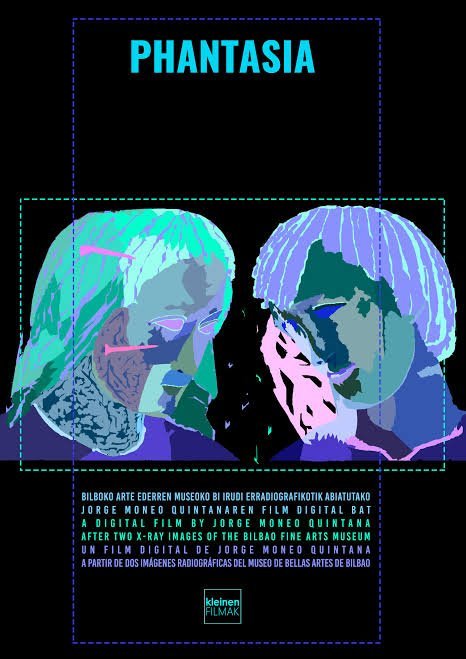
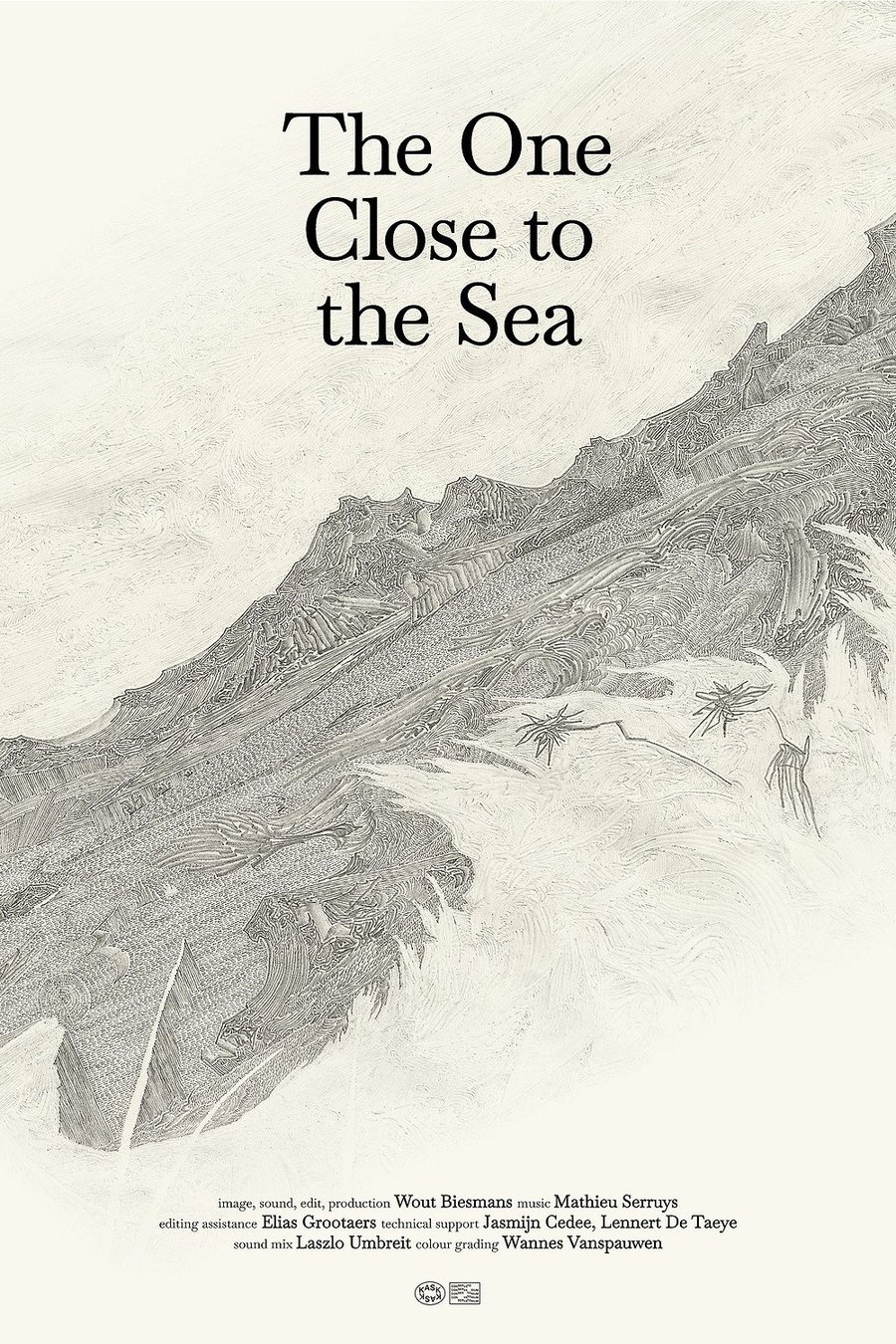
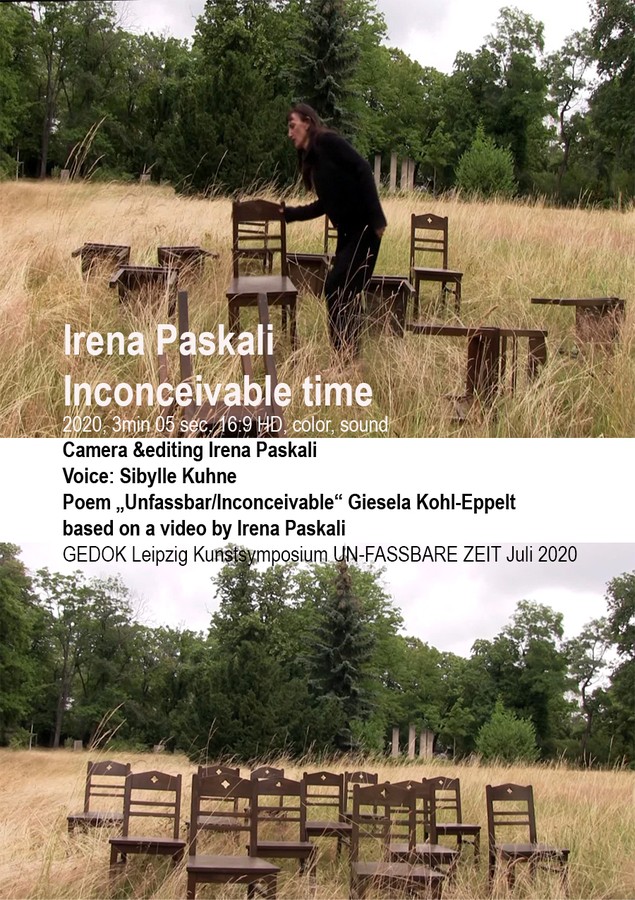
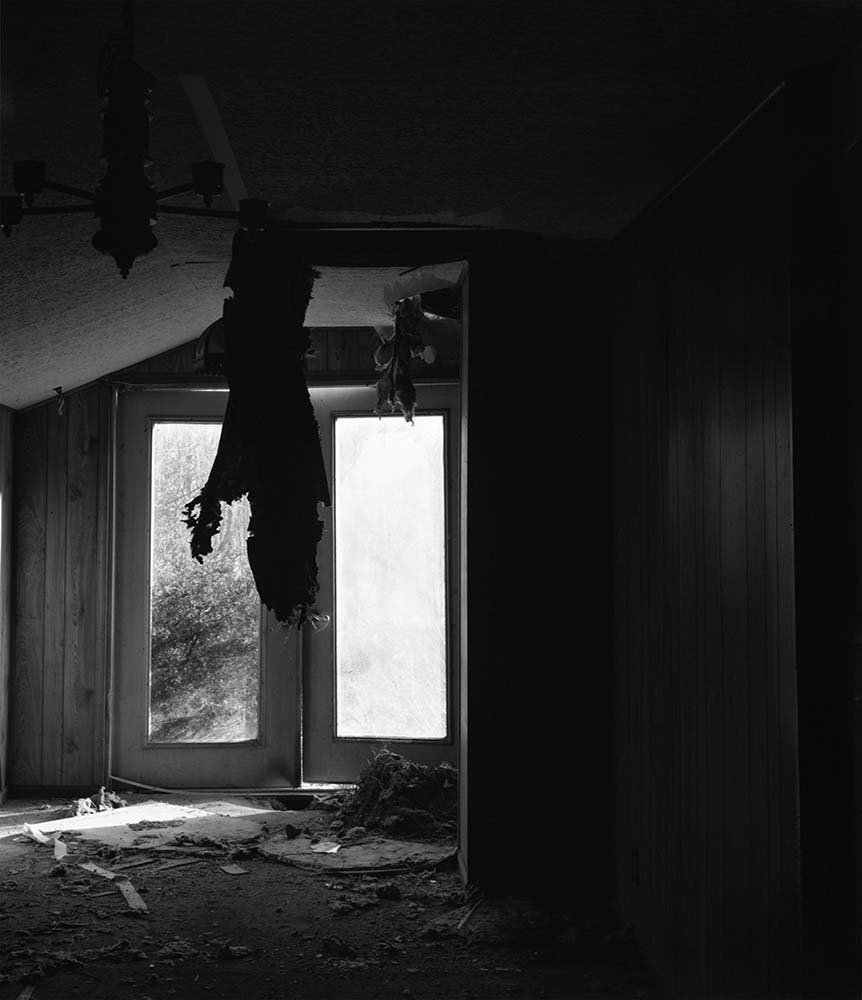
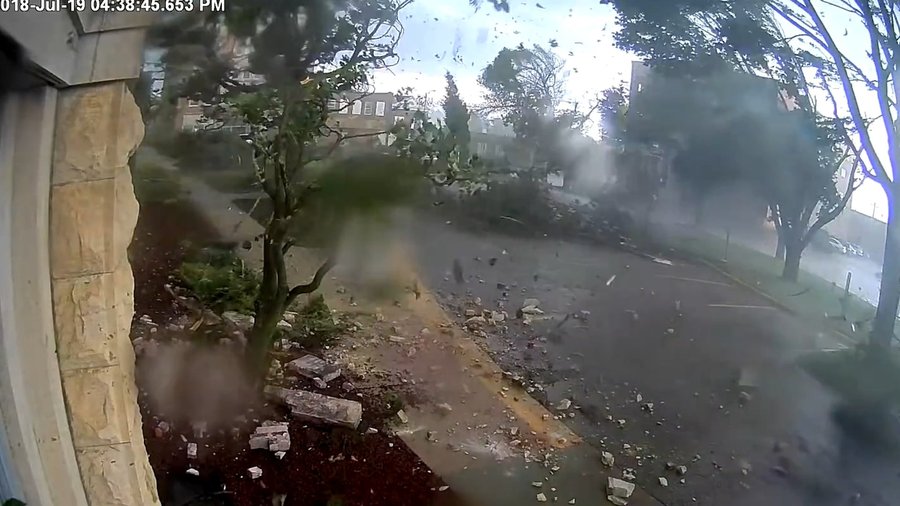
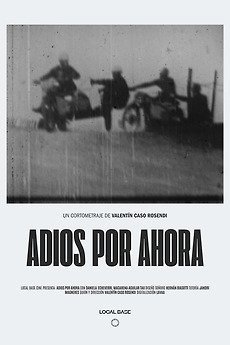
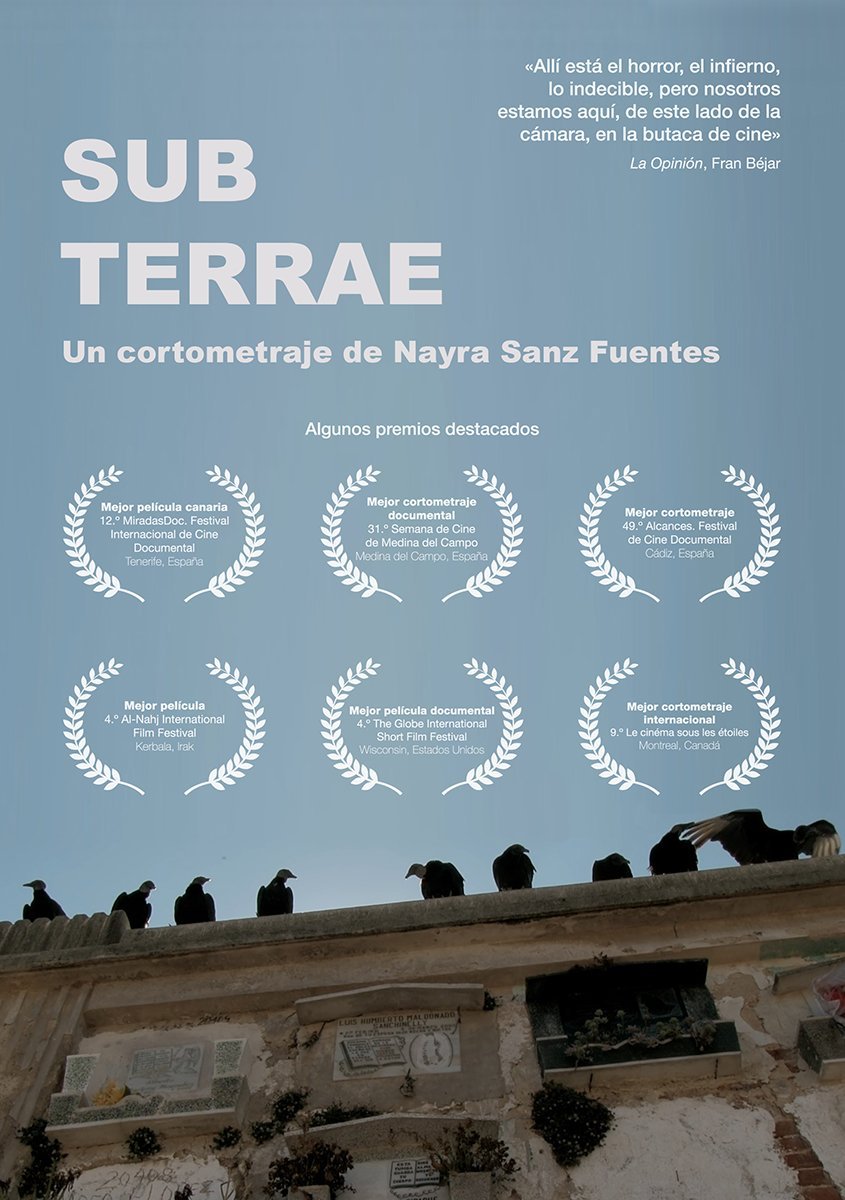
A curated programme in partnership with the Moscow International Video Art Exhibition and its founder Dan Smith brings together films from the festival's 2024 and 2025 editions. Across these formally diverse works, the moving image becomes a way of looking anew at familiar materials and states — personal memory, archive, the body, urban space, nature, and everyday life. The artists work with found footage and personal archives, X-rays and surveillance cameras, merging the documentary and the imagined, turning a chance image into an independent statement, and searching for new ways to speak about human experience.
Video Art Programme
A dedicated out-of-competition block devoted to video art as a territory where cinema stops telling stories and becomes a pure experiment with image, sound, and the matter of the screen.
Video Art Programme #1
79 min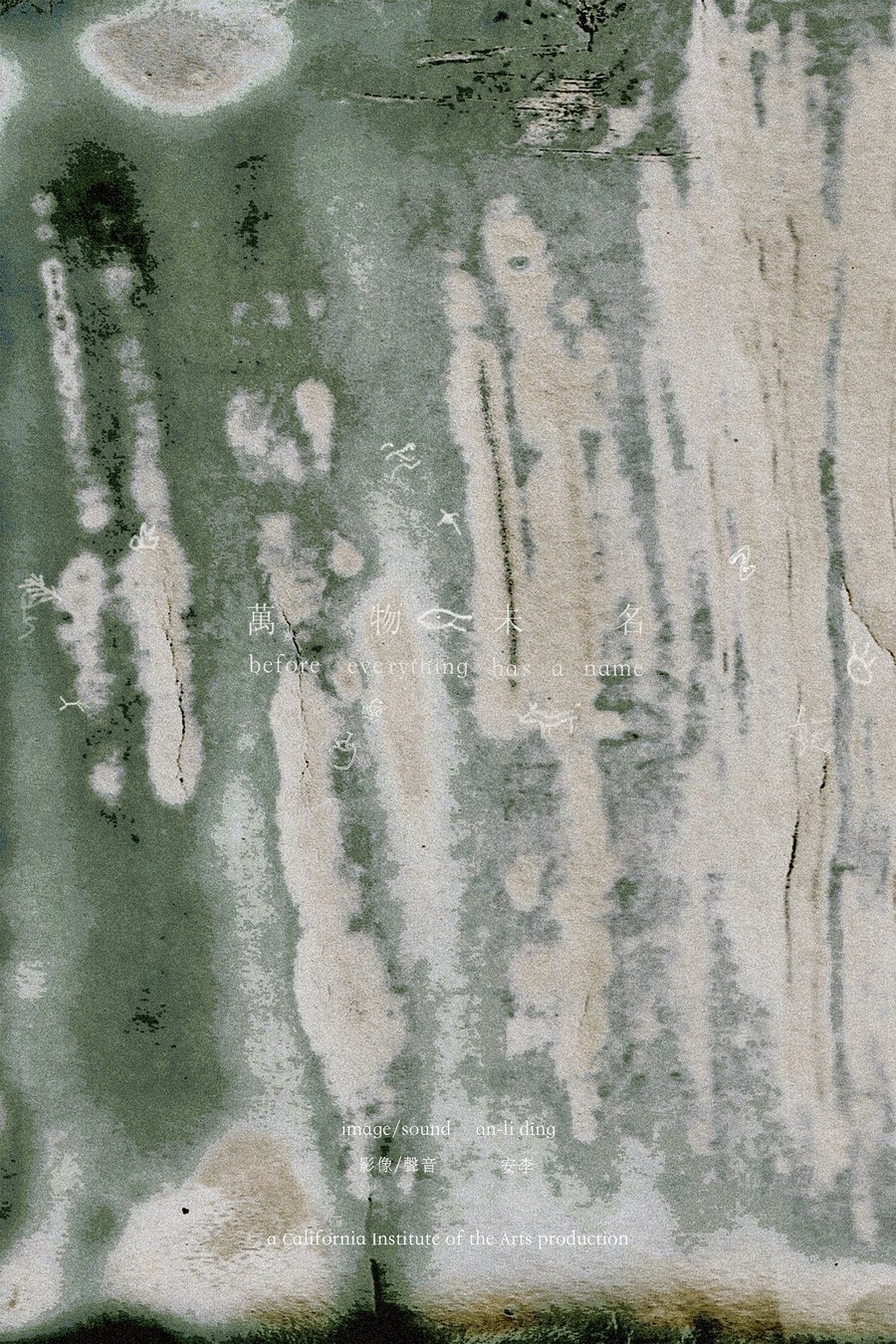
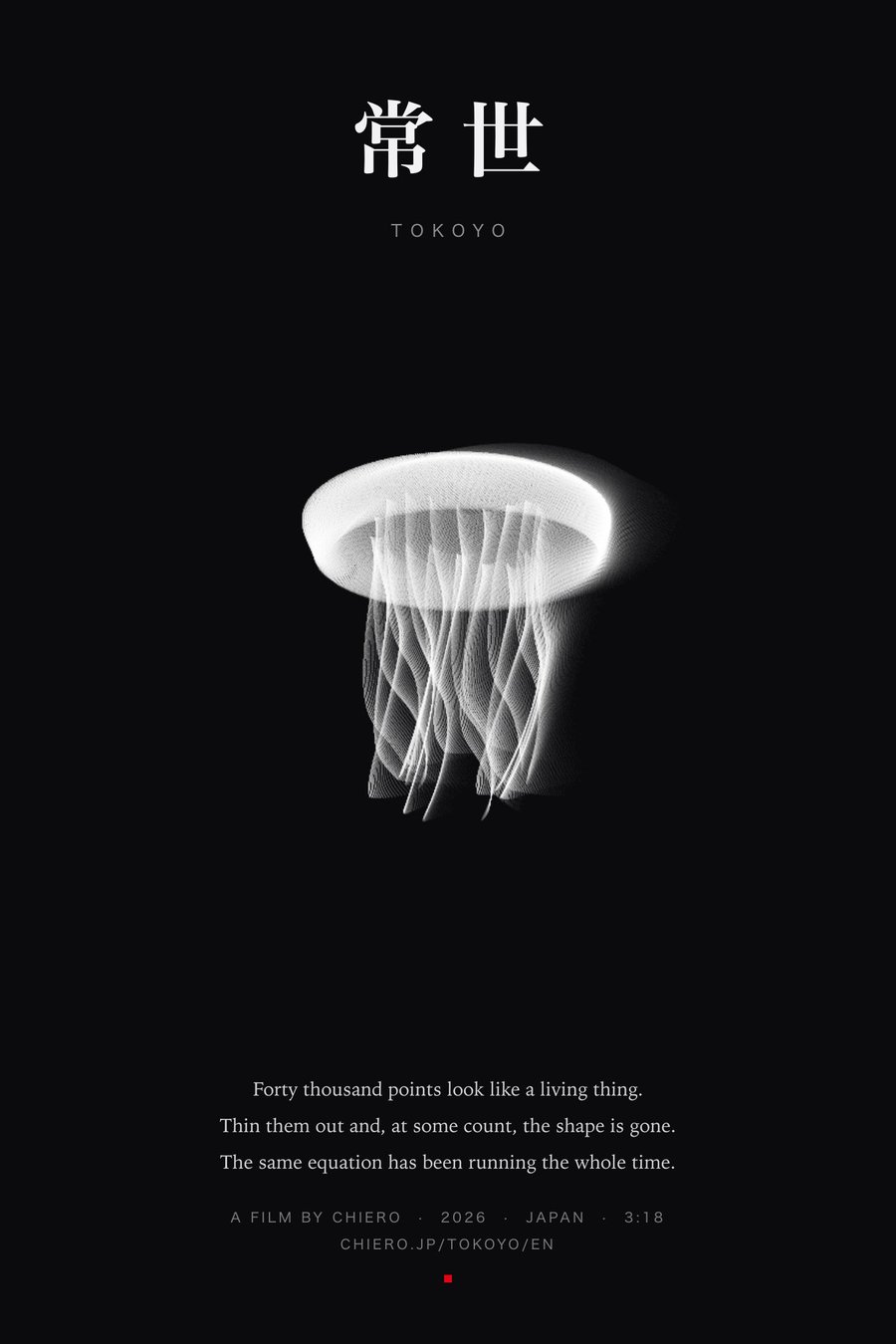
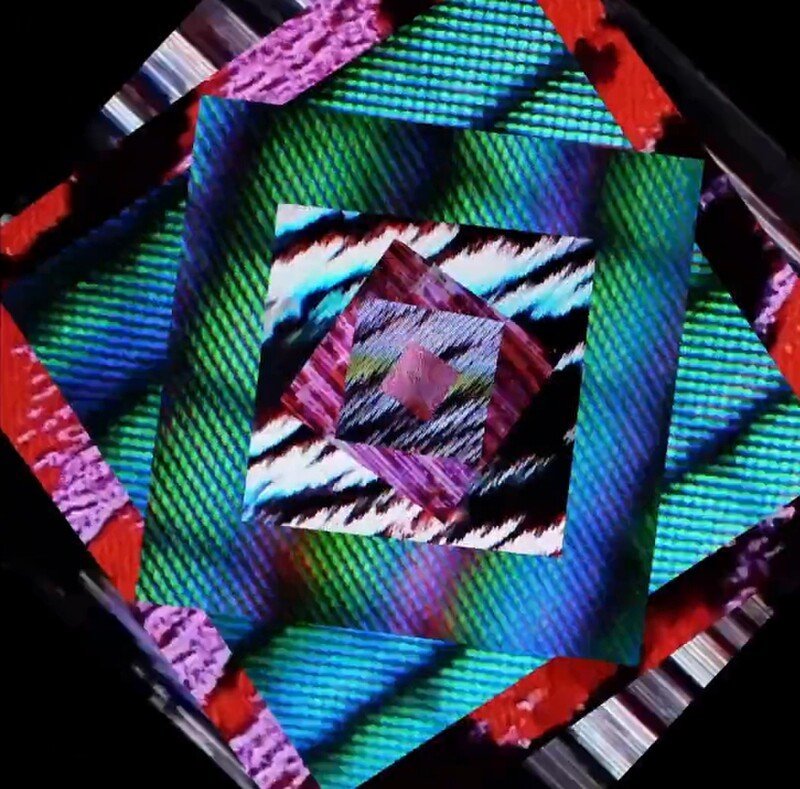
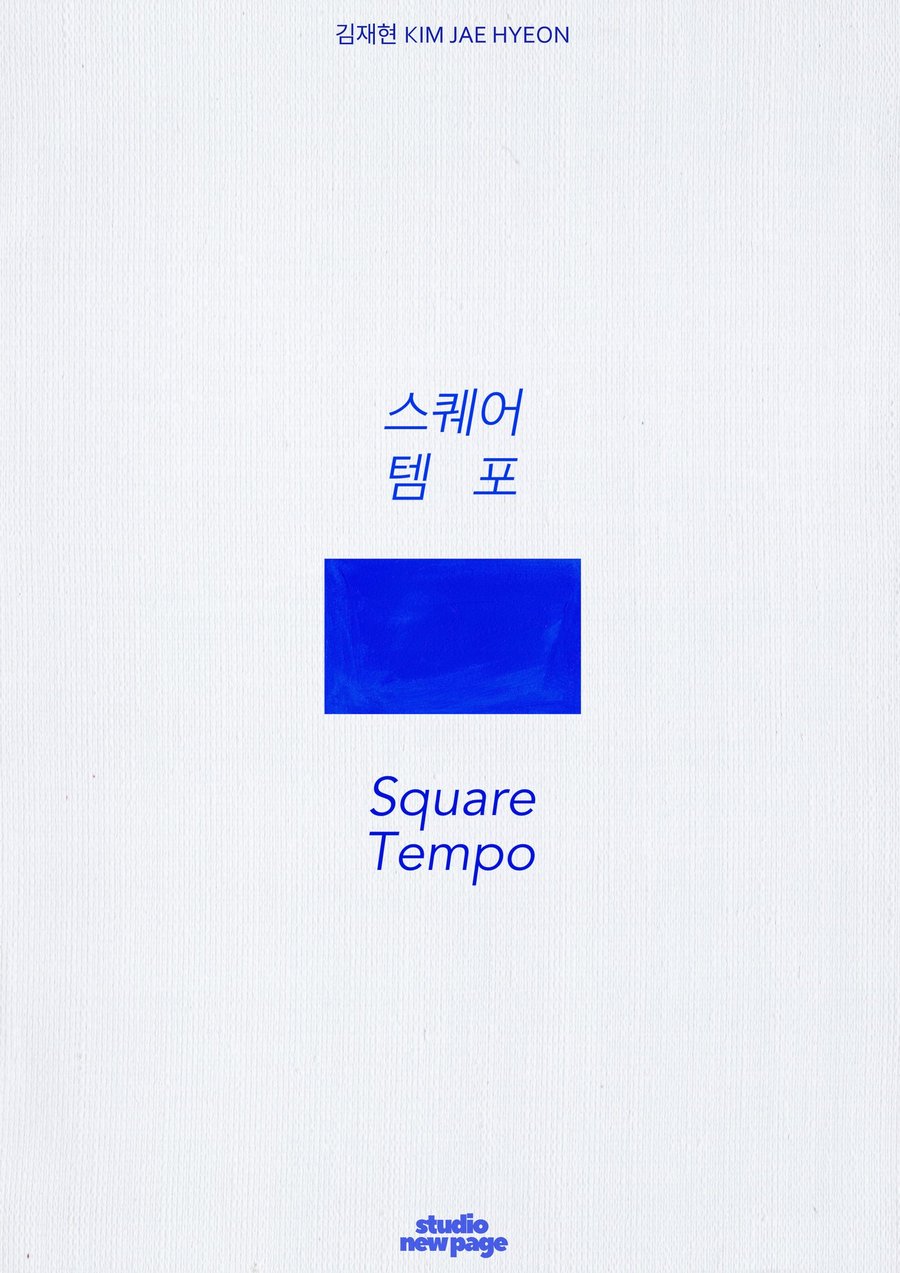
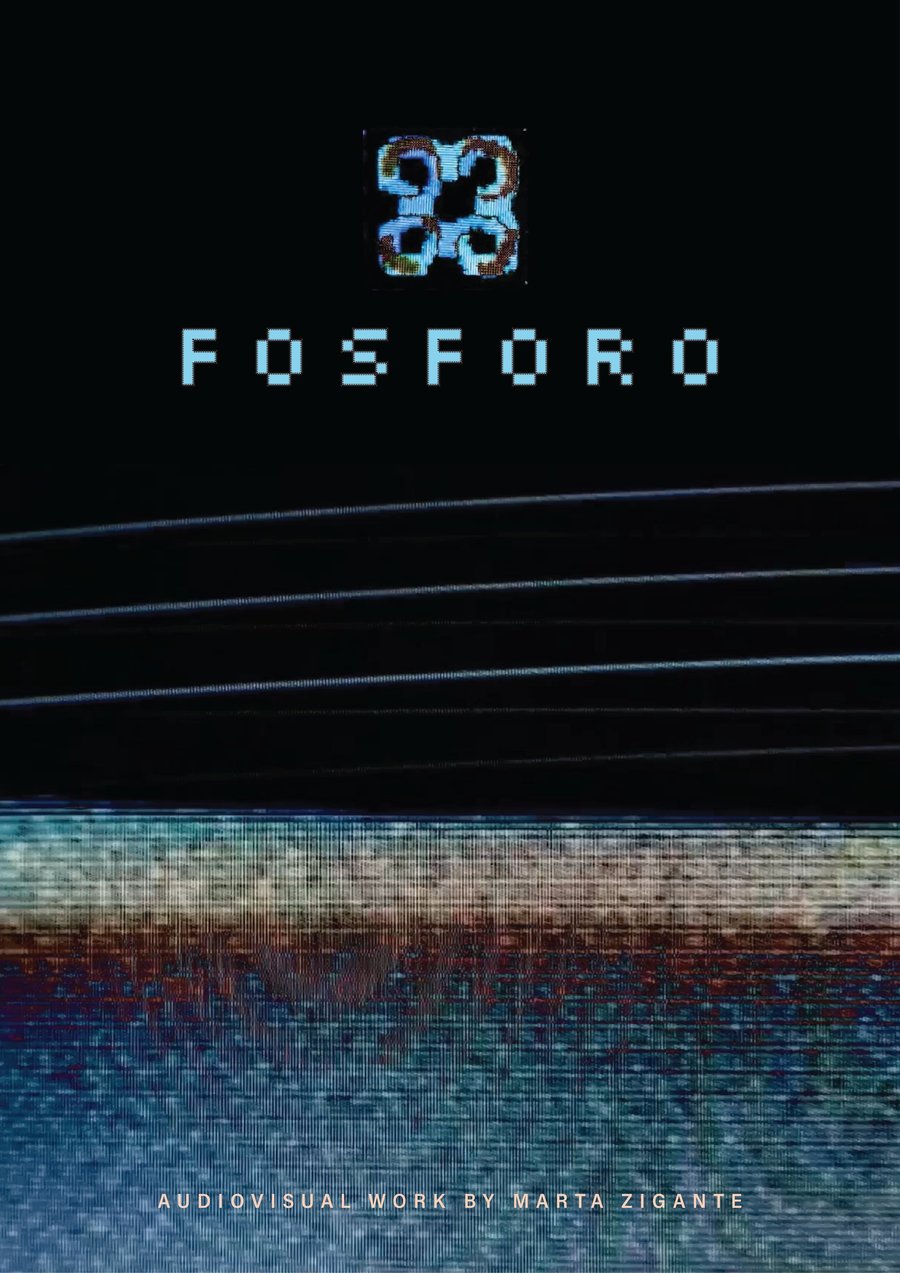
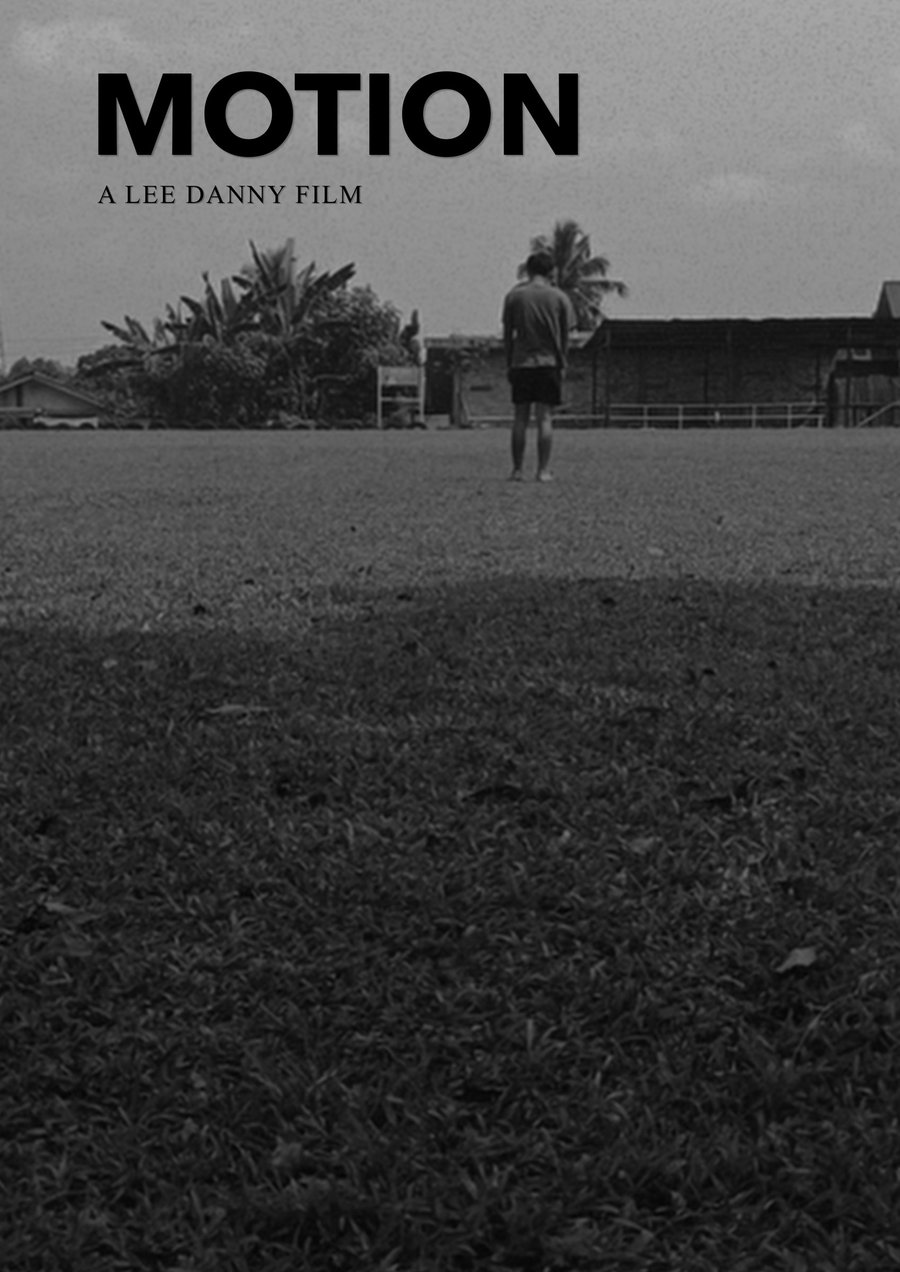
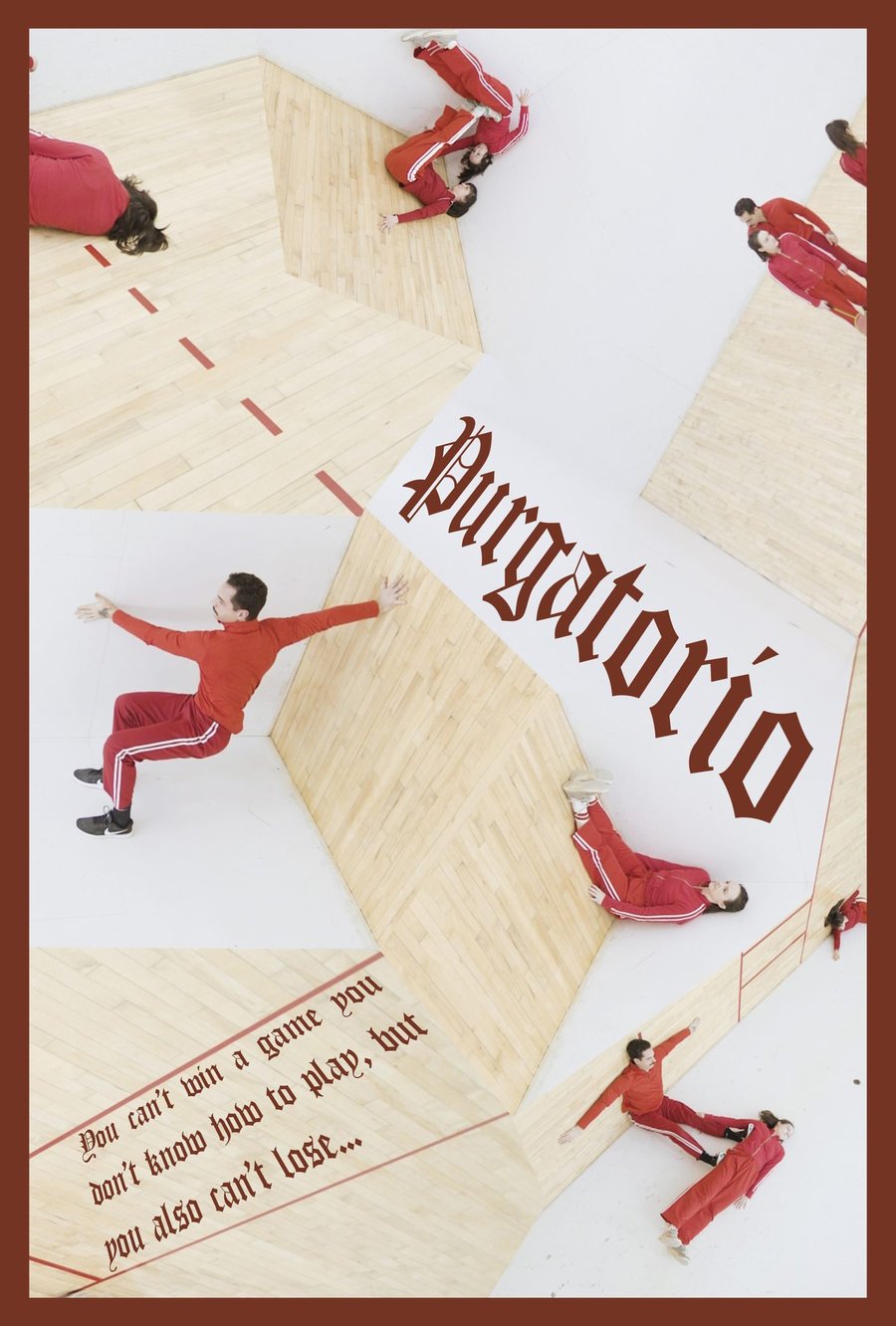
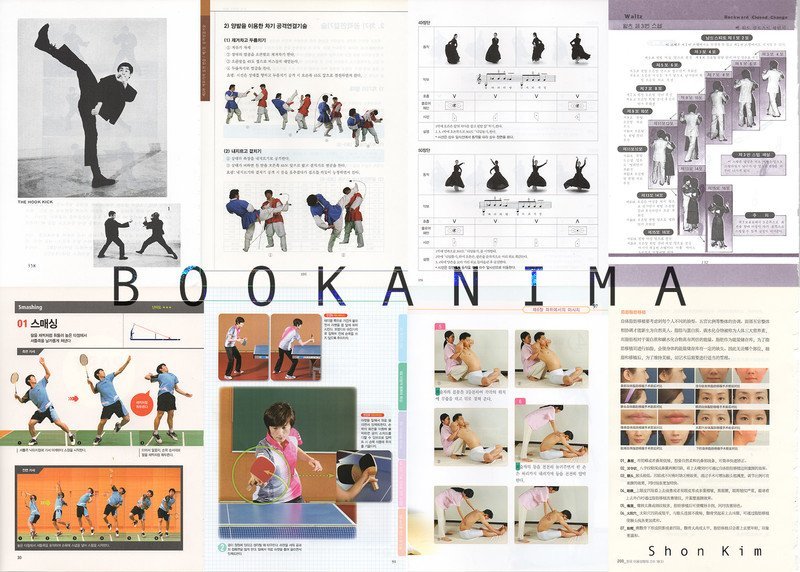
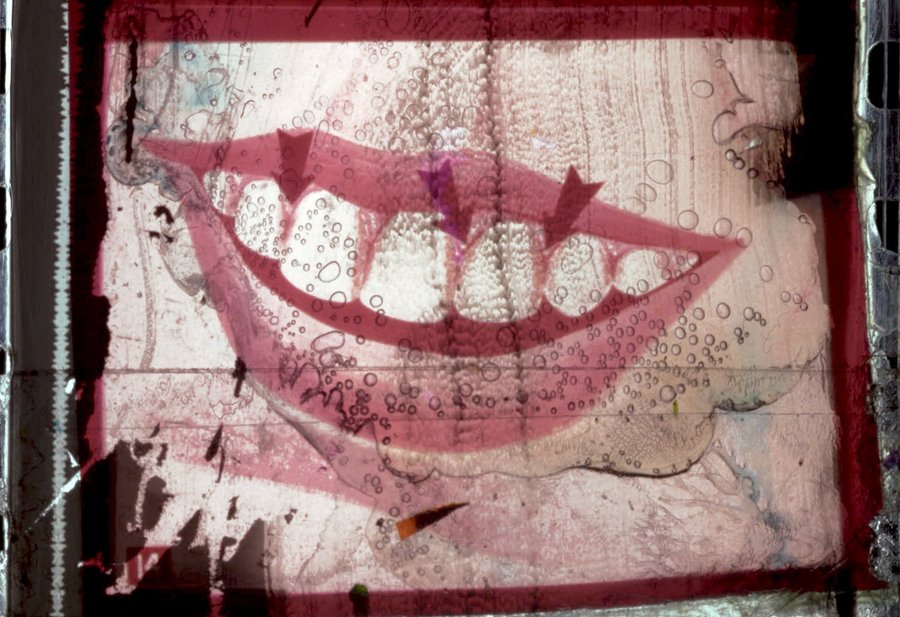
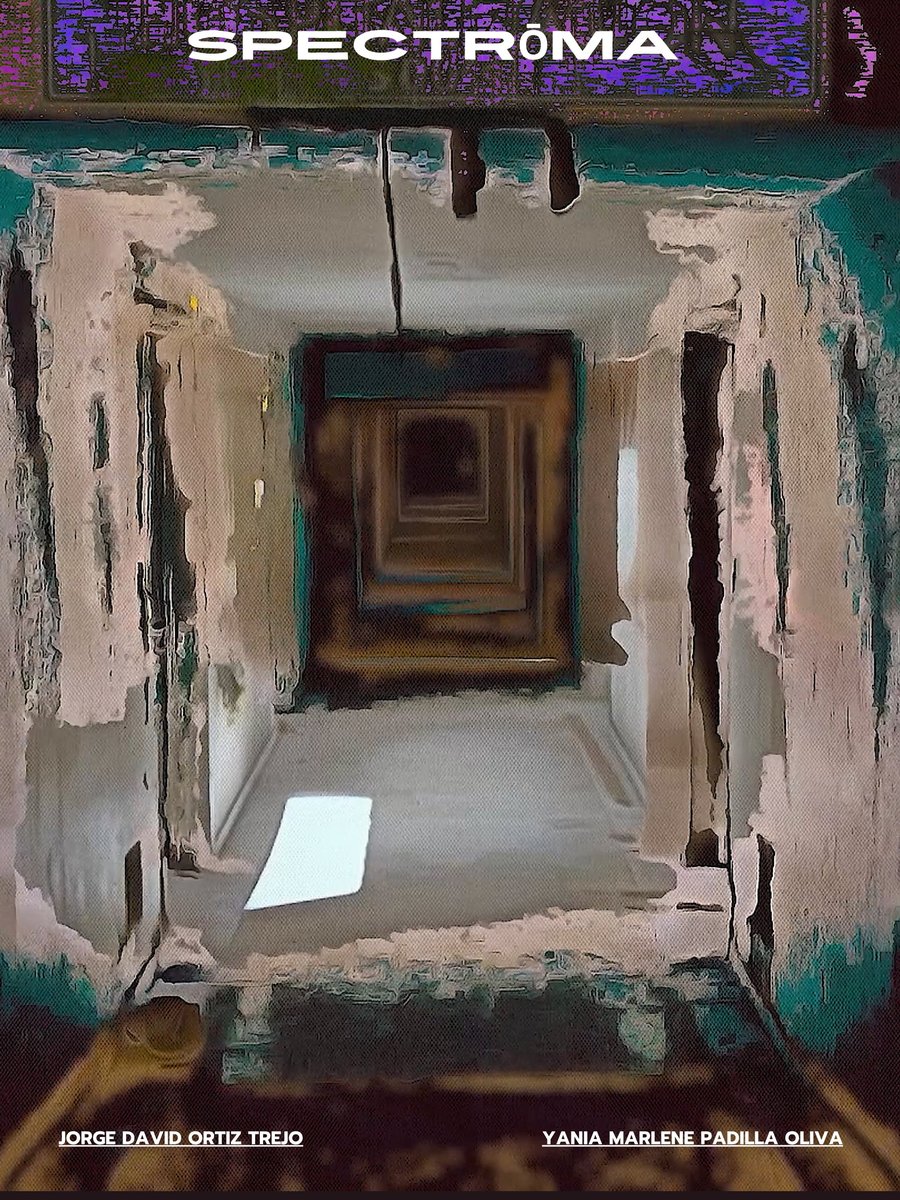
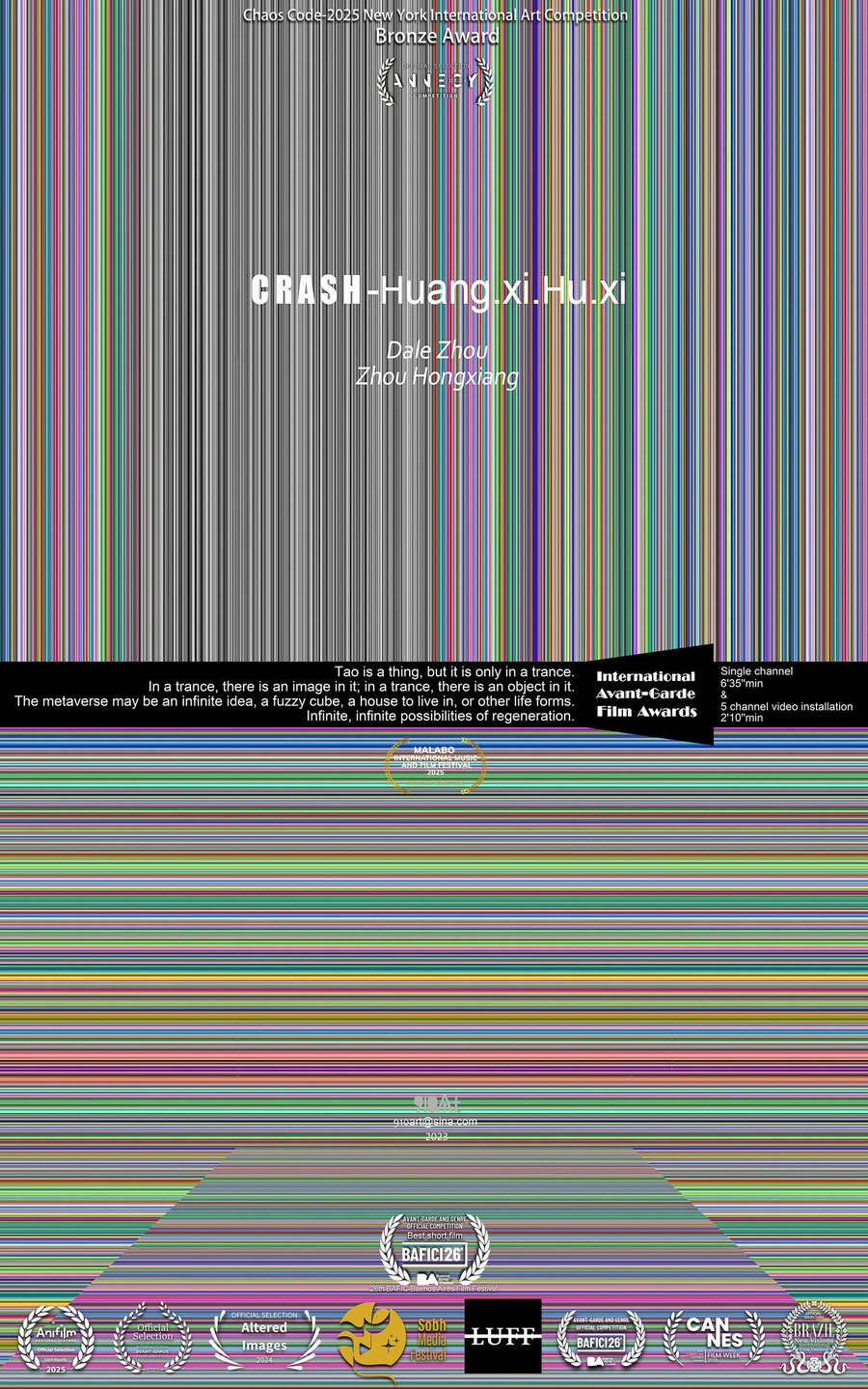
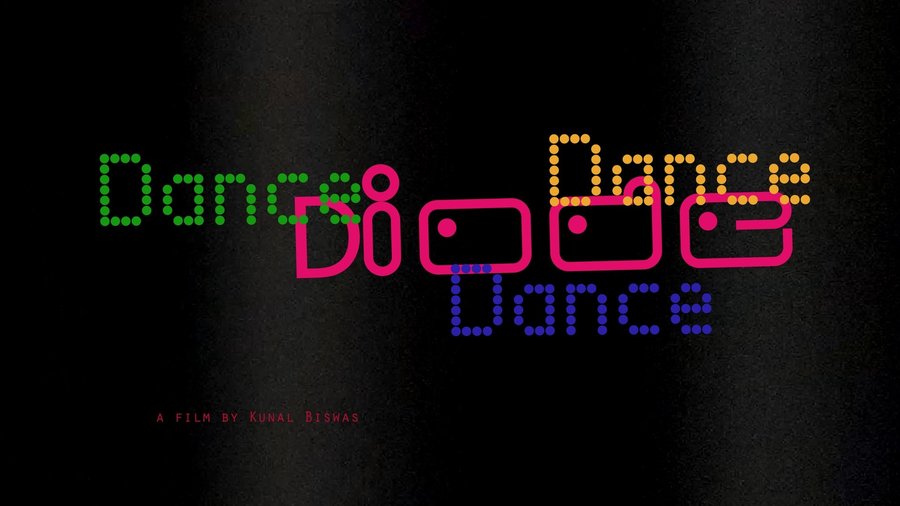
This out-of-competition block of the festival programme is devoted to video art — a territory where cinema stops telling stories and becomes a pure experiment with image, sound, and the very matter of the screen. The programme is presented in two parts but shares a common field of interest: here, film is hand-processed for years to erase the boundary between the micro- and macro-world, archival footage of struggle is slowed down to the point of tenderness, and squares and dots assemble into creatures that live entirely within mathematical equations. The artists in this block work at the intersection of technology and body, code and improvisation, abstraction and document — optical feedback loops between camera and television screen sit alongside ceramics returning to a state of clay, and fragmented, multilingual texts alongside a film where narrative dissolves entirely into pure rhythm or the light of an LED lamp. Ranging from independent artists to established multimedia figures, these works are united by one thing: an interest in the very matter of the moving image, and in the forms of perception that emerge when cinema abandons its familiar narrative language.
Video Art Programme #2
63 min
This out-of-competition block of the festival programme is devoted to video art — a territory where cinema stops telling stories and becomes a pure experiment with image, sound, and the very matter of the screen. The programme is presented in two parts but shares a common field of interest: here, film is hand-processed for years to erase the boundary between the micro- and macro-world, archival footage of struggle is slowed down to the point of tenderness, and squares and dots assemble into creatures that live entirely within mathematical equations. The artists in this block work at the intersection of technology and body, code and improvisation, abstraction and document — optical feedback loops between camera and television screen sit alongside ceramics returning to a state of clay, and fragmented, multilingual texts alongside a film where narrative dissolves entirely into pure rhythm or the light of an LED lamp. Ranging from independent artists to established multimedia figures, these works are united by one thing: an interest in the very matter of the moving image, and in the forms of perception that emerge when cinema abandons its familiar narrative language.